






The Long-Awaited Title Emerges: The Elder Scrolls 6: Sentinel
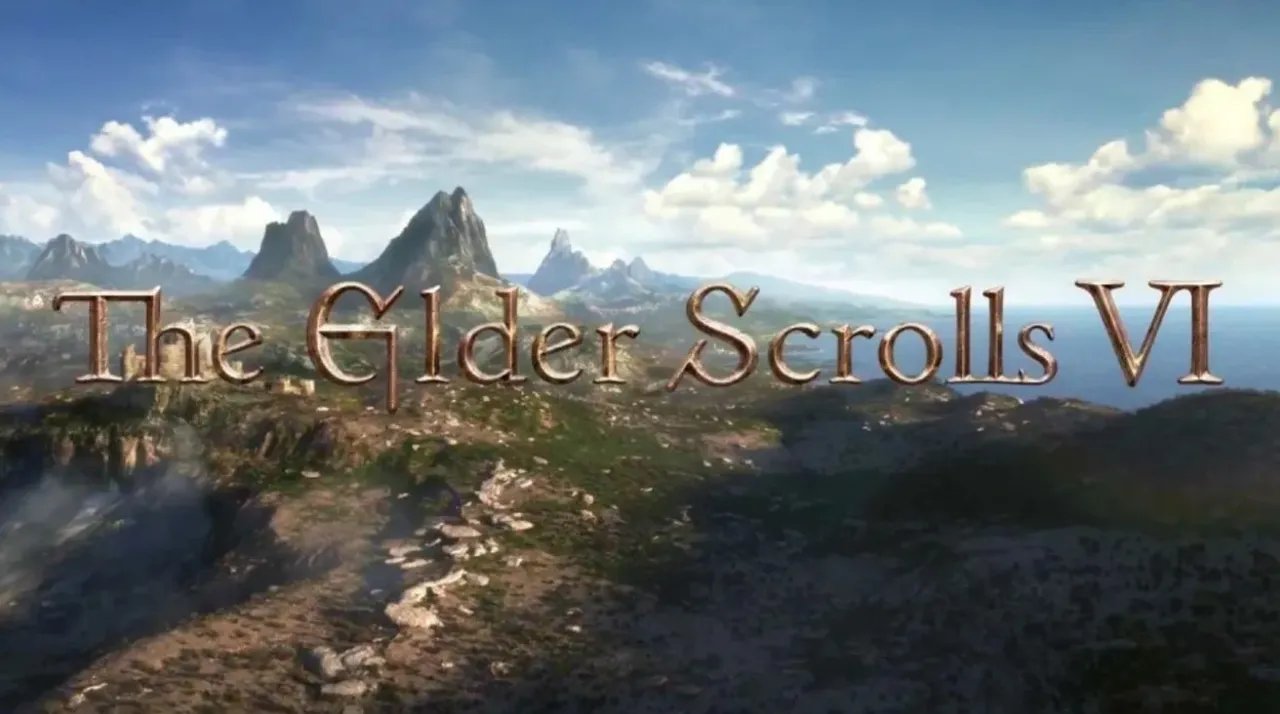
The gaming industry has been buzzing with speculation regarding the next installment in Bethesda Game Studios’ iconic fantasy role-playing franchise. Recent reports indicate that the highly anticipated sequel, long referred to simply by its series moniker, now carries the subtitle The Elder Scrolls 6: Sentinel. This development marks a significant shift from the vague teaser revealed in 2018 to a concrete identity that suggests the project has matured through its lengthy development cycle.
Industry analysis points toward a potential formal announcement as early as next month, coinciding with major corporate milestones, such as the 15th anniversary of Skyrim or the 25th anniversary of the Xbox brand. For fans who have waited years for news, this solidification of the game’s identity represents a shift from abstract development cycles to a tangible product trajectory, with many experts projecting a release window around 2028.
Hammerfell and the Mechanics of Lore
According to the latest information, The Elder Scrolls 6: Sentinel will be set in the province of Hammerfell, the ancestral home of the Redguards. This geographic transition is noteworthy, as Hammerfell offers a distinct environmental contrast to the mountainous, snow-covered landscape of Skyrim. Known for its vast deserts, rugged canyons, and city-states, the province serves as a dense backdrop for the game’s narrative expansion.
The game is expected to move beyond simple world-building, focusing heavily on the history of the titular Elder Scrolls artifacts. While these items have appeared as lore objects throughout the series, this entry intends to bridge the gap between myth and gameplay. By allowing players to interact with these artifacts directly, Bethesda plans to unveil secrets that have been obscured for decades. This approach suggests a deeper integration of high-fantasy storytelling and interactive player agency, aiming to provide clarity on the cosmic forces that dictate the history of the continent of Tamriel.
Development Cycles and Technical Evolution
The journey to this point has been defined by a deliberate, measured pace. When the game was first revealed in 2018, it was in the earliest stages of pre-production. At the time, the studio’s primary technical and creative resources were allocated to the development of Starfield, an ambitious space exploration title that required five years of dedicated effort to bring to fruition.
Now that Starfield has reached maturity, the technical infrastructure and design philosophy developed during its creation are being funneled into the next iteration of the Creation Engine. This evolution is vital; players can expect significant improvements in world density, NPC interaction complexity, and graphical fidelity. The shift in focus to The Elder Scrolls 6 suggests that the studio is applying the hard-learned lessons of its recent sci-fi project to ensure a more stable and immersive experience upon launch. Bethesda is historically known for waiting until its titles are near completion before revealing extensive gameplay, which implies that while we now have a title and a setting, the core technical specifications and systems will remain under wraps until the final polish phase.
Strategic Importance for the Bethesda Ecosystem
The prioritization of this title is not merely a creative decision but a strategic necessity for the publisher. In the current landscape of massive open-world gaming, The Elder Scrolls 6 represents the flagship project for the studio. With the franchise having maintained massive long-term player engagement through ongoing support for previous titles, the pressure to deliver a transformative experience is immense.
The studio’s roadmap suggests a balancing act between managing the Fallout franchise, supporting existing live-service titles, and finalizing this massive fantasy project. By centering its development pipeline on The Elder Scrolls 6, the studio is signaling that it aims to set a new standard for emergent gameplay and narrative depth. The transition into the next generation of hardware allows for larger, more reactive environments where player choices regarding the artifacts of Hammerfell could potentially have cascading consequences throughout the game world.
What Lies Ahead for the Franchise
As the industry prepares for a potential reveal, the core inquiry remains centered on whether the final product can meet the expectations cultivated by years of anticipation. The inclusion of the Sentinel subtitle provides a focal point for fans to analyze the implications for the game’s plot and cultural focus. If the game indeed centers on the artifacts, it suggests a move toward a more focused narrative than the broad, explorative nature of its predecessor.
Ultimately, the move toward a 2028 release horizon aligns with contemporary standards for AAA game development, which have become increasingly time-intensive due to the complexity of modern hardware and procedural generation integration. While the wait has been arduous, the transition from a placeholder concept to a named, location-specific title indicates that the studio has moved into the critical phases of production. As the studio prepares its communications strategy for the coming year, the focus will undoubtedly remain on proving that the long wait was a necessary investment in crafting the definitive entry in the series.
Disclaimer: This content is auto-generated for informational purposes only.
Source: Read Original News