








Enhanced Connectivity and Network Compatibility
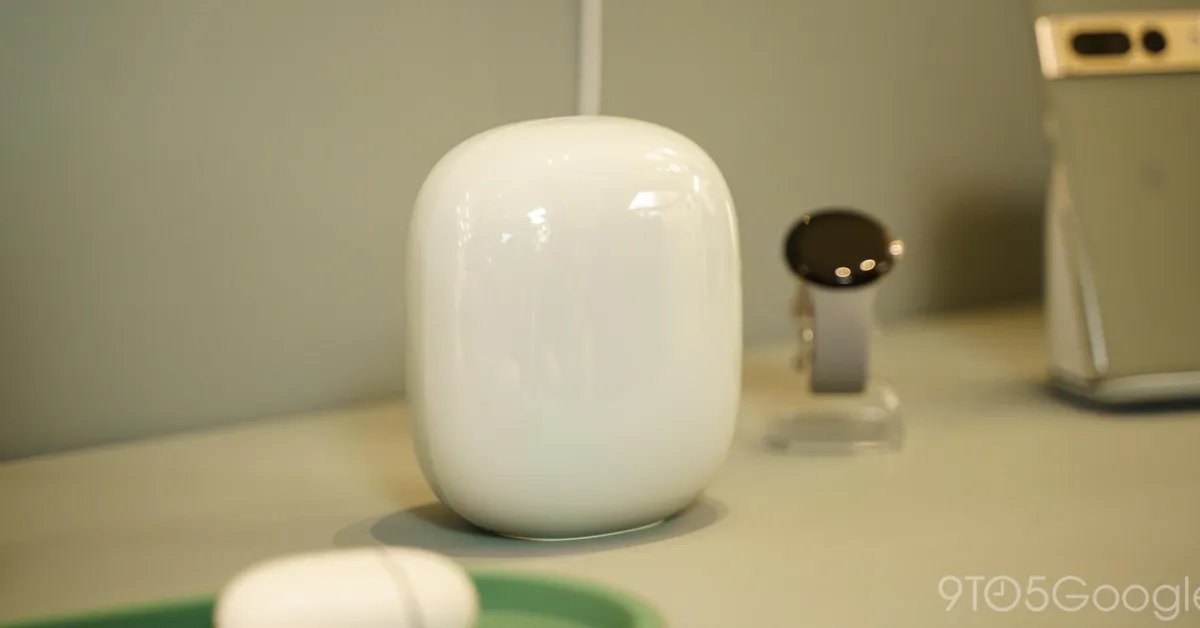
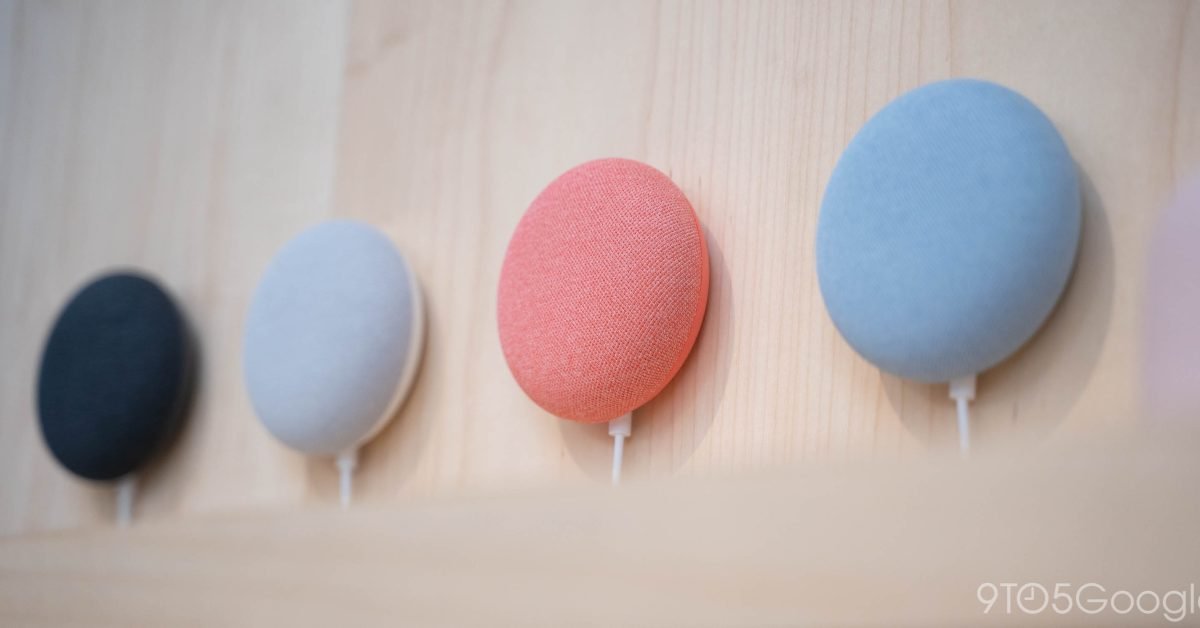
Google has initiated a comprehensive firmware update rollout for its ecosystem of smart speakers, including the Google Home, Google Home Mini, Nest Audio, and Nest Mini. A primary focus of this update cycle is addressing modern networking standards. As residential networking infrastructure shifts toward newer protocols, the inability of older smart home devices to interface with high-speed routers has become a notable friction point.
Specifically, Google has resolved a technical bottleneck that previously prevented these devices from connecting to Wi-Fi 7 access points when utilizing WPA3 security protocols. Wi-Fi 7, which offers significantly higher throughput and lower latency, often mandates stricter security handshake requirements. By updating the firmware to handle these WPA3 authentication sequences correctly, Google ensures that its legacy speakers remain functional in future-proofed home networks. This update is critical for users who have upgraded their hardware to current standards and found their smart home connectivity disrupted by incompatibilities with the latest wireless encryption protocols.
Refining Audio Playback and Speaker Tuning
Audio fidelity and playback stability form the core of the user experience for Google Nest and Home hardware. The latest firmware introduces several performance enhancements designed to create a more consistent listening environment. Users with Google Home, Google Home Mini, and Nest Audio units will experience improved streaming performance, which the company describes as smoother audio playback. This improvement is likely tied to better buffer management and more efficient packet processing, reducing the likelihood of stuttering during high-bitrate streaming sessions.
Beyond raw playback stability, Google has implemented specialized speaker pair volume tuning. This adjustment specifically addresses common complaints regarding low-frequency distortion. By reducing overly aggressive or “boomy” bass, the firmware achieves a more balanced frequency response. Furthermore, the update ensures that minimum volume levels remain distinct and audible, preventing the sound floor from dropping out completely at low decibel settings. These adjustments demonstrate a move toward higher-quality acoustic output, ensuring that the speakers perform consistently regardless of the volume level or the complexity of the audio content being played.
Streamlining Device Discovery and App Integration
One of the most persistent frustrations for users managing a large smart home ecosystem is the disappearance of connected devices or speaker groups within the Google Home application. Previously, users frequently reported that stereo pairs or defined multi-room speaker groups would become unresponsive or vanish entirely from the app interface, necessitating a time-consuming reboot of the network or individual speakers.
The new firmware update targets the local network discovery mechanisms for the Google Home speaker, Nest Audio, and Nest Mini. By optimizing how these devices broadcast their availability and respond to queries from the Google Home app, the system achieves faster and more reliable identification. This ensures that the control interface accurately reflects the status of the home setup in real time. For users who rely on complex configurations, such as linked stereo pairs for media playback or multi-room audio groups, this reliability improvement reduces the manual overhead required to manage the smart home.
Bug Fixes for Bluetooth and Voice Controls
The update also addresses functional bugs that interfered with daily workflows, particularly regarding Bluetooth connectivity and voice-controlled communication. One notable fix resolves a long-standing issue involving Bluetooth audio streaming from external sources, such as laptops or mobile devices. Previously, a voice command to “resume” playback would often trigger an immediate pause, effectively breaking the functionality of the device as a dedicated Bluetooth speaker. By correcting the logic in the playback resume command, the speakers now maintain a consistent Bluetooth stream, allowing for seamless transitions between voice-directed content and auxiliary audio input.
Furthermore, the firmware tackles a usability issue concerning Google Meet. Users had reported difficulty terminating active voice-based calls via voice commands, which is a significant oversight given that these speakers are primarily hands-free devices. By restoring the integrity of this voice control trigger, users can once again manage their communications effectively without needing to physically interact with the device or the application.
Impact on the Smart Home Ecosystem
These updates represent a strategic effort by Google to extend the life cycle and utility of its existing hardware lineup. Rather than focusing on new hardware iterations, these firmware refinements optimize the software layer to match the requirements of evolving network environments. By bridging the gap between older smart speakers and modern standards like Wi-Fi 7, while simultaneously refining the audio profile and system stability, Google is maintaining parity across its device categories.
For the end user, these changes translate to a more dependable and consistent experience. The combination of network-level fixes, improved audio tuning, and better app responsiveness addresses the most common technical pain points associated with long-term smart speaker ownership. As Google continues to push these firmware updates to its global user base, the cumulative impact will be a more cohesive and resilient smart home system that integrates more cleanly into the modern, high-speed digital domestic environment. Users should ensure their devices remain powered and connected to the internet to receive these background updates, as they represent a substantial step forward in maintaining functional, high-quality audio hardware in a rapidly changing networking landscape.
Disclaimer: This content is auto-generated for informational purposes only.
Source: Read Original News