







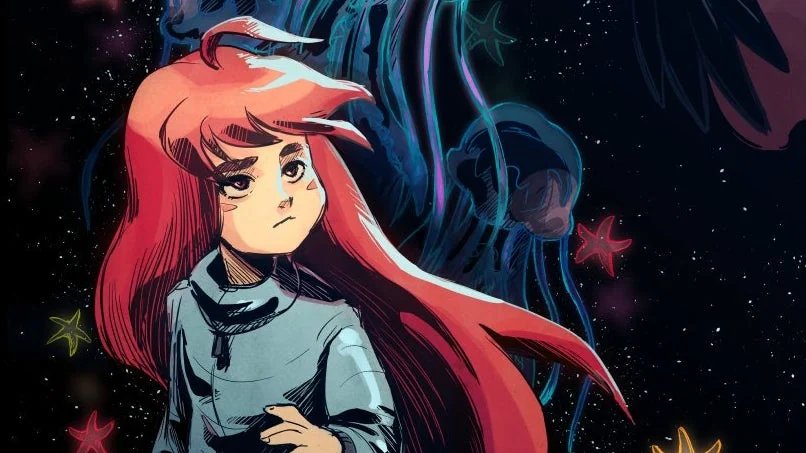
The Departure of Celeste and TowerFall from Xbox
The digital landscape of the Xbox ecosystem has recently undergone a notable shift as Maddy Thorson of MaddyMakesGames officially pulled the celebrated titles Celeste and TowerFall from the Xbox store. This decision marks a significant development in the gaming industry, as developers increasingly scrutinize the ethical implications of their platform partnerships. By removing these games, Thorson has aligned the studio with the Boycott, Divestment, Sanctions (BDS) movement, explicitly citing opposition to the actions of Microsoft, the parent company of Xbox.
The removal of these titles is not an isolated incident but part of a broader trend of developer-led protest. The studio behind the upcoming title Big Walk also recently announced that its project would not be released on the Xbox platform, citing similar concerns regarding Microsoft’s technical contributions within the region of Israel and Palestine. These actions serve as a focal point for the “No Games For Genocide” collective, an assembly of developers, designers, and industry professionals advocating for a widespread boycott of Microsoft services.
Understanding the BDS Movement in Technology
The BDS movement is a global campaign that seeks to increase economic and political pressure on Israel to comply with international law. In the technology sector, this often manifests as a call to divest from corporations that provide infrastructure, software, or hardware services utilized by government agencies or military forces in conflict zones. When developers choose to remove their games from a storefront like Xbox, they are utilizing their intellectual property as a mechanism for political expression.
For independent studios, the decision to limit distribution platforms carries real-world consequences, including a reduction in potential revenue and a smaller user base. However, proponents of this approach argue that the ethical cost of maintaining a presence on platforms owned by multinational corporations that provide support for perceived human rights violations outweighs the commercial benefits of store availability. The movement has expanded beyond gaming to target various sectors, including retail and consumer technology, highlighting a growing tension between global software conglomerates and the independent creators who publish within their ecosystems.
The Technical and Historical Significance of the Titles
To understand the weight of this withdrawal, one must consider the historical footprint of the games in question. TowerFall, originally released in 2013 for the micro-console Ouya, is frequently credited with helping to define the modern era of local multiplayer gaming. Its mechanics—a fast-paced, precision-based archery combat system—set a high bar for independent developers focusing on tight, responsive control schemes. It transformed from an obscure niche title into a staple of the indie scene, demonstrating how independent design could challenge the dominance of high-budget, mass-market shooters.
Celeste, released in 2018, represents a different kind of milestone. As a narrative-driven platformer, it achieved critical acclaim for its precise movement mechanics and its exploration of complex psychological themes. It captured a vast audience through a combination of accessible gameplay loops and a high skill ceiling for speedrunners. By winning the Best Independent Game award at The Game Awards, Celeste solidified its position as a pillar of contemporary game design. Removing a title of this magnitude from a major digital storefront is a strategic move that denies a major platform one of its most prestigious assets.
Developer Autonomy and Digital Storefront Control
The ability to remove games from a digital storefront underscores a critical aspect of modern game distribution: the developer’s agency over their digital assets. Unlike physical media, which relies on retail logistics and inventory management, digital distribution platforms allow for rapid updates, removals, and price adjustments. While this agility is generally viewed as a convenience for developers and publishers, it also serves as a potent tool for digital activism.
When a developer pulls their software from a store, they are effectively disabling the primary mechanism through which that ecosystem generates value. For Microsoft, which relies on the strength and diversity of its game library to maintain the relevance of the Xbox brand, the loss of indie darlings like Celeste impacts the perceived value of its platform. This tension highlights the dependence that hardware manufacturers have on the creative output of the independent sector. Without a steady stream of highly rated indie content, the attractiveness of a digital platform as an all-encompassing service is fundamentally diminished.
Industry Implications and the Future of Platforms
The trend of developers pulling games from major consoles is prompting a conversation about the responsibilities of platform holders. As developers demand more accountability from the corporations that host their work, industry leaders like Microsoft may face increasing pressure to address the underlying concerns of the artistic community. The “No Games For Genocide” movement is not merely a call to stop playing; it is a call to reassess the interconnectedness of global technology, military support, and entertainment software.
As this movement gains momentum, it forces both players and developers to contemplate their roles within the industry. Every purchase made on a digital store contributes to the financial success of the parent company, effectively signaling an endorsement of its broader corporate activities. By choosing to remove their games, developers like Maddy Thorson are making it clear that they do not wish for their work to facilitate the growth of platforms they find ethically compromised. Whether this pressure leads to tangible policy changes within large technology firms remains to be seen, but the actions taken by these independent studios are fundamentally altering the discourse on how digital culture, corporate ethics, and platform loyalty intersect.
Disclaimer: This content is auto-generated for informational purposes only.
Source: Read Original News