





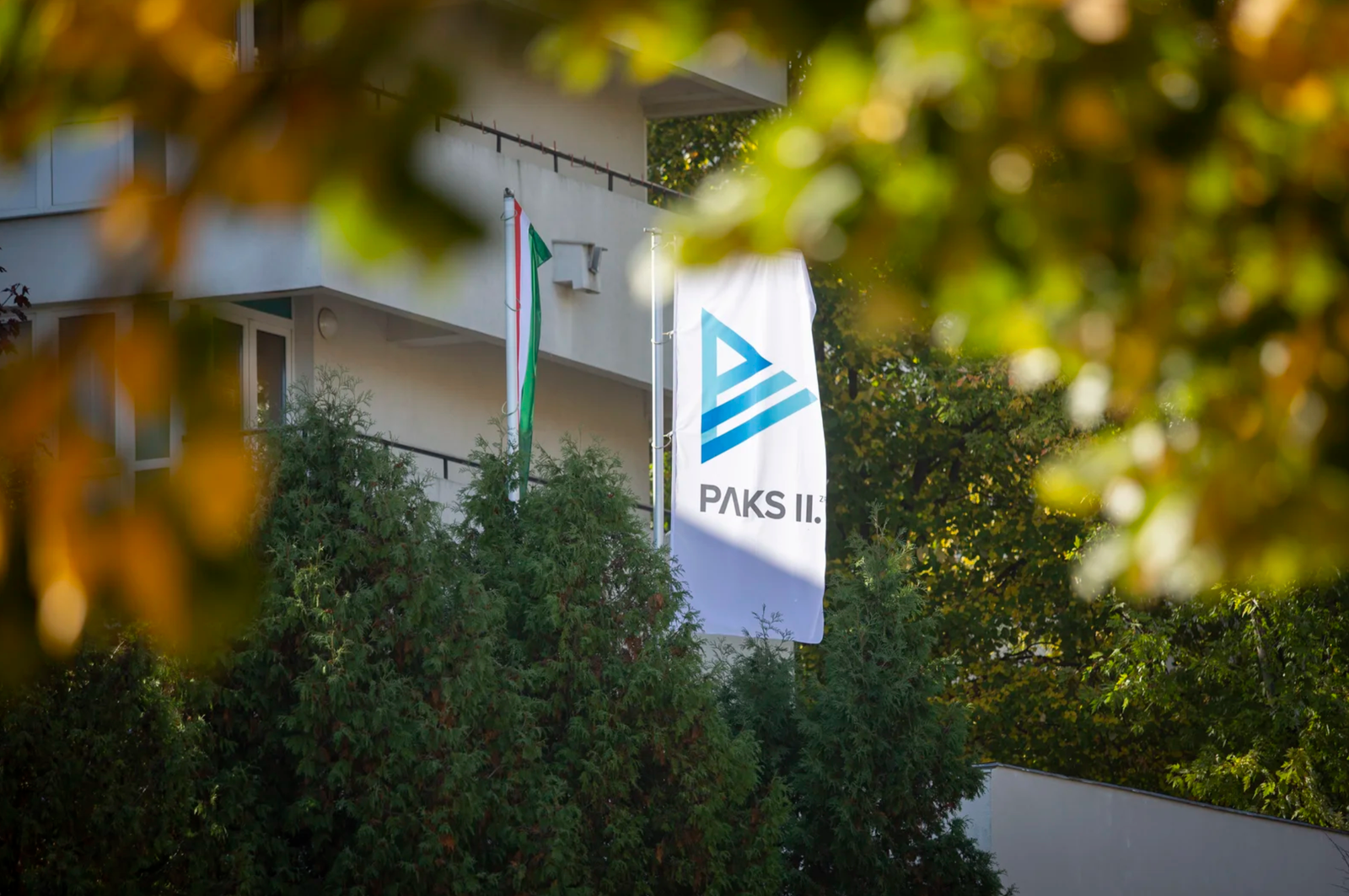
BUDAPEST — Hungary’s new government has launched a high-stakes review of the Paks II nuclear power plant, signaling a potential seismic shift in the nation’s energy policy. Prime Minister Péter Magyar’s administration is reportedly exploring the removal of Russia’s state nuclear corporation, Rosatom, as the lead contractor for the €12.5 billion project—a move that has sent shockwaves through both the energy sector and diplomatic circles.
Awarded to Rosatom in 2014 under former Prime Minister Viktor Orbán, the Paks II project has been marred by persistent delays and ballooning costs. With the first concrete only poured in February 2026, the project is already years behind schedule. According to an October 21 investigation by Reuters, the new government is now actively weighing alternative suppliers, raising the question of whether Budapest is signaling a definitive break with Moscow or employing a calculated negotiation tactic to secure better terms.
The uncertainty has reached the highest echelons of the Russian corporation. On October 23, Rosatom Director General Alexei Likhachev publicly admitted that the project could either be accelerated or abandoned entirely, noting that the company’s repeated requests for dialogue with the Hungarian government have gone unanswered.
However, industry experts urge caution against assuming a total divorce is imminent. Dmitry Gorchakov, a nuclear specialist at the Bellona Foundation, suggests the current rhetoric may be a byproduct of tense, indirect negotiations. “Refusing to work with Rosatom would be a radical measure that wasn’t even on the table during the election campaign,” Gorchakov said. He warned that replacing the Russian contractor could push the project back another five to ten years, as alternative designs and safety protocols would need to be approved from scratch.
Furthermore, Hungary’s entrenchment in the Russian nuclear ecosystem is profound. Unlike Finland, which successfully cancelled its Hanhikivi plant deal with Rosatom in 2022, Hungary relies on Russian technology for its four existing reactors. A complete rupture could spark years of legal battles and jeopardize the long-term maintenance and fuel supplies essential for current operations.
Geopolitical considerations, however, are pushing in the opposite direction. Alexander Nikitin, another expert at Bellona, argues that the post-invasion reality in Europe makes long-term reliance on Russian nuclear expertise an untenable political liability. “Geopolitics will enter into these economic negotiations,” Nikitin noted, suggesting that for many, the price of independence may be worth the cost.
Budapest is already hedging its bets. On October 29, the government moved to formalize a nuclear cooperation agreement with the United States, focusing on civilian technology and small modular reactors. While this does not immediately solve the Paks II dilemma, it signals a clear pivot in strategic alignment.
As a late 2026 or early 2027 decision deadline looms, the future of the Paks II site remains the ultimate test of how far a nation deeply tethered to Russian infrastructure can go to reclaim its energy autonomy.
Disclaimer: This content is auto-generated for informational purposes only.
Source: Read Original News