








A Strategic Transition in Leadership
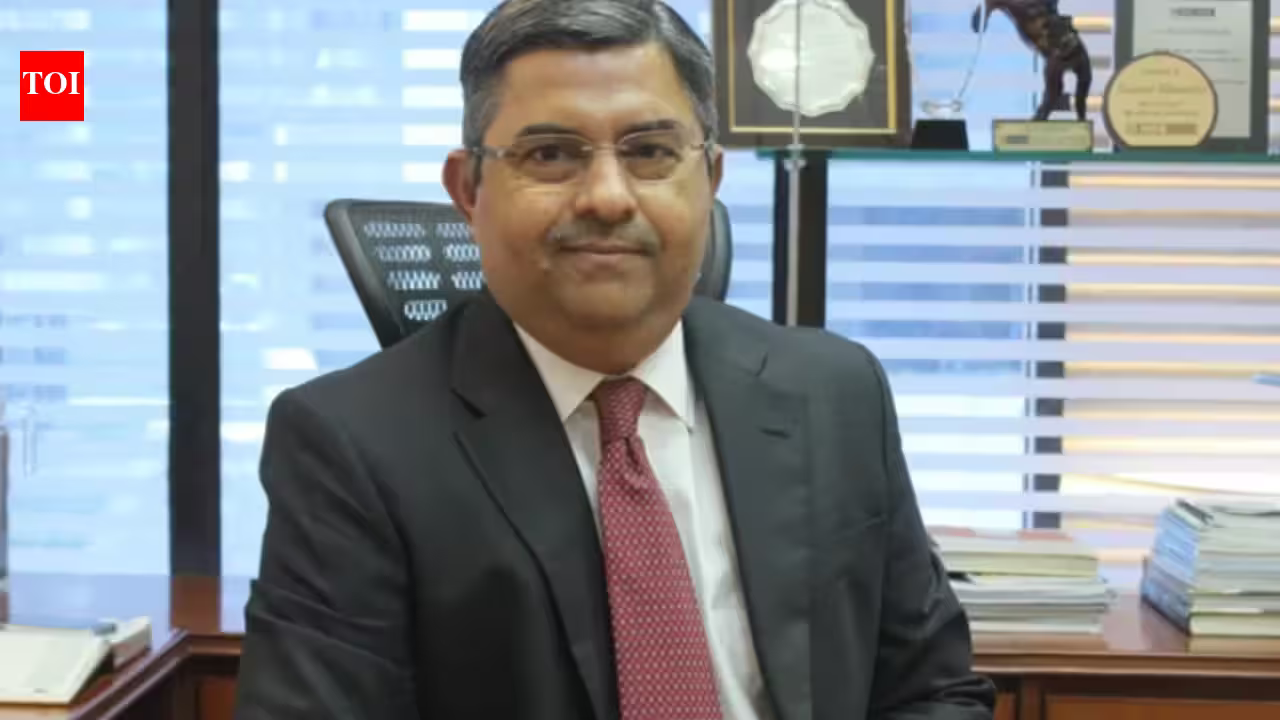
The recent announcement regarding the departure of Kaizad Bharucha, Deputy Managing Director of HDFC Bank, marks a significant turning point in the governance of India’s largest private sector lender. Serving as a foundational figure since 1995, Bharucha has been instrumental in shaping the bank’s wholesale banking and risk management frameworks. His resignation, scheduled for December 31, arrives at a critical juncture as the institution prepares for a leadership change at the helm, with Anup Bagchi set to assume the roles of Managing Director and Chief Executive Officer on October 27.
In the corporate sector, the resignation of a long-term executive often sparks discourse regarding succession planning and the internal cultural shifts that follow major leadership appointments. Bharucha, who was widely regarded as a candidate for the top position, represents a legacy of the HDFC Bank institutional model—one built on deep-rooted processes and rigorous credit standards. His departure, while managed through formal board approval and RBI notification protocols, reflects the broader churn inherent in large-scale organizational restructuring. As the bank transitions to a new era under Bagchi, stakeholders are closely monitoring how the institution balances the preservation of its legacy systems with the necessity of adapting to a rapidly evolving digital banking landscape.
Financial Performance and Operational Resilience
Concurrent with the announcement of these leadership shifts, HDFC Bank has released its performance metrics for the July-September quarter, demonstrating a trajectory of steady, if measured, growth. The bank reported a consolidated net profit of Rs 20,700 crore, an increase of 5.55 percent compared to the same quarter of the previous year. This performance highlights the bank’s ability to sustain profitability despite the macroeconomic headwinds often associated with large-scale mergers and the integration of diverse asset portfolios.
Standalone net profit growth stood at 4.7 percent, reaching Rs 19,510 crore. When parsing these figures, analysts look to the underlying operational health rather than headline numbers. A critical metric in this assessment is the profit after tax, excluding treasury performance, which grew by 12.6 percent year-on-year. This indicates that the core banking business—driven by retail and wholesale lending activities—remains robust. However, the rise in total expenditure, which climbed to Rs 67,774 crore, underscores the ongoing costs related to infrastructure expansion and the integration efforts post-merger with the erstwhile HDFC Limited. For the investor community, the challenge remains to reconcile these rising operational costs with the bank’s ability to maintain its traditional margins in a credit-constrained environment.
Asset Quality and Risk Management Trends
One of the most noteworthy aspects of HDFC Bank’s recent reporting is the improvement in asset quality, a metric that remains a primary concern for the Indian banking sector. The gross non-performing assets (GNPA) ratio improved to 1.11 percent as of September 30. This is a commendable decline from the 1.17 percent recorded in the preceding quarter and the 1.24 percent reported in the year-ago period.
In the Indian context, maintaining low GNPA levels is synonymous with long-term institutional stability. Bharucha’s tenure was characterized by a conservative and disciplined approach to risk, which helped the bank navigate multiple economic cycles without sustaining the severe balance sheet damage seen at some of its peers. The ability of the bank to continue this trend of improving asset quality, even as senior personnel move on, suggests that the risk management architecture is deeply embedded within the organization’s DNA. This institutionalization of risk processes provides a buffer against the potential volatility that often accompanies high-level executive turnover. Provisions and contingencies, which rose slightly to Rs 3,573.62 crore, signal a proactive approach to potential credit stress, ensuring that the balance sheet remains insulated from unforeseen economic shocks.
The Future of Leadership at HDFC Bank
The arrival of Anup Bagchi as the new Managing Director and CEO brings a distinct perspective to the institution. Coming from the ICICI Group, Bagchi possesses a vast reservoir of experience in navigating competitive financial markets and leading large, complex teams. The transition is not merely a change in personnel; it signifies a potential shift in the strategic focus of the bank. Under the previous regime, the bank benefited from a highly stable, multi-decade leadership consistency. The incoming management must now demonstrate how it plans to sustain that stability while accelerating growth in sectors like digital payments, SME financing, and wealth management.
Market analysts suggest that the new CEO will likely focus on optimizing the integration of the home loan portfolio—a massive asset base acquired during the merger. Furthermore, the bank’s capital adequacy ratio, which stood at 18.9 percent at the end of September compared to 20 percent a year ago, provides a strong base for future credit expansion. While the capital position remains healthy and well above regulatory requirements, maintaining this ratio while pursuing aggressive growth will be a primary objective for the new management team. The departing executive’s role in ensuring a smooth handover during this final quarter will be vital to maintaining the trust of both the regulator and the market.
Broader Market Implications and Regulatory Context
The banking sector in India is currently in a state of consolidation and modernization. As HDFC Bank works through its internal leadership realignment, the broader industry is observing closely. The Reserve Bank of India’s focus on governance and the professionalization of top management at private sector banks remains intense. The board’s decision to formally involve the RBI in the resignation process of a deputy-level executive underscores the transparent and regulated environment in which these top-tier private lenders operate.
The departure of a long-standing veteran like Bharucha is a reminder that even the most established organizations are subject to change. For shareholders and customers, the priority remains the continuity of services and the maintenance of the bank’s competitive edge. The consistent performance in terms of profitability and asset quality provides the necessary stability for this transition. Ultimately, HDFC Bank remains a bellwether for the Indian economy. Its ability to navigate this period of structural change while upholding its fundamental service and risk standards will serve as a testament to the strength of its corporate governance. As the bank enters this new chapter, it will continue to lean on the established institutional frameworks that have defined its success, while simultaneously adopting the tactical agility required for the modern digital era.
Disclaimer: This content is auto-generated for informational purposes only.
Source: Read Original News