






The race for the future of urban mobility has officially reached new, literal heights, and the rivalry between automotive incumbents and specialized aerospace startups is escalating. In a bold display of corporate showmanship, California-based Alef Aeronautics took to social media this week to issue a playful, yet pointed, challenge to Tesla.
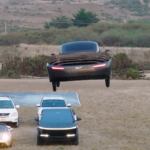
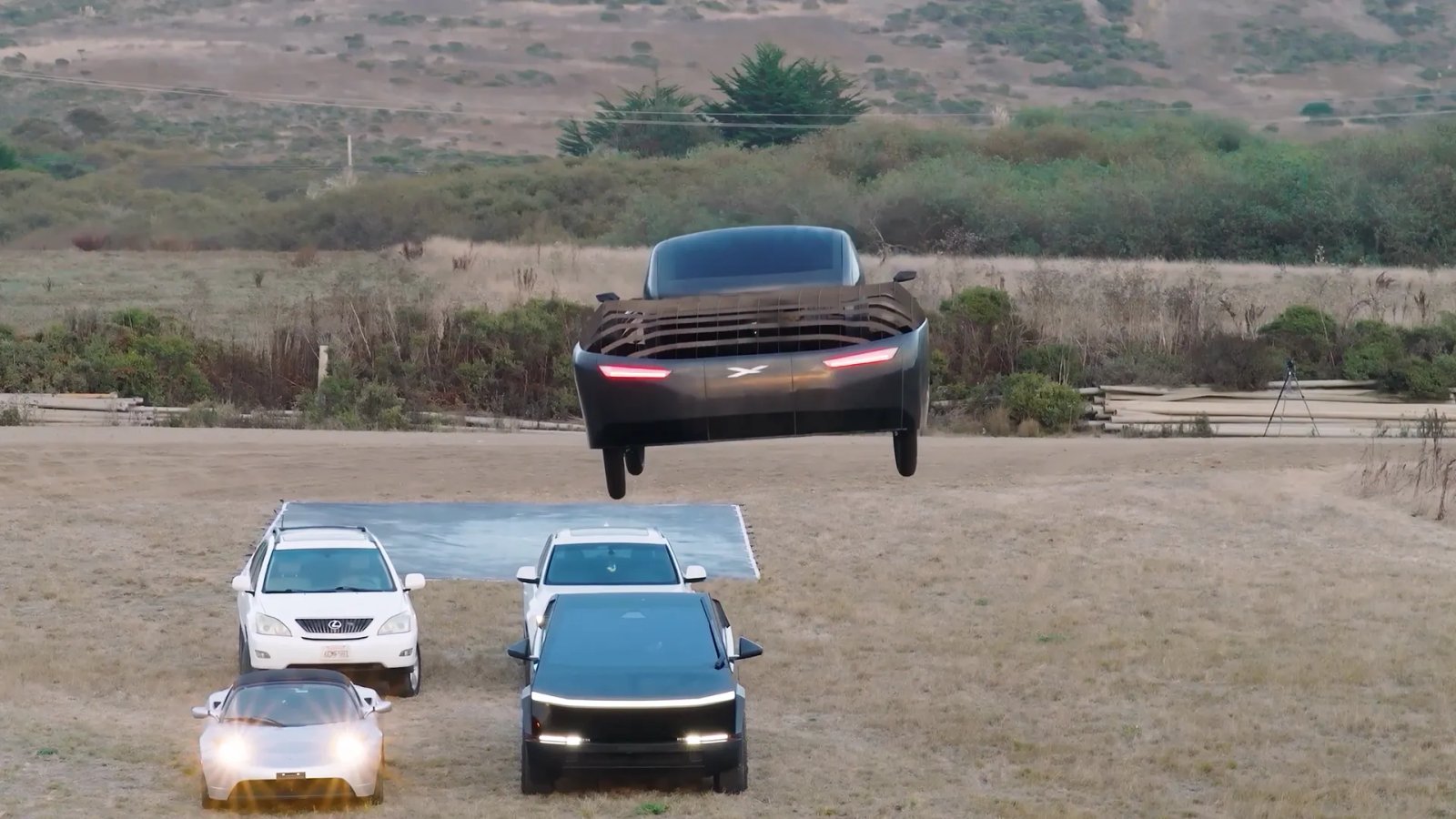
The company released a short video featuring its flagship electric flying car soaring gracefully over a Tesla Roadster. The visual, which juxtaposes the low-profile electric supercar with an aerial vehicle, was captioned with a welcoming message to Elon Musk’s automotive giant, formally inviting the world’s most famous EV manufacturer to the “flying car race.”
## A Veteran’s Perspective on Aerial Mobility
While the tech industry has been abuzz with recent advancements in autonomous driving and AI-driven traffic management, the prospect of vertical take-off and landing (VTOL) vehicles remains the final frontier of consumer transportation. For Jim Dukhovny, CEO of Alef Aeronautics, the recent noise around the sector is a welcome validation of a vision he has pursued for over a decade.
“We have been alone in this race for 11 years,” Dukhovny stated, highlighting the persistence required to navigate the complex regulatory and engineering hurdles associated with flying cars. By positioning Alef as the veteran in an emerging field, the company is attempting to carve out a leadership position, contrasting its singular focus on flight-capable road vehicles against the broader, multi-sector ambitions of Tesla.
## The Intersection of Tech, AI, and Transportation
The emergence of flying cars marks a significant shift in the broader technology landscape. Much of the progress in this sector is currently powered by advancements in artificial intelligence—specifically in autonomous flight path calculation and real-time obstacle avoidance. As major tech players like Google continue to refine their own AI models through platforms like Gemini, and integrate these systems into navigation software, the infrastructure supporting these futuristic vehicles is slowly coming into focus.
Google, through its ongoing investments in cloud computing and autonomous mapping via Google Maps, has become an essential partner for companies attempting to build self-driving and self-flying fleets. While Tesla relies on its proprietary “Full Self-Driving” (FSD) stack, the rest of the industry is leaning heavily into open-source AI frameworks and robust mapping data to ensure that when these cars eventually take to the sky, they are as safe as they are efficient.
## Is the Flying Car Era Finally Upon Us?
Despite the excitement generated by the video, skepticism remains regarding the immediate viability of consumer-grade flying cars. Beyond the engineering challenges, the “race” is just as much about federal aviation regulations, air traffic control integration, and public safety standards as it is about motor power.
However, the playful provocation from Alef highlights a growing trend in the tech industry: the convergence of lifestyle, performance, and extreme mobility. Tesla, which has long teased the inclusion of “hovering” capabilities for its upcoming Roadster through the use of cold-gas thrusters, has yet to deliver a fully airborne vehicle. Whether the two companies ever find themselves competing on the same pavement—or in the same airspace—remains to be seen.
For now, the video serves as a reminder that the boundary between ground-based EVs and aviation is becoming increasingly porous. As companies lean into AI-assisted autonomy and lightweight materials, the competition to define the next generation of personal travel is no longer just about who has the best battery technology, but who can successfully navigate the transition from the garage to the sky.
Disclaimer: This content is auto-generated for informational purposes only.
Source: Read Original News