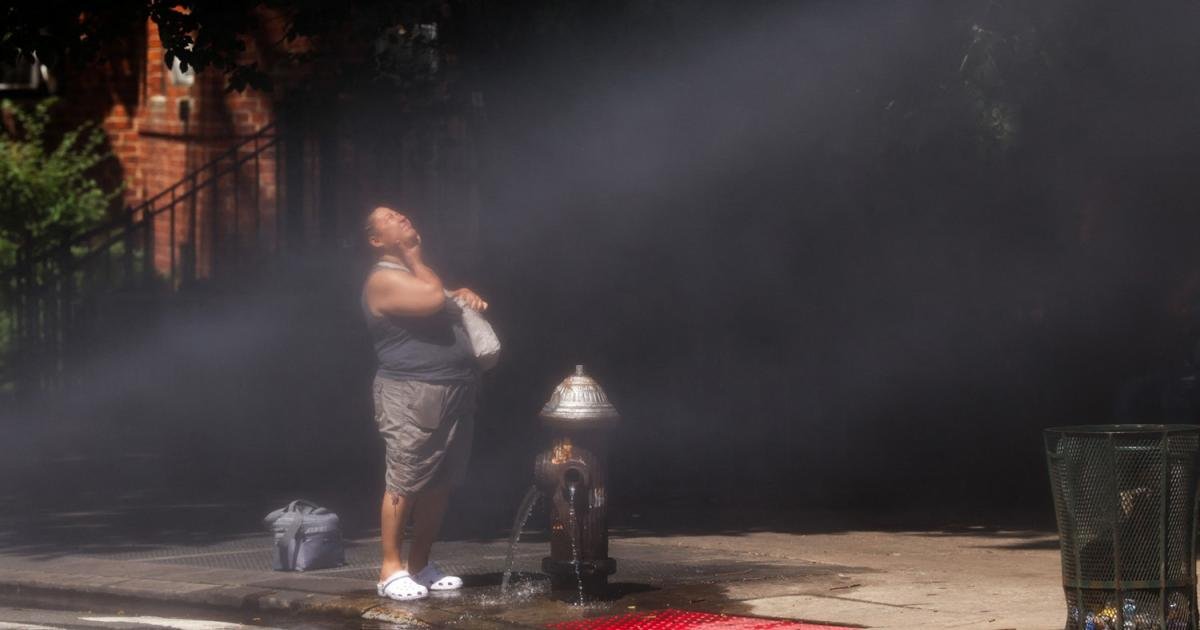










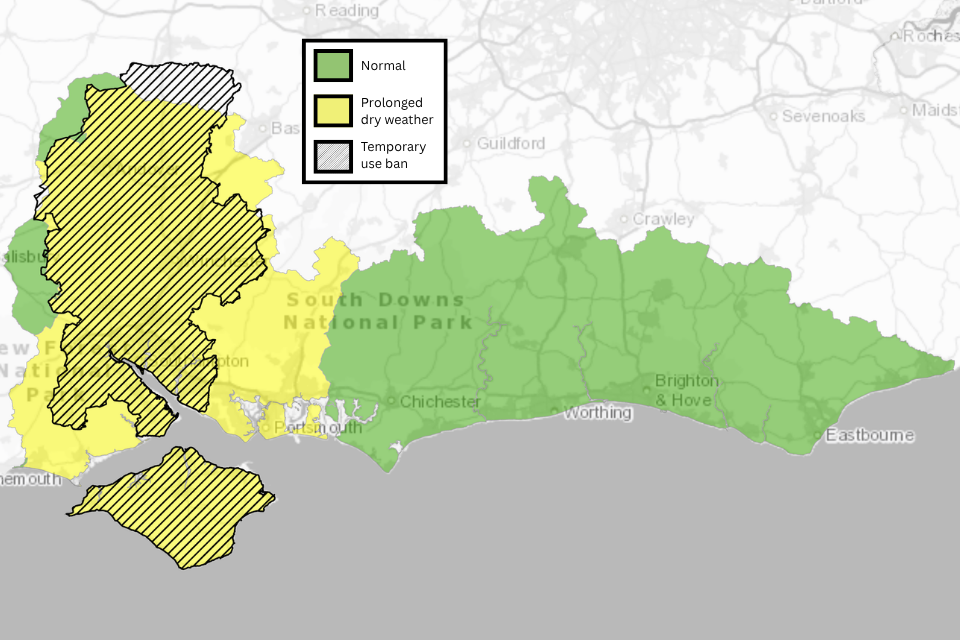
The Environment Agency has changed the environmental status of parts of Hampshire and the Isle of Wight to prolonged dry weather following England’s warmest Spring on record.
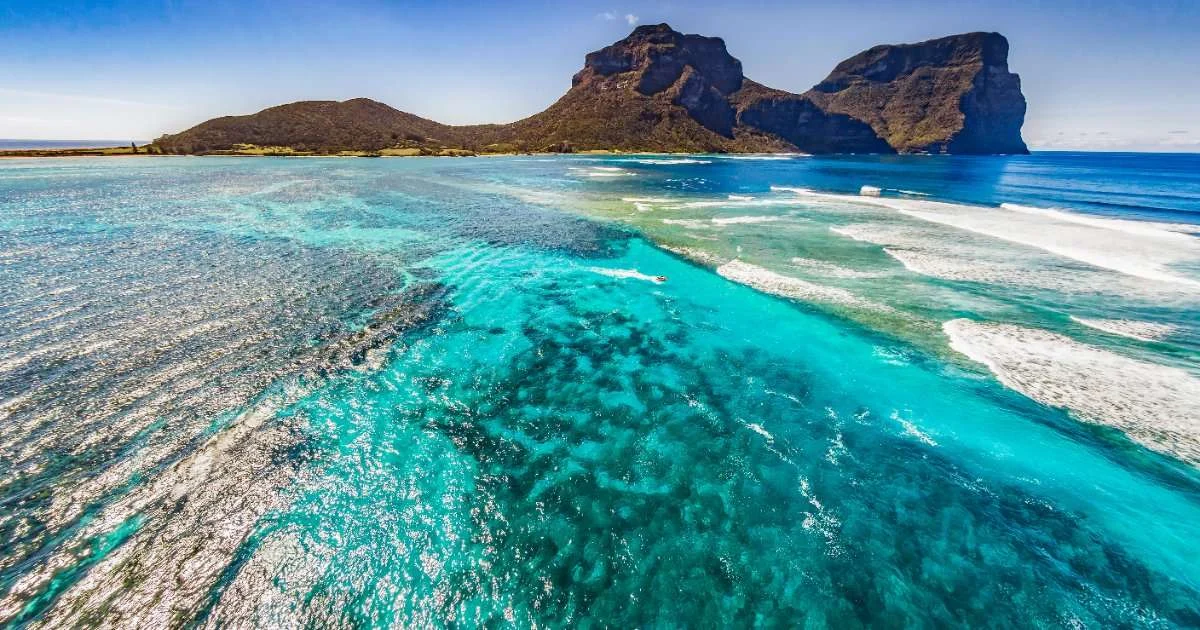
The agency has said the move, which came into force today (Friday), has placed the Isle of Wight into the first stage of drought and reflects the growing pressures on the environment and demand for water.
A prolonged dry weather status is the first official stage of drought response and means that the areas affected have experienced below-average rainfall that is on the cusp of stressing the natural environment, such as the flow of rivers, groundwater levels and reservoirs.


As previously reported by Island Echo, the region saw a Temporary Use Ban (TUB) come into force today, prohibiting the domestic use of hosepipes in order to protect the water levels in the River Test, which are now at critically low levels at around 25% below what would normally be expected for this time of year.
Environment Planning & Engagement manager at the Environment Agency, Richard O’Callaghan said:
“The changing climate has seen a whiplash from an exceptionally wet start of the year to prolonged dry weather.
Article continues below this advertisement “The pressures on the environment will become heavier. The Environment Agency is positioning itself to get ahead of that.
“We are ready to tackle any incidents during this time and make sure that the needs of the environment are balanced against demands for more water from our most sensitive waterways.”

In early Summer 2025, high temperatures struck water sources across Hampshire, the Isle of Wight and Sussex, with the counties then, on 10th July 2025, placed in a prolonged period of dry weather lasting a total of 6 months.
Moving towards the Winter of 2025, the Environment Agency issued a warning to the public in November that reduced amounts of rainfall over the winter period could push the Isle of Wight as well as other parts of the South Coast into drought.
It was said that unless sufficient rainfall occurs before the end of March 2026, all 3 counties (Hampshire, the Isle of Wight and Sussex) were at risk of entering drought, which could easily see the return of a hosepipe ban once again next year.
At the time, England had experienced below-average rainfall in 8 out of the 10 months recorded by November 2025.
Contrary to the very dry and hot weather the Island has experienced this month, we faced one of the wettest starts to the year on record, with Southern Water revealing in March that the equivalent of 6 months’ rainfall fell across January and February alone.
As reported by Island Echo, figures showed relentless downpours over the winter months which led to groundwater levels reaching extremes, placing significant pressure on the wastewater network.
In January, 176.1mm of rainfall was recorded, more than double the typical 71.9mm, equating to 245% of the monthly average.
In fact, the Island suffered so severely that Southern Water had to deploy more than 130 tankers to over 30 locations as intense downpours left the ground saturated and aquifers full, requiring urgent action to prevent widespread sewer flooding.
The timeline of how the Island suffered such significant flooding only to be entering the first stages of drought just 6 months later, begs the question: where did all that water go?