It comes as the River Wye faces mounting pressure as a drought is officially declared for the West Midlands, with environmental groups calling for urgent action.
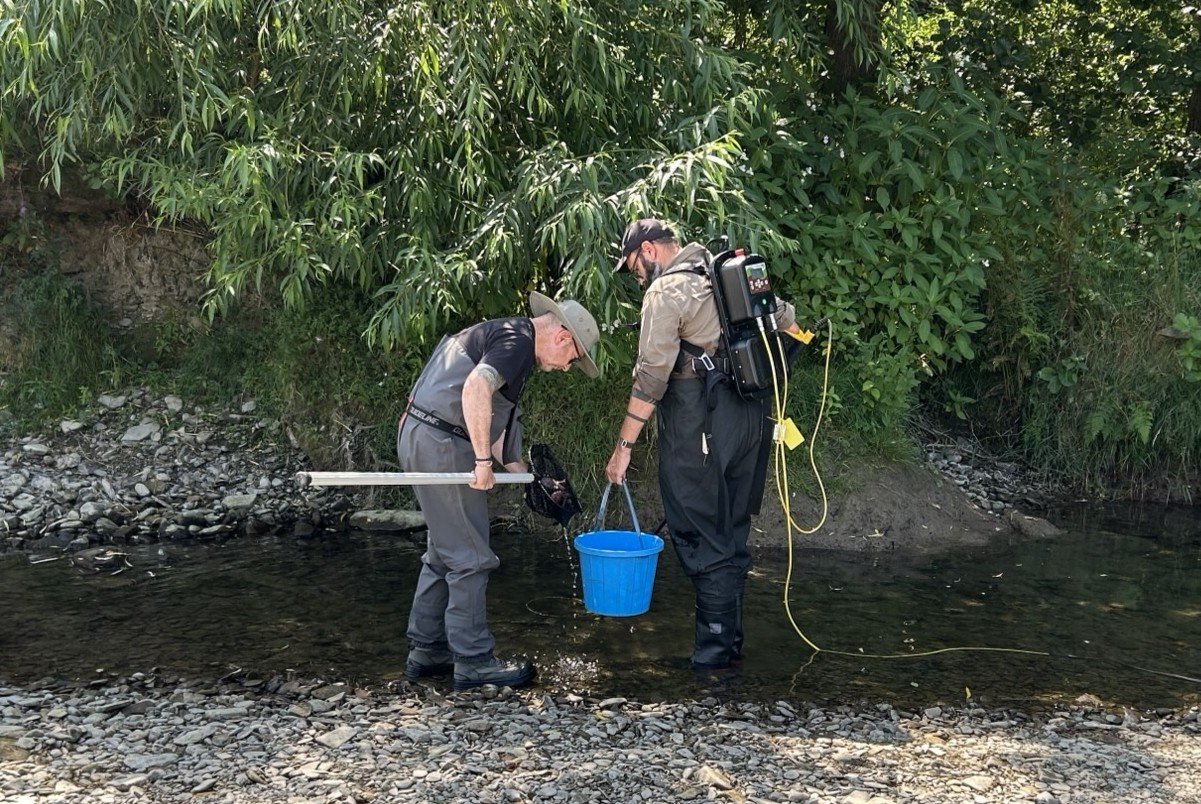
The Environment Agency has said it is out inspecting abstraction licences to ensure no one is over abstracting. They will also be checking that farmers are using water wisely, a spokesperson said.
A campaign led by River Action has renewed focus on water abstraction, with the charity calling for a review of licences in England and Wales to reflect the realities of more frequent droughts and growing competition for limited water resources.
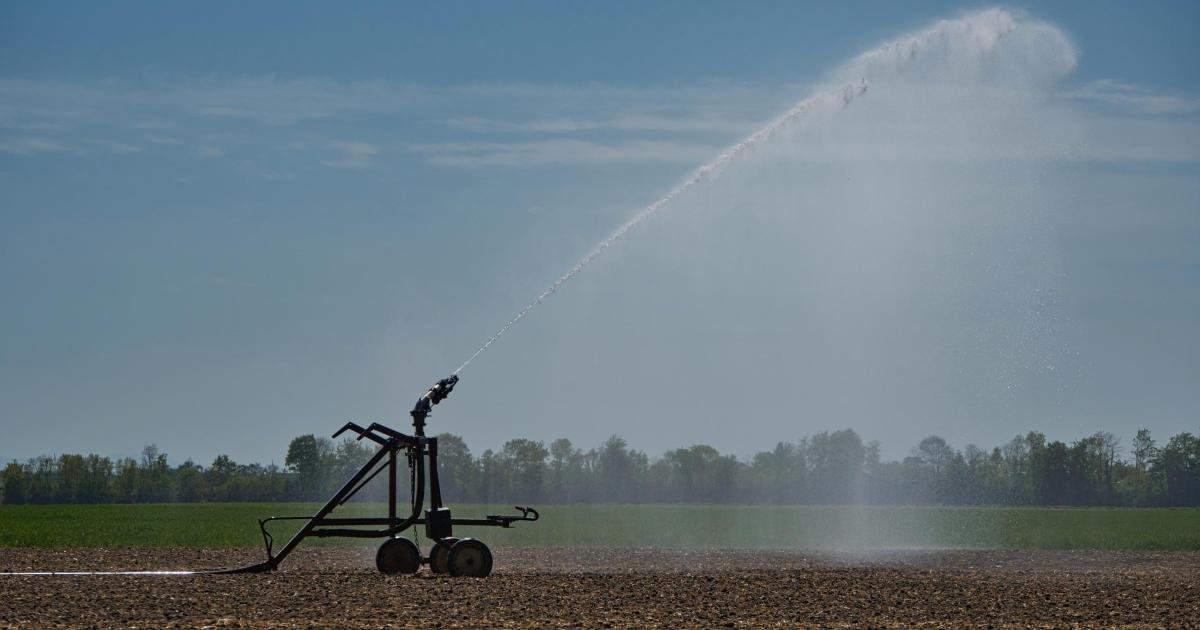
Despite calls for reform, Environment Agency data shows that while most extraction licences in the English Wye catchment are held by farmers, agriculture accounts for just 14 to 15 per cent of the total water volume taken.
Public water supply operators use the largest volumes of water.
The current drought is already taking a visible toll on the Wye, with river levels dropping to 0.12 metres at Bredwardine, 0.13 metres at Belmont, and zero at both Hereford’s Old Bridge and Ross-on-Wye.
James Wallace, chief executive of River Action, said: “This isn’t about stopping essential industries from using water.
“It’s about bringing industries into a water-efficient future where every drop is valued and an outdated abstraction system is brought into the 21st century.”
The Environment Agency is working with farmers and rural businesses to respond to the crisis, with local farmers telling the Hereford Times how crops are suffering in hot and dry weather.
A spokesperson said: “Abstraction licences have strict conditions to protect the environment and are reviewed regularly.
“We’re working with farming and other businesses to manage demand for water.
“We also expect to see a renewed focus on nature-based solutions, such as wetland restoration, to hold more water when it rains.”
In the English Wye catchment, which covers much of Herefordshire, there are 449 licensed abstractions, with more than 75 per cent held for agricultural use.
That translates to around 340 farming-related licences.
However, the true number of farms taking water from the river could be higher, as current regulations allow users to abstract up to 20 cubic metres per day without a licence.
Campaigners say this creates a data gap that makes it harder to manage water resources during dry periods.
The Wye catchment has already been designated as having “restricted water available,” meaning new consumptive licences are generally not granted due to existing pressures.
Farmers are being supported through the Herefordshire Water Abstraction Group, launched earlier this year through Herefordshire Rural Hub.
The group aims to help landowners navigate changing regulations and manage water use more effectively.
As drought conditions persist and rainfall remains well below average, water abstraction is set to remain a central issue for farmers, regulators and environmental advocates in the Wye Valley and beyond.