






Emergency fish rescue operations are underway across Shropshire waterways as an exceptionally severe drought leaves rivers running dangerously low, threatening local wildlife and prompting official drought declarations across half of England.

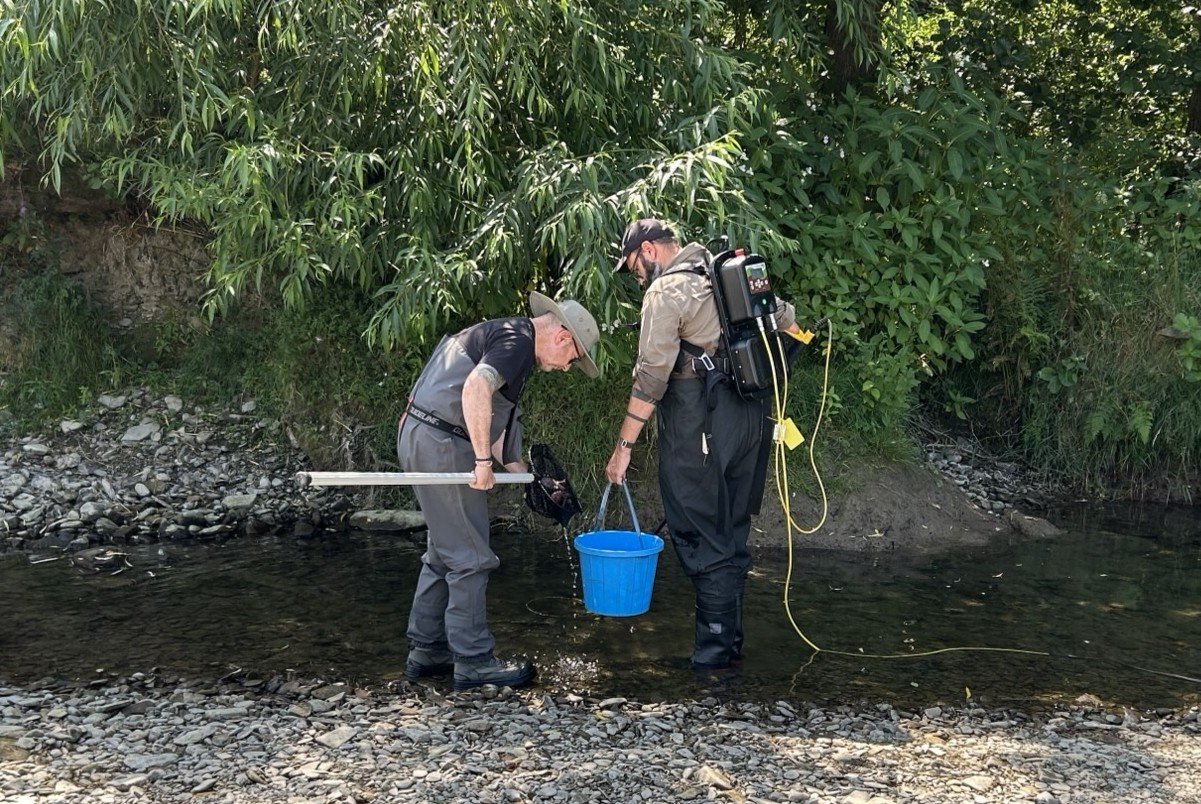
Environment Agency officers have been deployed to the River Teme and the River Onny in Shropshire, where falling water levels and soaring temperatures have created conditions that are increasingly hostile to aquatic life. With sections of the riverbeds drying out and water temperatures rising in trapped, stagnant pools, specialist teams are working to retrieve distressed fish and relocate them downstream to safer stretches of river where adequate flow remains.
The rescue efforts form part of a wider operational response across the West Midlands, one of seven regions in England officially placed into drought status by the Environment Agency alongside East Anglia, Hertfordshire and London, the Thames Valley, Hampshire and the Isle of Wight, Devon and Cornwall, and the Wessex region.
To protect public drinking water supplies and maintain essential river ecosystems in the region, the Environment Agency has intensified operations on the River Severn Regulation system. The system supplies drinking water to approximately six million people.
When flows drop below minimum thresholds at the Bewdley gauging station, water is released from Llyn Clywedog, Lake Vyrnwy, and the Shropshire Groundwater Scheme to support river levels. In tandem with these emergency releases, officers are actively inspecting abstraction licences across the countryside to prevent over-abstraction and ensure agricultural users are using remaining water supplies prudently.
The crisis follows an extraordinary weather pattern that saw a record-wet winter give way to an intensely hot and dry summer. Across England, July has yielded a mere 7 per cent of its expected average rainfall, with figures dropping to just 1 per cent in parts of southern England. A sequence of three heatwaves, including a 12-day stretch where temperatures consistently exceeded 30C, has accelerated evaporation rates, depleted water storage, and significantly heightened wildfire risks. This marks the third major drought to strike the nation in five years, following similar crises in 2022 and 2025.
Addressing the severity of the situation, Helen Wakeham, Director of Water at the Environment Agency and Chair of the National Drought Group, highlighted the compounding environmental pressures.
“The hot and dry weather means we are currently using water faster than nature can replenish it,” Wakeham said. “A second consecutive summer drought is an exceptionally serious situation and one that will have long-lasting impacts on our environment, wildlife and the economy. We want everyone to stay safe and hydrated during the hot weather but every drop we can save is a drop more for nature and agriculture.”
Following a high-level briefing between the National Drought Group and Water Minister Emma Hardy, water companies across the country have been instructed to escalate leak repairs and strictly implement their drought management strategies.
Water Minister Emma Hardy emphasised the necessity of long-term structural adaptation to cope with changing weather patterns.
“Our climate is changing, droughts are becoming increasingly common, and we need to be prepared for this new normal,” Hardy stated. “We’re delivering long-term change in the water industry and driving record investments in infrastructure, including nine new reservoirs. We expect water companies to follow their drought plans, to go further and faster to reduce leaks, and to ensure supplies are not disrupted even in the driest of weather.”
Meteorological forecasts offer little immediate prospect of substantial relief. While short periods of unsettled weather may reach isolated areas in early August, weather models suggest an absence of the widespread, heavy rainfall required to restore subterranean aquifers and river catchments.
Will Lang, Chief Meteorologist at the Met Office, outlined the atmospheric conditions driving the persistent dry spell.
“The warm and exceptionally dry conditions experienced across much of England over recent months are continuing to have a significant impact. Many areas have received very little or no rainfall throughout July, extending a period of below-average rainfall that has persisted across parts of the country since spring,” Lang explained.
“While there are indications of occasional unsettled spells during the first part of August, bringing the chance of rain to some locations, there is currently little sign of the widespread, sustained rainfall that would be needed to make a significant difference to the areas most affected by the dry weather. The Met Office continues to work closely with the Environment Agency and partners across the water sector, providing expert meteorological information and forecasts to support drought monitoring, planning and response activities.”
As field teams continue their monitoring work along Shropshire’s riverbanks, officials are appealing directly to the public to assist in safeguarding vulnerable habitats. Anyone who spots fish in distress or notices severe environmental degradation is urged to report the location immediately to the Environment Agency’s incident hotline on 0800 80 70 60.