







RECORD-BREAKING SIGHTINGS OF ELUSIVE MOTH SIGNAL VICTORY FOR CONSERVATIONISTS
In a major milestone for British conservation, wildlife enthusiasts have recorded a staggering 111 sightings of the rare Fisher’s estuarine moth at the Abbotts Hall nature reserve in Great Wigborough, near Colchester. The record-breaking figures for 2026 confirm that the fragile species is not only surviving but thriving in its protected habitat.
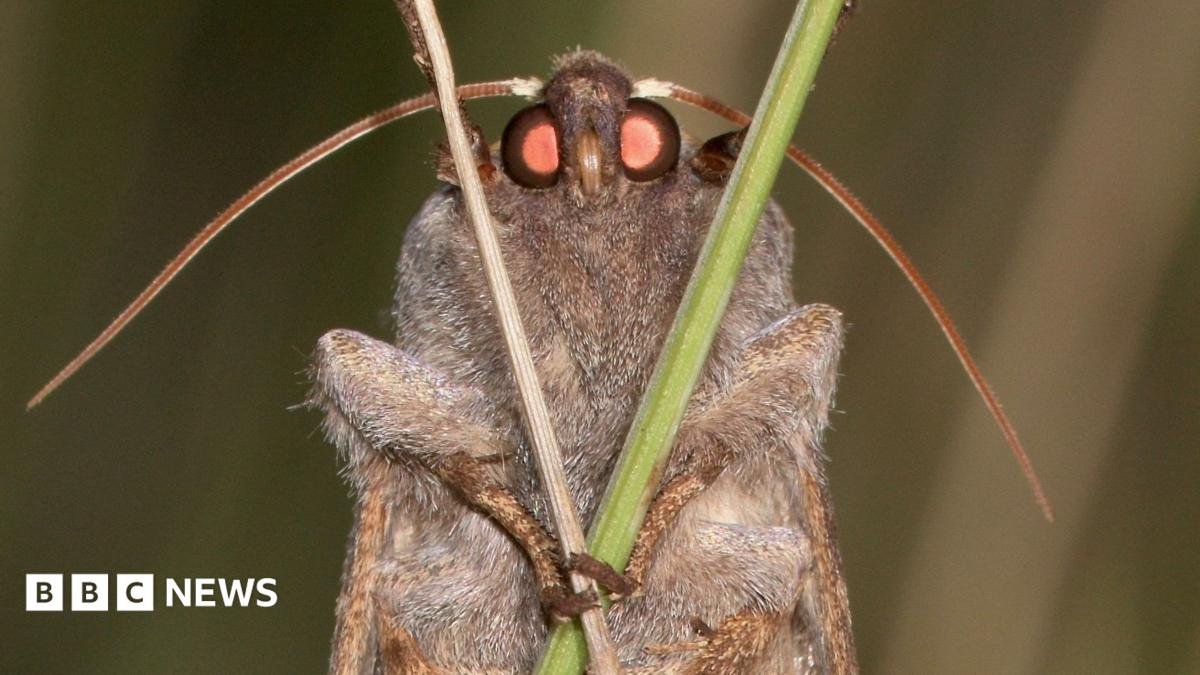
The Fisher’s estuarine moth—a nocturnal insect easily distinguished by its elegant, pale gold-brown wings adorned with a constellation of light and dark spots—has long been considered one of the United Kingdom’s most vulnerable species. Naturally dwelling in low-lying coastal grasslands, the moth faces constant pressure from coastal erosion and the encroaching impacts of rising sea levels.
The core of the species’ struggle for survival lies in its highly specific dietary requirements. The moth is entirely reliant on the rare plant hog’s fennel, which provides the necessary nutrition for its larvae. As rising sea levels have encroached upon traditional coastal habitats, natural stands of hog’s fennel have dwindled, placing the moth at a severe risk of extinction.
Recognizing the urgent need for intervention, the Essex Wildlife Trust launched an ambitious recovery project at Abbotts Hall nearly two decades ago. In 2005, the trust initiated a specialized planting program for hog’s fennel to ensure a reliable food source for future generations of the insect. Five years later, in 2010, the conservation team took the bold step of introducing moth eggs to the newly established habitat.
Dr. Zoe Ringwood, a leading conservationist at the Essex Wildlife Trust, hailed the current results as an “important success story” for biodiversity in the region.
“The surge in sightings this year is a testament to the years of dedicated environmental management,” Dr. Ringwood said. “We have worked tirelessly to cultivate a landscape where this unique insect can recover from the brink. Seeing the population stabilize and grow to these record numbers is incredibly rewarding for everyone involved in the project.”
The success at Abbotts Hall has provided a blueprint for future initiatives. Following the record-breaking season, the Essex Wildlife Trust has pledged to expand its efforts, committing to the ongoing survey and management of both new and existing plots along the vulnerable Essex coastline.
By creating interconnected “safe havens” for the moth, the charity hopes to secure the species against the unpredictable threats posed by the changing climate. As the trust moves forward with its surveys, the 111 sightings recorded this year serve as a vital beacon of hope, proving that targeted, science-led intervention can successfully reverse the decline of the UK’s most elusive native species.
Disclaimer: This content is auto-generated for informational purposes only.
Source: Read Original News