







Unveiling the Technological Leap of a Classic Remake
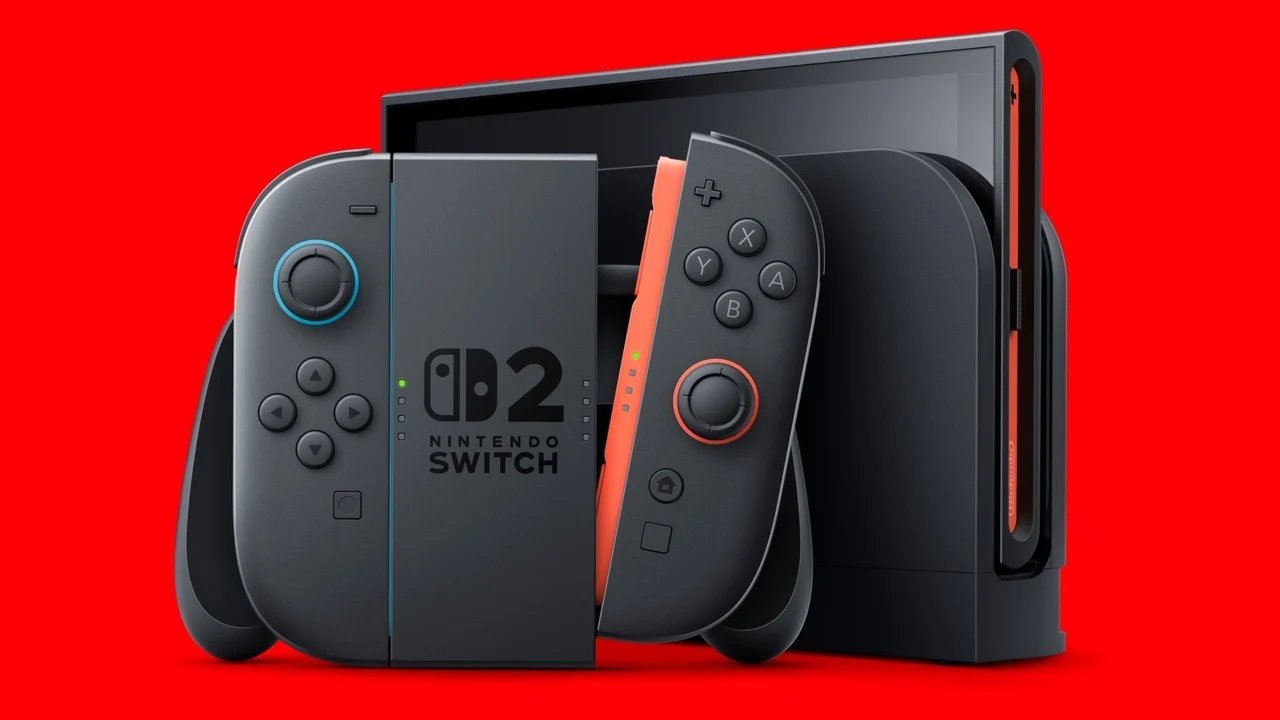
The gaming industry is preparing for a significant milestone with the upcoming release of the Legend of Zelda: Ocarina of Time remake. While the Zelda Direct presentation provided a preliminary look at the title, extensive technical documentation and visual assets recently surfaced on the official Japanese website. These resources offer a deeper examination of how the title leverages the hardware capabilities of the Nintendo Switch 2. By revisiting a foundational entry in the series, the developers are utilizing modern rendering techniques, higher resolution textures, and improved lighting models to reconstruct Hyrule with unprecedented fidelity. The abundance of available footage provides a clear window into how the title balances historical accuracy with modern graphical standards.
Structural Breakdown of the New Digital Assets
The official digital portal for the title organizes its promotional materials into five distinct chapters, each serving as a technical showcase for different facets of the engine. Chapter 1 introduces the narrative architecture, focusing on the origins of the Triforce through updated cutscene sequences that demonstrate enhanced character modeling and facial animation. Chapter 2 transitions into the environmental design, highlighting the early-game traversal mechanics and the visual complexity of the initial environments.
The progression continues in Chapter 3, which serves as a stress test for the open-world rendering capabilities of the system. This section displays iconic locations like Kokiri Forest and Zora’s Domain, showcasing how the engine handles varying degrees of environmental density and verticality. These visual assets confirm that the remake maintains the spatial integrity of the original map while significantly increasing the draw distance and geometric complexity of the assets.
Advancements in Dungeon Mechanics and Tool Interactions
Chapter 4 offers a technical deep dive into the dungeon design and equipment functionality. By isolating the first four dungeons—Inside the Great Deku Tree, Dodongo’s Cavern, Inside Jabu-Jabu’s Belly, and the Forest Temple—the footage highlights how the remake handles complex interior lighting and spatial puzzles. A primary area of interest involves the integration of the Fairy Slingshot and the Hookshot. The physics associated with these tools appear to benefit from the refined engine, allowing for more precise aim and fluid interaction with environmental objects. The transition between third-person combat and first-person aiming is seamless, indicating a high frame rate and reduced input latency that are critical for modern action-adventure performance.
Combat Dynamics and AI Complexity
The final segment of the website’s documentation, Chapter 5, provides a comprehensive look at the updated combat system. The montage features a wide array of adversaries, including Wolfos, Lizalfos, Leevers, Beamos, Stalfos, Deku Babas, Tektites, Bari, and Shell Blades. From a technical standpoint, the AI behaviors in this footage appear more responsive than those in the original release. Enemies demonstrate improved pathfinding and synchronized attack patterns, forcing the player to engage with the game’s lock-on mechanics more strategically. The visual feedback during combat—specifically the particle effects associated with defeated enemies—indicates a significant upgrade in the engine’s ability to process multiple active entities and simultaneous light sources without compromising performance.
Hardware Synergy and Platform Impact
The release of this title as an exclusive for the Nintendo Switch 2 signifies a strategic move to showcase the console’s processing potential. By porting a title with a massive, dedicated following onto new hardware, the developer ensures that both legacy players and newcomers can evaluate the improvements in hardware performance. The shift to a more powerful architecture allows for asset streaming, which minimizes load times when navigating between Hyrule’s sub-regions. Furthermore, the higher clock speeds and memory bandwidth of the new console are reflected in the improved texture filtering and depth-of-field effects evident in the official screenshots. This release serves as an essential benchmark for how the platform handles high-density assets and complex, real-time lighting calculations in a 3D space.
Implications for the Future of Zelda
The technical refinement seen in this remake suggests a shift in how traditional titles are modernized for future generations of hardware. Rather than relying on simple visual upscaling, the development team has opted to rebuild the interactions and visual layers from the ground up, ensuring that the title conforms to the requirements of the new system. As the November 5th, 2026, launch date approaches, interest remains high regarding how the final product will integrate additional features not currently visible in the provided snippets. With pre-orders already open, the remake is positioned as a primary title for the upcoming console cycle, bridging the gap between classic design philosophies and modern technological capabilities. The transparency provided by the official Japanese website allows developers and enthusiasts alike to analyze the progress, setting expectations for a high-performance experience that remains true to the original design documentation.
Disclaimer: This content is auto-generated for informational purposes only.
Source: Read Original News