








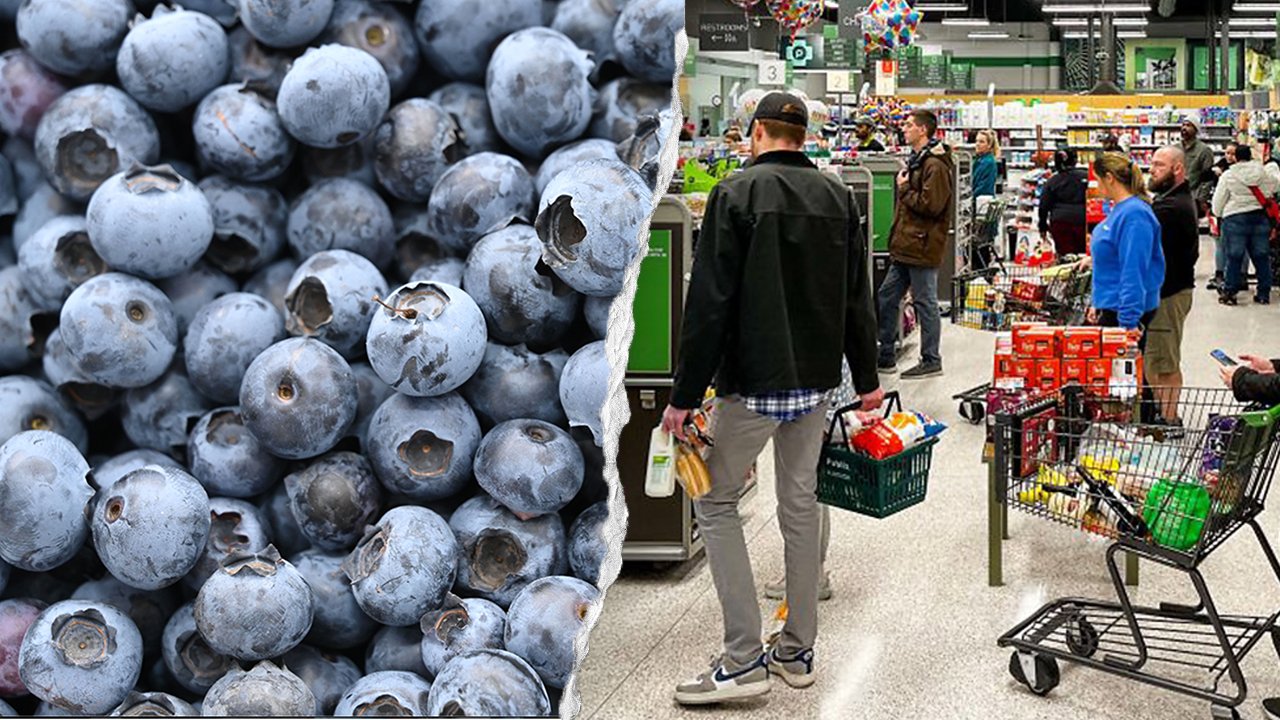
A Florida family has initiated a wrongful death lawsuit against Publix and food distributor Quirch Foods, alleging that contaminated GreenWise Organic frozen blueberries led to the tragic death of a woman and the hospitalization of her son. The litigation, filed in Pinellas County Circuit Court, centers on claims that the products were both defective and unreasonably dangerous.
Legal representatives from the firm Morgan & Morgan, representing the victim’s family, stated that the incident was entirely preventable. According to the complaint, Karla Mullins fell ill after consuming the berries, which were purchased at a Publix location on Ulmerton Road in Largo. Tragically, her son also consumed the product, resulting in a hospitalization. Ms. Mullins passed away on June 20, prompting her survivors to seek damages for the loss and the medical trauma endured by the family.
The Scope of the E. Coli Outbreak
The lawsuit follows an extensive series of product recalls prompted by a multistate outbreak of E. coli O145:H28. This specific strain of the bacteria is known to produce Shiga toxins, which can lead to severe health complications, including intense abdominal cramping, vomiting, and diarrhea.
The source of the contamination has been traced back to supply chain issues involving international providers. Frutas y Hortalizas del Sur S.A., a Chilean supplier, initiated an initial recall of a single lot of the berries on July 3. As the investigation by federal health authorities deepened, Publix was forced to issue a significant expansion of the recall on July 29, encompassing all lots of its GreenWise Organic Whole Blueberries and Whole Mixed Berries. The expansion was deemed necessary after the investigation linked the products to at least 12 reported cases of illness.
Legal Accountability and Industry Standards
In their public statement, the legal team for the Mullins family emphasized that their goal is to hold both the retailer and the distributor accountable for the safety of the products reaching store shelves. By targeting both entities, the lawsuit alleges a failure in the oversight process required to ensure that food items are free from pathogens before they are sold to the public.
Neither Publix nor Quirch Foods have provided a formal comment regarding the pending litigation. The case highlights the critical importance of supply chain transparency and the challenges retailers face in maintaining food safety protocols, particularly when dealing with third-party international distributors.
The Role of Data and Traceability in Food Safety
The tragic nature of this case underscores the ongoing necessity for advanced digital infrastructure within the global food supply chain. While this specific litigation focuses on liability and the health impact of the E. coli outbreak, it mirrors a broader trend in the tech industry: the push for enhanced traceability.
Modern retail and logistics companies are increasingly turning to data analytics, AI-driven monitoring, and blockchain-enabled tracking to mitigate the risks of contamination. By utilizing real-time sensor data and granular supply chain tracking, companies aim to identify and quarantine tainted batches of food long before they reach consumer shopping carts. As the legal proceedings move forward in Pinellas County, the case serves as a somber reminder of the high stakes involved in food distribution and the growing pressure on retailers to integrate more rigorous, technology-backed quality control measures to protect public health.
Disclaimer: This content is auto-generated for informational purposes only.
Source: Read Original News