






The Federal Reserve has officially pivoted to a tighter monetary stance, implementing its first interest rate hike in over three years on Wednesday. In a unanimous 12-0 decision, the Federal Open Market Committee (FOMC) raised the benchmark federal funds rate by 25 basis points, moving the target range to 3.75%–4%. This decision marks a significant shift for the central bank, which had kept rates unchanged throughout the first five meetings of 2026.
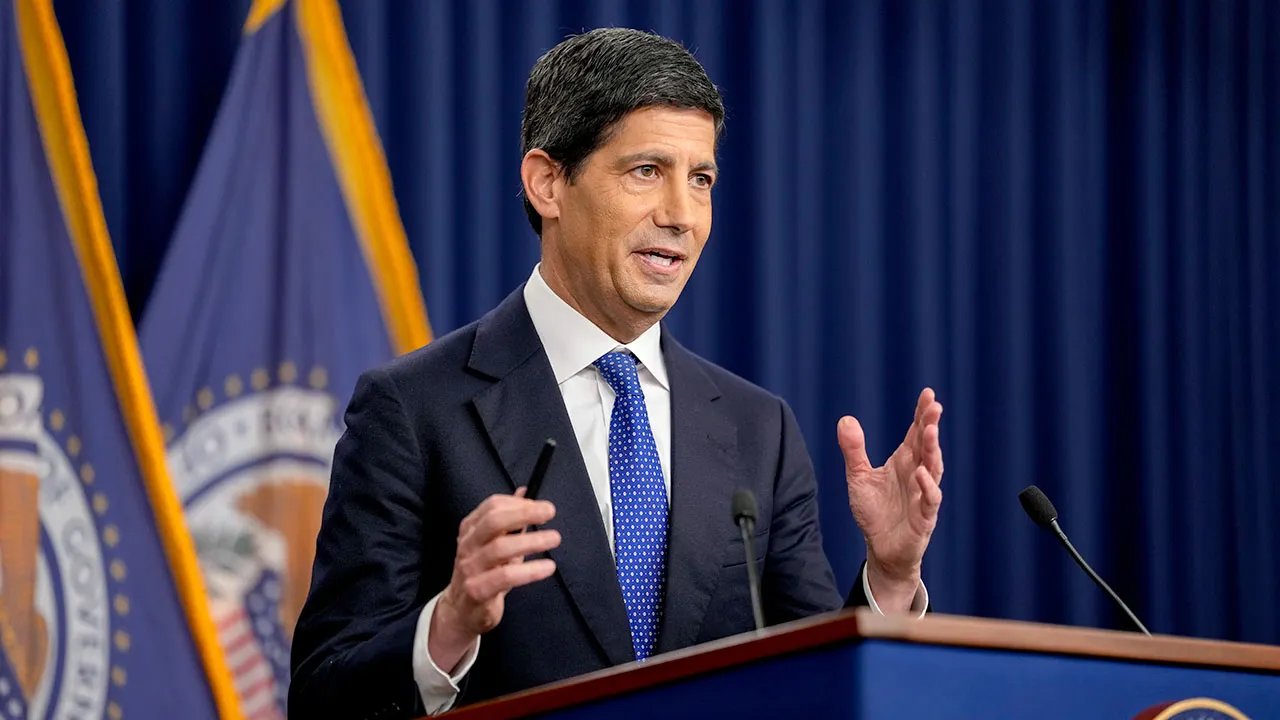
Fed Chair Kevin Warsh framed the increase as a necessary measure to combat persistent inflation that has lingered above the central bank’s 2% target for five years. While the Fed acknowledged that domestic spending remains resilient and labor markets are strong, officials signaled that the economy is finally reaching a point where preemptive action is required to ensure long-term price stability.
## Tech Industry and Capital Markets Feel the Heat
The move comes at a critical time for the broader economy, particularly for the technology sector. As the Fed tightens credit to curb inflation, the “hyperscalers”—large-scale cloud providers and tech giants—are navigating a more difficult environment for raising capital. During his press conference, Chair Warsh highlighted that a surge in capital expenditure by these companies is one of the primary factors driving up Treasury yields, which have hit their highest levels since 2023.
For the tech industry, the higher-rate environment changes the calculus for innovation and scaling. With the 10-year Treasury yield hovering near 5%, borrowing costs for long-term investments are rising. This environment is particularly impactful for AI-focused startups and hardware manufacturers, which depend on steady infusions of capital to build out energy-intensive data centers and train massive large language models. The “competition for capital” mentioned by Warsh suggests that tech firms will need to demonstrate higher productivity gains to justify their ongoing expansion during this cycle of restrictive interest rates.
## Balancing the Mandate Amid Geopolitical Uncertainty
Warsh pointed to three distinct drivers behind the current interest rate trajectory: sustained economic strength, rising competition for capital, and global geopolitical instability. The latter has introduced fresh volatility into commodity prices, particularly energy, which has effectively kept consumer inflation elevated.
Despite these headwinds, the Fed remains optimistic about the resilience of the American consumer. “The labor side of the Fed’s congressional remit is in good shape,” Warsh noted, pointing to a 4.1% unemployment rate and rising job openings. However, the committee is clearly prioritize price stability over further stimulus, effectively ending the period of policy inertia that defined the early half of the year.
## Market Reaction and Future Outlook
Wall Street’s reaction was immediate, with major indices showing signs of fatigue. Following the announcement, the Dow Jones Industrial Average dropped 1.3%, while the S&P 500 dipped 0.5%. Investors are now looking toward the October and December meetings to determine how aggressive the Fed intends to be with its “dot plot” projections.
Market analysts, including those from Goldman Sachs and Principal Asset Management, suggest that this is likely not a one-time move. With many experts predicting at least one more hike before the end of the year, the focus for investors has shifted toward how these elevated rates will affect future corporate earnings. As the Fed moves toward a more restrictive policy, the tech sector, in particular, will face pressure to prove that its aggressive spending on AI infrastructure can yield the productivity growth necessary to thrive in an era of higher borrowing costs.
For now, the central bank maintains that it will remain data-dependent, keeping a close watch on future CPI reports and energy price fluctuations to guide its next steps in the quest for price stability.
Disclaimer: This content is auto-generated for informational purposes only.
Source: Read Original News