









The Future of Football: Ben Foster Warns Against ‘Soft-Launch’ of Controversial Hydration Breaks
The 2026 World Cup introduced several radical changes to the beautiful game, but none have sparked as much ire among fans and professionals alike as the mandatory “hydration breaks.” Now, former England goalkeeper Ben Foster has raised a sobering alarm: what began as a tournament-specific measure could eventually become a permanent, commercialized fixture in club football.
The “Quartering” of the Game
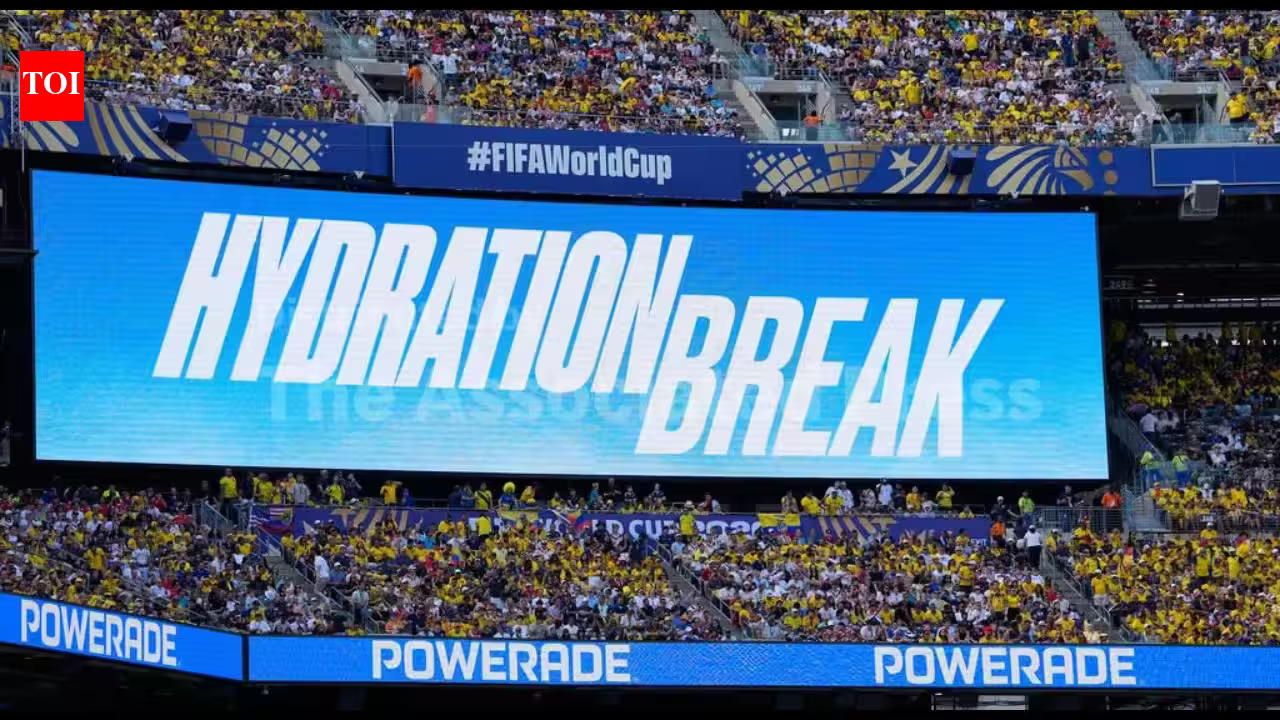
At the 2026 World Cup, FIFA implemented mandatory three-minute breaks midway through each half. This structural shift effectively transformed a continuous 45-minute period of play into two distinct segments, turning a 90-minute match into what critics describe as a contest of “quarters.”
The disruption has drawn sharp criticism from high-profile figures. USMNT head coach Mauricio Pochettino famously dismissed the necessity of the breaks, stating, “I don’t like it. I only like it when the conditions are extreme. But when the conditions are good, it is unnecessary.”
Beyond the tactical interruption, the commercial implications have not gone unnoticed. With broadcasters leveraging these windows for advertising—reportedly charging hundreds of thousands of dollars for short spots—many observers fear that the breaks are driven more by revenue potential than athlete welfare.
Foster’s Fear of Commercial Creep
Ben Foster, who amassed over 550 professional appearances throughout his career, expressed his deep concern during an appearance on talkSPORT. He emphasized that the breaks don’t just kill the momentum of a game; they pose physical risks, particularly for aging players.
“If you’re an older player—32 onwards—you can stiffen up so quickly,” Foster noted. “I would like to think they have bikes in the changing room because they will have to get moving pretty quick.”
However, the ex-goalkeeper’s primary fear is the inevitable encroachment of these rules into elite club competitions like the Champions League. Foster draws a parallel to the implementation of VAR, arguing that once football authorities invest significant capital into a new system, it becomes nearly impossible for fans or players to push back.
“Where there’s money to be made, there’s a way,” Foster warned. “They will find a reason to justify it. They will do a soft launch in the Champions League, for example, you watch. Clubs will say, ‘Oh, we get an extra million quid.'”
Where Does the Premier League Stand?
While the fear of change is palpable, the Premier League has moved to quell concerns for the immediate future. The league has confirmed that it will not introduce mandatory, blanket hydration breaks for the 2026-27 season. Under current guidelines, cooling breaks remain strictly reserved for instances where temperatures exceed 30°C (86°F), with the referee retaining the authority to mandate them based on pitch-side conditions.
Despite these assurances, the broader debate continues. With the introduction of other changes—such as the extended, Super Bowl-style half-time shows seen at the World Cup—the traditional identity of a football match is evolving rapidly. For purists like Foster, the battle to preserve the rhythm and flow of the sport is becoming an increasingly difficult fight against the encroaching influence of commercialization.