









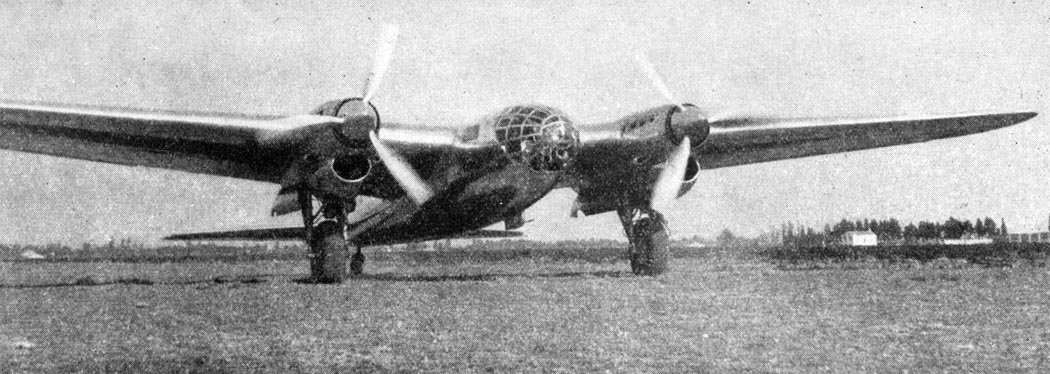
PARIS – The final chapter of one of France’s most ambitious aviation projects has come to a close. The Amiot 370, a marvel of 1930s engineering once celebrated for shattering world speed and endurance records, has been dismantled for scrap, ending a tumultuous journey that spanned the pre-war golden age of flight through the devastation of the Second World War.
Born from the French Air Force’s 1933 “Bombardement Combat Renseignement” requirements, the aircraft began its life as a promising military design. However, manufacturer Amiot eventually pivoted the project toward civilian applications, specifically aiming to honor the 10th anniversary of Charles Lindbergh’s historic solo trans-Atlantic flight. The result was the sleek, aerodynamic Amiot 370, a mail-carrying powerhouse that eschewed weapons for speed and range.
Making its maiden flight at Istres on July 25, 1937, the aircraft was a masterpiece of refinement. By replacing heavy radial engines with two 860-hp liquid-cooled Hispano-Suiza 12Y inline engines, designers achieved a clean, efficient profile. Featuring a spacious, well-windowed front section that integrated the pilot and navigator, the 370 was capable of reaching speeds of 295 mph and boasted an extraordinary range of 4,300 miles.
Throughout 1938 and 1939, the Amiot 370 dominated the headlines. Under the command of pilot Maurice Rossy, the aircraft set a string of world records, including a staggering 10,000-kilometer endurance flight that remained aloft for 33 hours. It became a symbol of French aeronautical ingenuity, yet its success remained singular; only one prototype was ever constructed.
The outbreak of World War II halted all hopes for mass production. During the German occupation, the aircraft’s fate became inextricably tied to the volatile politics of the era. Despite being restored to flying condition in 1941 under the scrutiny of German and Italian observers, the aircraft saw only limited service. In a final act of defiance in November 1942, French workers sabotaged the plane to prevent its potential capture or use by Axis forces.
The aircraft sat in a state of disrepair for years following the liberation of France. While hopes remained that this record-breaker might one day be restored to its former glory, those plans were formally abandoned this year. The decision to scrap the airframe serves as a somber reminder of the many technological advancements that were silenced by the conflict.
As the last components of the Amiot 370 are broken down, aviation historians note that while the aircraft is gone, its legacy as a trailblazer of long-range, high-speed mail transit remains firmly etched in the history books of early 20th-century aviation.
Disclaimer: This content is auto-generated for informational purposes only.
Source: Read Original News