







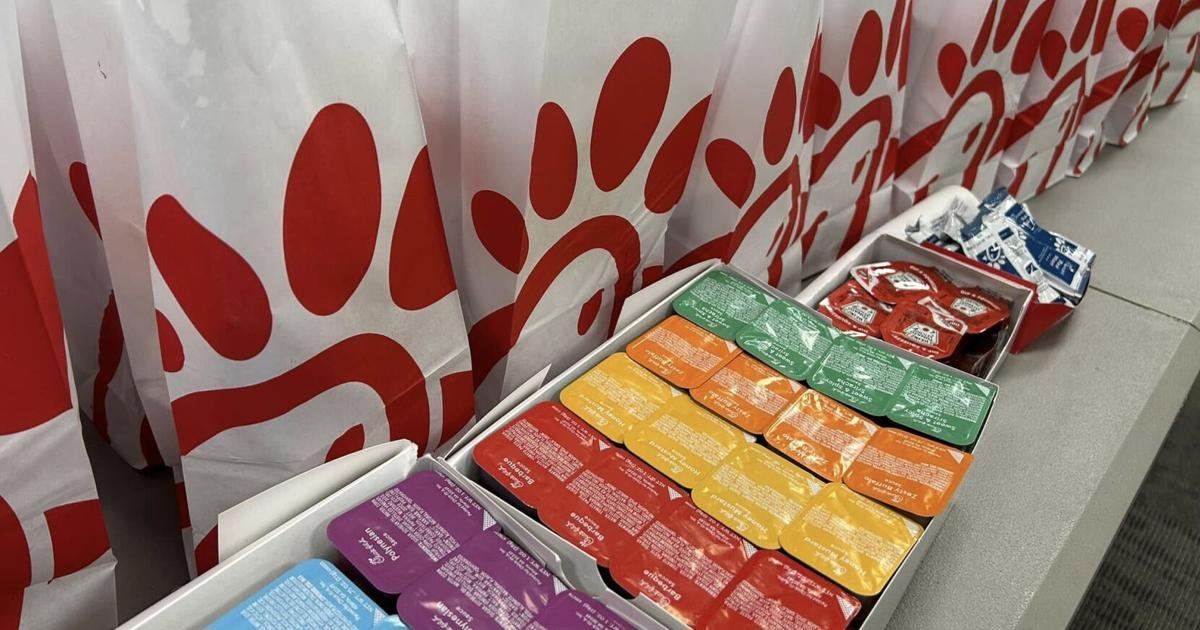
CHARLESTON, W.Va. — The familiar red-and-white Chick-fil-A signage at the Charleston Town Center is preparing to go dark, marking yet another significant departure as the downtown shopping mall edges closer to a final shuttering. The restaurant, a staple for local professionals and shoppers for years, will cease operations, serving as the latest indicator of the shifting landscape for urban commercial real estate.
As physical retail centers grapple with the dual pressures of changing consumer habits and the rapid acceleration of digital commerce, the plight of the Charleston Town Center mirrors a broader trend across America. While legacy malls struggle to keep their anchors, the tech industry is simultaneously reshaping how commerce is conducted, analyzed, and delivered.
The Digital Transformation of Retail
The decline of traditional malls is inextricably linked to the rise of platforms like Google Shopping and the sophisticated AI-driven algorithms that now power consumer behavior. Where once a customer would walk into a mall to discover new products, they now turn to Google’s search engine, which has evolved into a personalized shopping assistant.
Through the integration of Generative AI, Google is changing how users find products, offering “virtual try-ons” and detailed visual search capabilities that effectively bring the retail experience into the home. By utilizing Google Lens to identify products in the real world and cross-referencing them with global inventory, the tech giant has reduced the necessity for the “browsing” experience that once fueled mall traffic. For a restaurant like Chick-fil-A, which relies heavily on high-foot-traffic environments, the migration of the consumer to digital storefronts presents an existential challenge.
How AI and Data Analytics Predict Commercial Shifts
The exit of major brands from struggling malls is rarely a surprise to those monitoring real-time data. Today, commercial real estate developers and retail analysts leverage tools like Google Cloud’s BigQuery and advanced geospatial AI to track foot traffic patterns and predict the long-term viability of specific retail locations.
By analyzing anonymized location history and search trends, businesses can determine with startling accuracy whether a brick-and-mortar investment will yield returns or result in losses. In the case of Charleston, the data likely paints a bleak picture of diminished foot traffic, prompting businesses to prioritize delivery-centric models or suburban locations over downtown centers. As artificial intelligence models become more adept at predictive analytics, we are likely to see a trend where retail occupancy is determined more by data-backed “smart city” planning than by traditional leasing agreements.
The Future of Urban Spaces and Connectivity
While the closure of the Charleston Chick-fil-A is a blow to the downtown core, the conversation in tech circles is shifting toward how these hollowed-out spaces can be repurposed. Urban planners are increasingly looking toward “smart city” initiatives—many supported by tech infrastructure grants—that integrate IoT (Internet of Things) sensors to manage urban traffic, energy consumption, and connectivity.
Some experts suggest that as malls vacate, the underlying infrastructure can be repurposed for localized data centers or tech-enabled logistics hubs. With Google’s continued investment in regional data infrastructure, the transition of commercial real estate from retail space to the digital backbone of the community is becoming a plausible outcome.
As the Charleston Town Center prepares for its next chapter, the departure of its most popular food vendors serves as a poignant reminder: the era of the mega-mall is being supplanted by an era of hyper-connected, AI-driven convenience. Whether the city can leverage its existing infrastructure to attract tech-driven alternatives remains the central question for Charleston’s urban renewal efforts. For now, however, the loss of this iconic location signals the end of an era for the downtown shopping experience.
Disclaimer: This content is auto-generated for informational purposes only.
Source: Read Original News