






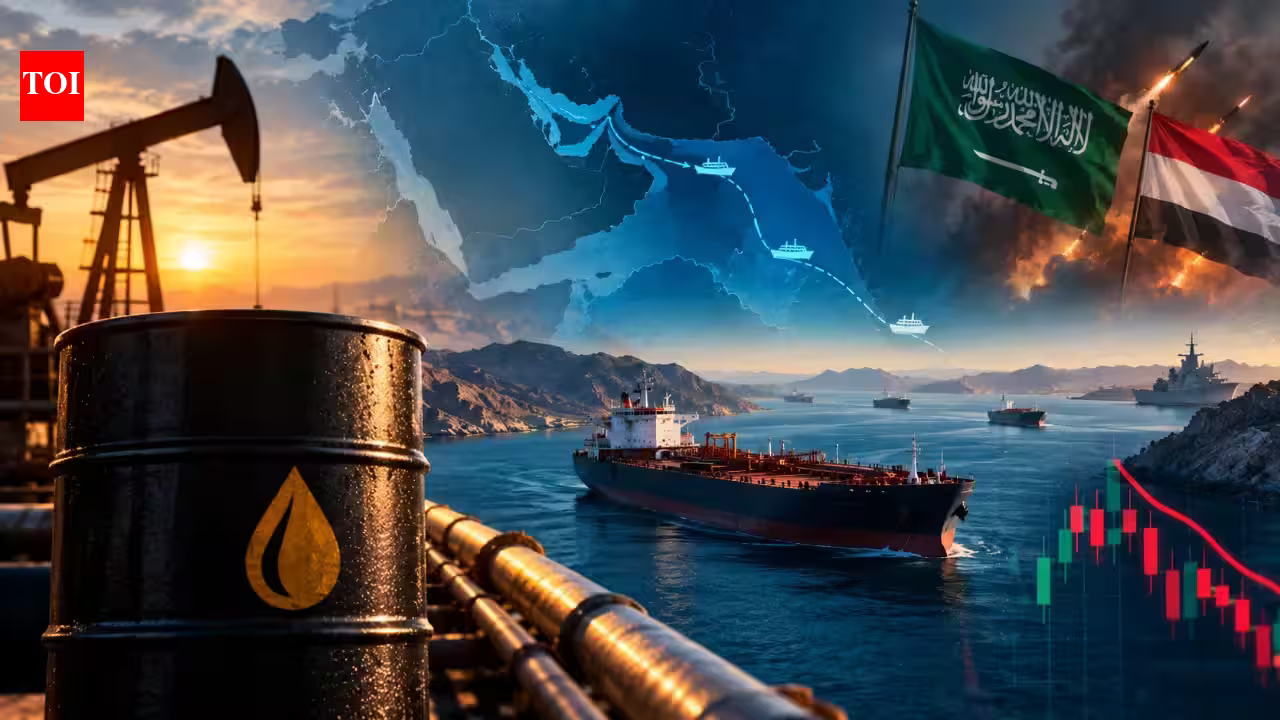
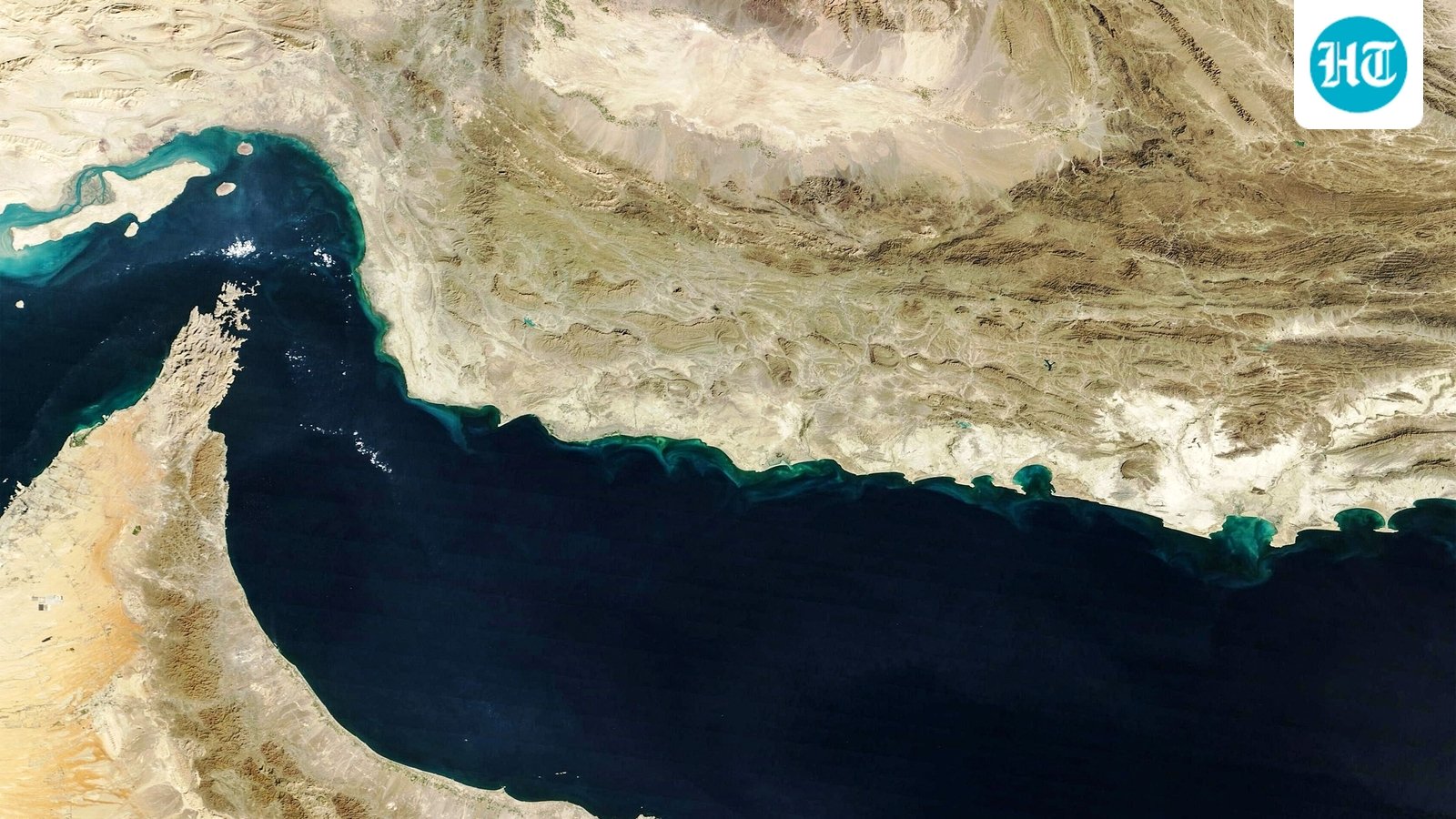
Amid the ongoing tensions surrounding the Strait of Hormuz, the crucial waterway through which nearly one-fifth of the world’s oil transits, the Iranian navy fired at two India-flagged tankers north of Oman. New Delhi has strongly protested against the incident and summoned the Iranian ambassador to India to convey its discontent.
The incident has raised major concerns over maritime security as the attack on Indian tankers occurred despite Tehran saying that countries that are not supporting the US-Israel conflict against Iran won’t be targeted. The concerns also trigger alarm over the global energy crisis, which was also witnessed in India.
What happened in the Strait of Hormuz?
Two Indian tankers, Jag Arnav and Sanmar Herald, came under direct fire from the Iranian navy shortly after reports of Indian ships being forced to turn back from the Strait of Hormuz.
Jag Arnav, a bulk carrier under India’s flag, was travelling from Al Jubai in Saudi Arabia to India. Meanwhile, Sanmar Herald, carrying about two million barrels of Iraqi oil, was en route to India.
New Delhi lodged a strong protest with Iran over the incident and summoned the Iranian ambassador to India to seek reasons for the firing, HT reported earlier.
The Iranian envoy, Dr Mohammad Fathali, met with ministry of external affair’s joint secretary for the Pakistan-Afghanistan-Iran desk.
The ministry said in a statement that the ambassador of Iran undertook to convey New Delhi’s views to the Iranian authorities.
India’s oil imports
India imports more than 85 per cent of its crude oil — the majority of which is from the Gulf region — making it the world’s third-largest oil importer. Most of the oil from the Gulf transits through the Strait of Hormuz to reach India.
Earlier this month, defence minister Rajnath Singh assured that India has sufficient stocks of petrol, diesel and cooking gas to handle any crisis amid the ongoing US-Iran conflict, urging people not to pay attention to rumours about shortages.
“We have petrol, diesel, cooking gas – all available, and we have adequate reserves. The government is continuously ensuring that no crisis arises even after two to three months,” he said at an event in Uttar Pradesh’s Lucknow.
Last month, the petroleum ministry also stated that India has approximately 60 days of actual fuel stock cover, assuring that there is no shortage of petrol, diesel or LOG anywhere in the country.
The ministry said that all 100,000-plus retail fuel outlets are operating without interruption and that not a single outlet has been asked to ration supply. It also said that India is currently receiving more oil from over 41 of its suppliers than was previously arriving through the Strait of Hormuz, according to an earlier HT report.
“Nearly two months of steady supply is available for every Indian citizen, regardless of what happens globally. The quantity in strategic cavern storage becomes secondary in such a supply situation. Therefore, any representation that India’s reserves are depleted or insufficient should be dismissed with the disdain it deserves,” the ministry said.
8 India tankers transit Hormuz amid chokehold
Despite the full-scale war in West Asia, India has maintained steady maritime traffic through the Strait of Hormuz, with eight India-linked vessels having safely passed through the critical waterway since February 28.
The vessels include Shivalik, Nanda Devi, Jag Laadki, Pine Gas, Jag Vasant, BW Tyr, BW Elm and Green Sanvi, helping energy security and related concerns in India.
Does India have a plan B?
If the re-closure of the Strait of Hormuz wasn’t tension enough, the recent firing on two Indian tankers in the critical waterway has also triggered maritime as well as energy concerns.
However, MEA spokesperson Randhir Jaiswal affirmed last week that India “continues to buy oil from diversified sources“, keeping in mind the energy security needs and the current international markets.
“…We continue to buy oil from diversified sources, keeping in mind the energy security needs of 1.4 billion people, the current situation in the international market, and the global situation we have to deal with,” he said during an inter-ministerial briefing on recent developments in West Asia.
Jaiswal also said that India is in discussions with several countries regarding the Strait of Hormuz.