








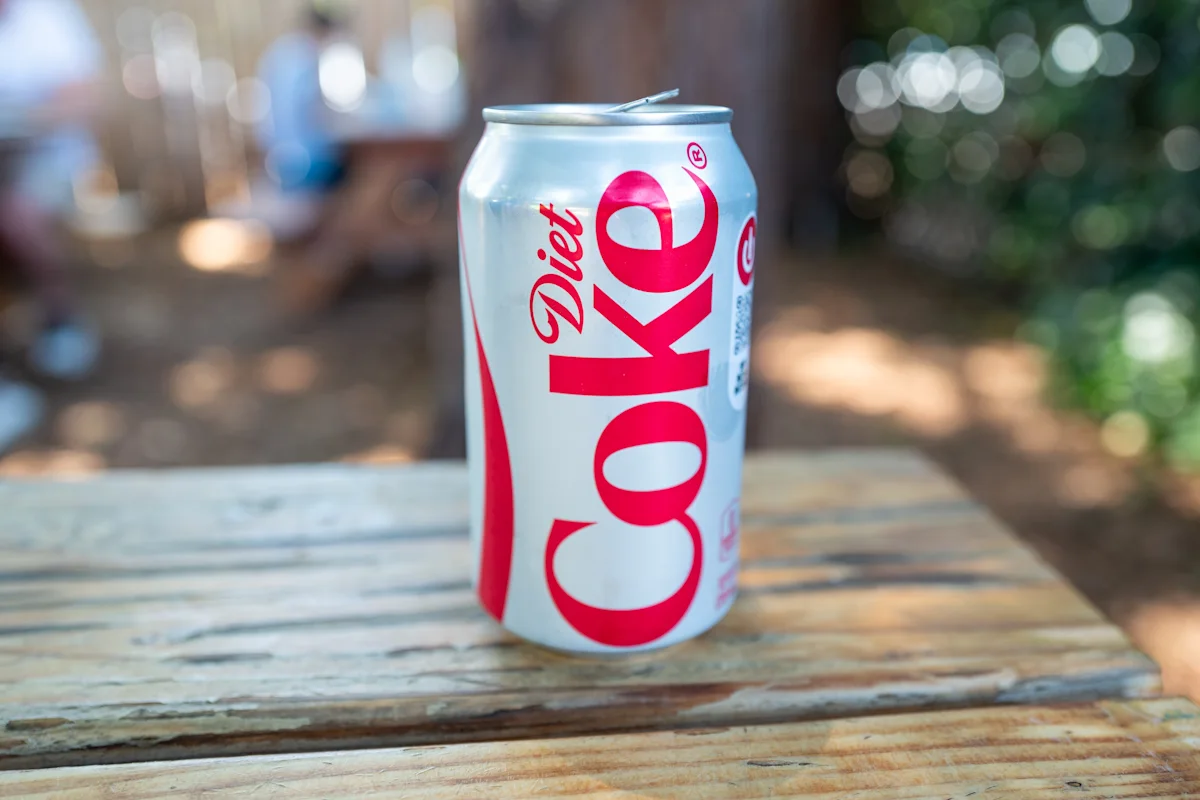
Coca-Cola (KO) delivered a strong performance in its third quarter, exceeding Wall Street’s expectations on both the top and bottom lines. However, despite the positive financial results and a boost to its annual forecast, the beverage giant’s stock faced downward pressure during premarket trading as investors reacted to signs of cooling demand in the North American market.
### Strong Q3 Results Amid Rising Costs
For the third quarter, Coca-Cola reported adjusted earnings of $0.91 per share, comfortably beating the $0.88 anticipated by analysts. Revenue also surpassed projections, reaching $13.4 billion against an estimated $12.9 billion. A key driver of this growth was a 5% increase in total unit case volume, which significantly outperformed the roughly 3% growth expected by market watchers. The surge was largely fueled by consumer interest in healthier alternatives, with Coke Zero sales jumping 16% year-over-year, while Diet Coke and Coca-Cola Light saw a 6% increase.
Despite these gains, the company continues to navigate a challenging economic landscape, particularly regarding operating expenses. North American operations have been hampered by high input costs, with leadership pointing to geopolitical instability in the Middle East as a primary factor in rising fuel prices. These elevated energy costs have, in turn, inflated the price of aluminum—a critical material for the company’s massive global bottling network.
CFO John Murphy noted that while price increases remain an option to combat these pressures, the company is taking a cautious, regional approach. Decisions on pricing are being made delicately, with management closely monitoring local competitive dynamics and shifting consumer behavior before passing costs along.
### Updated Outlook and Strategic Expansion
Despite the headwinds, management expressed optimism about the firm’s trajectory. Coca-Cola has raised its full-year earnings growth forecast to 11%, a notable jump from its previous projection of 9% to 10%, and a significant improvement over earlier guidance of 8% to 9%. CEO Henrique Braun, who stepped into the role earlier this year, emphasized that the current results underscore the organization’s “sustained momentum.”
The company is also looking toward new growth channels. During the quarter, Coca-Cola secured a major agreement with KFC, a subsidiary of Yum! Brands. Under the deal, Coca-Cola will replace PepsiCo as the primary beverage supplier for thousands of domestic KFC locations. While PepsiCo will maintain its supply contracts with KFC for international markets, the domestic switch represents a substantial tactical win for Coca-Cola as it aggressively pursues market share in the fast-food sector.
### A Shifting Digital Landscape: The Role of Data and AI
While Coca-Cola’s core business remains focused on manufacturing and logistics, the modern consumer goods industry is increasingly reliant on the digital infrastructure provided by companies like Google. As organizations like Coca-Cola navigate supply chain disruptions and shifting consumer demand, they are turning to advanced cloud computing and artificial intelligence to better manage their operations.
Data-driven insights allow global corporations to optimize inventory, predict regional demand shifts with greater accuracy, and manage the complex logistics of global bottling operations. By leveraging advanced analytics, companies can more effectively execute the “regional pricing strategies” mentioned by CFO John Murphy, using machine learning models to determine exactly how and when to adjust pricing based on real-time economic data. As AI integration continues to transform traditional sectors, the ability to synthesize massive amounts of operational data has become as vital as the product itself, providing the structural agility needed to thrive in a volatile global market.
Disclaimer: This content is auto-generated for informational purposes only.
Source: Read Original News