







The Mechanics of Aggressive User Interface Design
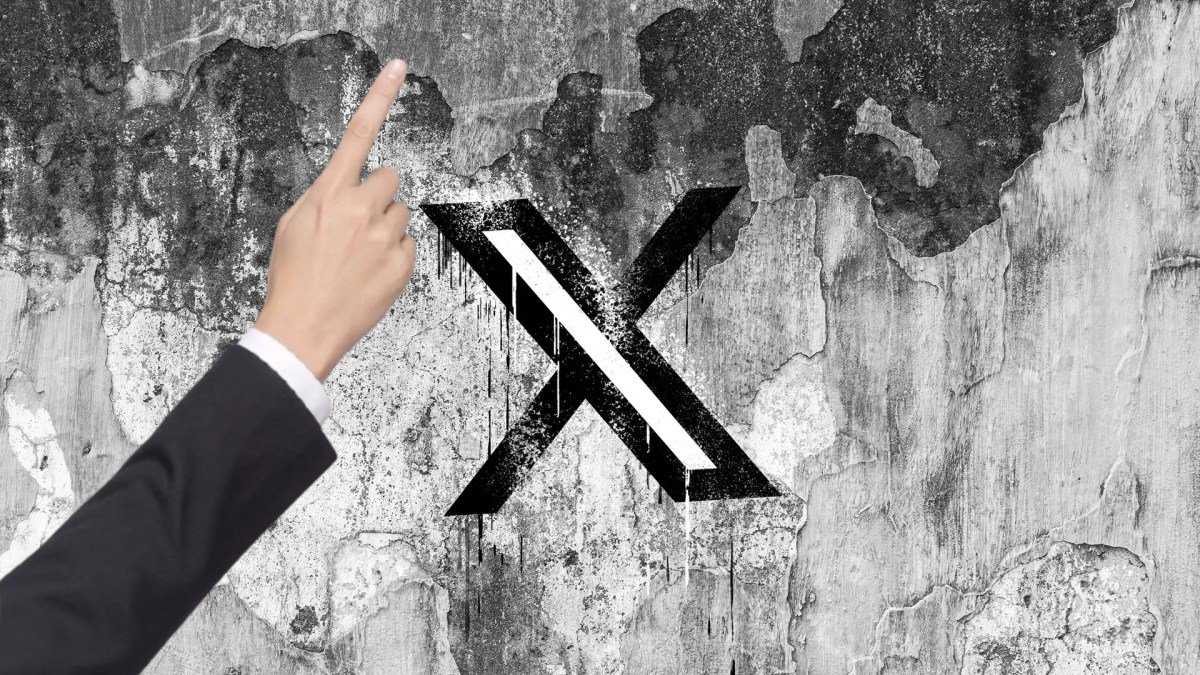
In the modern digital landscape, the fine line between user engagement and obstruction has become increasingly porous. Interface designers have long utilized visual cues to guide user behavior, but a recent, peculiar update on X has pushed this concept to a controversial extreme. Users drafting posts on the platform have reported the sudden appearance of a prominent, animated hand graphic that physically points toward the “promote” button. This visual intervention arrives with little warning, appearing during the composition process to draw immediate attention to the platform’s advertising tools.
The implementation of such an aggressive visual element highlights a shift in product strategy. Rather than relying on subtle iconography or passive menu indicators, this intervention uses high-contrast, kinetic motion to force a point of interaction. From a technical design standpoint, this is a form of dark pattern—a design element intentionally crafted to trick or nudge users into performing an action they might not have otherwise taken. By interrupting the primary task of content creation with a directive to spend capital on post-promotion, the platform is prioritizing immediate conversion metrics over the continuity of the user writing process.
Analyzing the Effectiveness of Obstructive UI
While the visual hand has sparked widespread criticism for its intrusive nature, there is a complex rationale behind such disruptive design choices. In software development, the goal is often to increase the “click-through rate” (CTR) for specific revenue-generating features. When a user is in the “flow” of writing a post, their cognitive load is high; they are focused on articulation and content structure. An unexpected, high-motion graphic creates a sudden “pattern interrupt,” forcing the user to stop, acknowledge the UI element, and consciously dismiss it or interact with it.
This technique is frequently associated with growth-oriented product management. By forcing the “promote” button into the user’s peripheral vision—or in this case, directly into their workspace—the system dramatically increases the discoverability of monetization tools. However, the tradeoff is significant. By cluttering the UI with jump-scare-level interventions, the platform risks degrading the overall quality of the writing experience. Users generally prefer a clean, distraction-free environment; when that environment is compromised, the primary product—the content itself—may suffer as users become frustrated by the platform’s insistence on monetization.
Leadership Transitions and Product Strategy
The emergence of this interface change coincides with a significant leadership shift at X. Peter Sellis, who previously held product leadership roles at Snap and Discord, has officially assumed the position of head of product. This transition follows the departure of Nikita Bier, whose tenure was marked by aggressive growth tactics and iterative testing of viral loop mechanisms. The timing of the hand-pointer UI has led many industry observers to speculate about the new direction the product team is taking under Sellis.
Whether this specific feature is a direct byproduct of the new leadership’s roadmap or a residual test from the previous administration remains a point of debate. Sellis enters the role with a background in platform scalability and community-centric features. His public announcement regarding his appointment hinted at a focus on the core mission of the platform, yet the immediate presence of a highly visible monetization nudge suggests that revenue pressure remains a primary driver for the product team. This balance between fostering authentic community discourse and driving financial performance is the central challenge for any incoming product chief.
User Sentiment and the Risk of Over-Optimization
The vocal backlash from the user base serves as a crucial data point in the ongoing debate over UI optimization. When a design element is perceived as too invasive—frequently compared to jump scares or “spooky” pranks—it can result in a net negative for the platform’s health. Users do not merely weigh the functionality of an app; they weigh the quality of their interaction with it. When a platform feels like it is constantly attempting to monetize every keystroke, the perceived value of the platform as a public square diminishes.
This dynamic creates a risk of “optimization fatigue.” As companies push for higher ad conversion, they often lose sight of the long-term retention metrics that sustain a platform. If the user experience becomes so burdened by intrusive nudges that the act of posting becomes tedious, even loyal power users may seek alternatives. The current response to the “pointing hand” illustrates that there is a threshold of tolerance, and when that threshold is crossed, the community will utilize the very platform being criticized to voice their disapproval, turning the tool against its own designers.
The Future of Monetization UI
As social media platforms continue to mature, the pressure to demonstrate profitability will inevitably lead to more experiments with aggressive UI. We are likely to see more A/B testing where specific subsets of users are exposed to increasingly bold prompts. The key for developers is to determine at what point an intervention stops being an effective nudge and starts being an obstacle that degrades the product.
Moving forward, the focus should shift toward contextual relevance. Instead of generic, high-obtrusion graphics that appear for every user, more sophisticated systems could utilize machine learning to determine if a post is intended for a wider audience, and only then suggest promotion tools in a non-disruptive, native way. By moving away from “one-size-fits-all” aggressive tactics, developers can improve their conversion outcomes without alienating the core audience. For now, however, the “pointing hand” remains a stark example of how platform design is increasingly subservient to the immediate needs of the advertisement engine, regardless of the cost to user satisfaction.
Disclaimer: This content is auto-generated for informational purposes only.
Source: Read Original News