








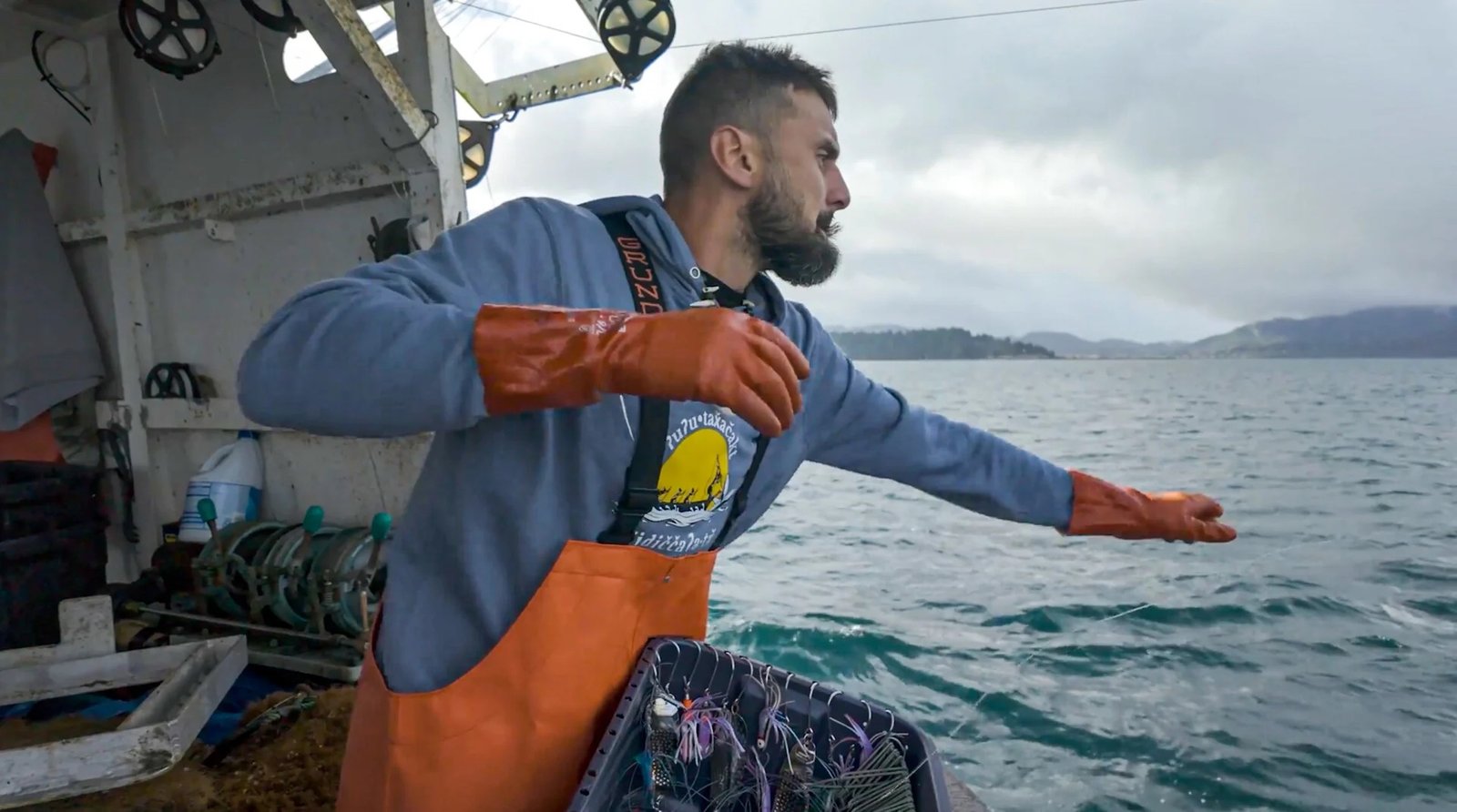
The Makah Tribe is set to receive a significant infusion of federal support following the announcement of a $5.5 million disaster relief package dedicated to offsetting years of devastating salmon fishery losses. The funding, confirmed by the National Oceanic and Atmospheric Administration (NOAA) on October 22, arrives as part of a broader $15.8 million allocation designated for tribal and state fishery recovery efforts across Washington, California, and Florida.
This financial lifeline, authorized by Congress under the American Relief Act of 2025, aims to mitigate the long-term economic and cultural damage caused by record-low salmon returns. For the Makah Tribe, the grant is a critical step in stabilizing an industry that serves as the backbone of their local economy and cultural heritage.
## Addressing Years of Economic Volatility
The $5.5 million allocation is segmented to address specific historical failures in the regional salmon runs. Approximately $4.4 million of the total is earmarked to recover losses stemming from the 2020 and 2021 ocean treaty troll fishery seasons. The remaining $1.1 million is focused on the Fraser River sockeye salmon fisheries, which faced federally declared disasters across four separate years: 2019, 2020, 2021, and 2023.
In official documentation submitted to NOAA, the Makah Tribe outlined a complex web of environmental pressures that forced the closure of these fisheries. These include shifting ocean temperatures, increased competition for marine prey, and physical barriers such as landslides that have hindered the ability of salmon to successfully navigate their spawning routes. The cumulative effect of these challenges not only decimated the income of local commercial fishermen but also disrupted the tribe’s ability to provide salmon for essential subsistence and traditional ceremonies.
## Technological Integration in Modern Fishery Management
While the relief package addresses the financial gap left by ecological disasters, the broader conversation in the fishing industry is shifting toward how technology can mitigate future volatility. The scientific community, supported by NOAA’s data-driven initiatives, is increasingly relying on AI-powered predictive modeling to monitor fish populations in real-time.
Advanced sonar systems and automated underwater sensors, often integrated with cloud-based analytics platforms, are becoming standard tools for biologists attempting to track run sizes. By utilizing Google Cloud’s data processing capabilities and machine learning frameworks, researchers can now analyze large datasets related to water temperature, currents, and migratory patterns with greater speed. These technical updates help agencies like NOAA and tribal resource managers make more informed decisions about when to allow fishing and when to trigger emergency closures to protect stocks.
## The Path to Recovery and Next Steps
Despite the federal authorization, the funding is not yet available for immediate disbursement. The Makah Tribe, along with other recipients in the relief package, must navigate the formal application process to secure the grants. According to NOAA Fisheries, the federal agency will issue formal funding opportunity letters, after which the tribe will have a 120-day window to submit their detailed grant proposals.
This financial injection is expected to provide some relief to tribal members whose livelihoods were jeopardized by the environmental decline of the Pacific Northwest waters. As the tribe prepares its applications, federal agencies and environmental scientists continue to monitor the long-term health of the salmon runs. The integration of modern technology and rigorous scientific oversight remains a priority, as experts hope that better data collection—facilitated by digital infrastructure—will enable more proactive resource management in the face of an unpredictable climate. For the Makah Tribe, the priority remains clear: restoring the resilience of their fisheries and ensuring that their centuries-old relationship with these waters can be sustained for generations to come.
Disclaimer: This content is auto-generated for informational purposes only.
Source: Read Original News