








The Architecture of the M6 Processor
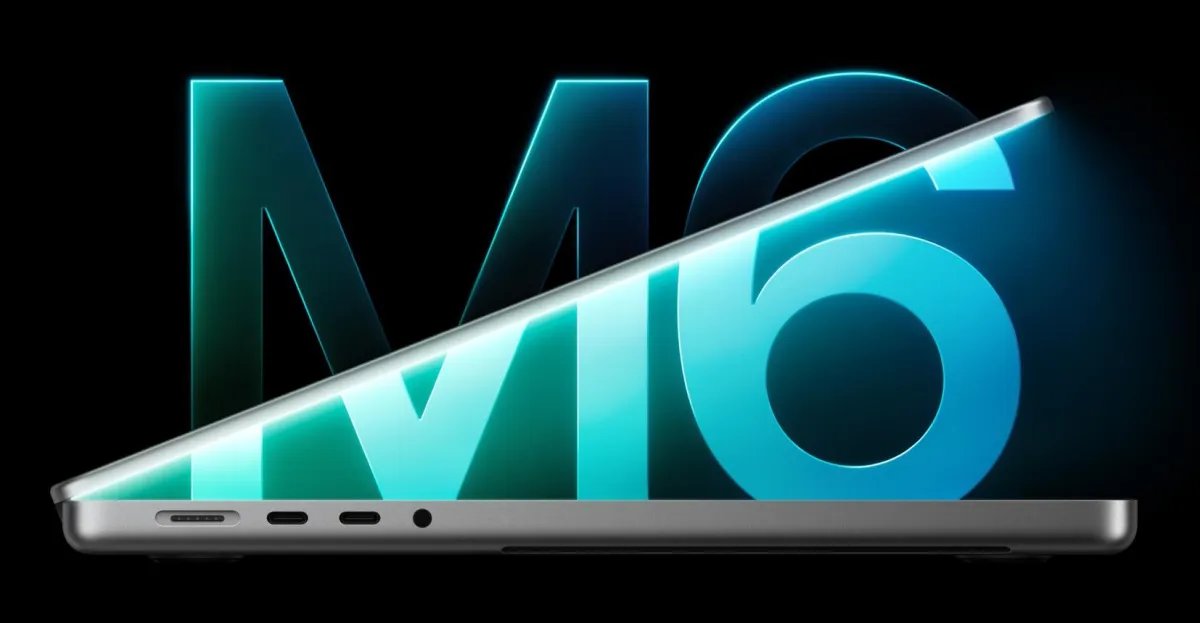
The core of the 2026 MacBook Pro update is the introduction of the M6 processor, representing a significant shift in Apple silicon architecture. Built on a 2nm manufacturing process, the M6 marks a transition to higher transistor density, allowing for greater efficiency and raw computing power in the same thermal envelope. The chip features a 12-core CPU, providing a notable increase from the 10-core configuration found in the previous M5 iteration. Apple reports that this hardware refinement delivers up to 1.2x faster multithreaded performance, a boost that will be felt primarily by users running intensive workloads such as software compilation, high-resolution video rendering, or data analysis.
Beyond general processing, the M6 places a heavy focus on localized machine learning. It integrates a Dual 16-core Neural Engine, specifically engineered to handle complex on-device artificial intelligence tasks without offloading them to the cloud. Complementing this is an upgraded 12-core GPU, which now features a dedicated Neural Accelerator within every individual core. By integrating these accelerators directly into the graphics processing unit, the machine can handle parallel compute tasks more effectively. This design choice ensures that AI-driven features, such as image processing, real-time noise reduction in audio, and large language model interactions, run with lower latency and higher energy efficiency.
Advanced Connectivity and Wireless Infrastructure
A critical, albeit specialized, update for the 2026 14-inch model is the inclusion of the Apple N1 wireless networking chip. Previously reserved for the high-end M5 Pro and M5 Max configurations, this component is now standard across the entry-level M6 line. The N1 chip enables support for Wi-Fi 7 and Bluetooth 6, representing a massive jump in wireless communication standards. Wi-Fi 7 offers lower latency, higher throughput, and more reliable connections in crowded environments by leveraging wider channels and improved multi-link operation.
Bluetooth 6, meanwhile, provides better data integrity and enhanced ranging capabilities, which may pave the way for more precise device proximity tracking and improved performance for wireless peripherals. For professionals who rely on external connectivity, the physical port layout remains robust. The machine retains three Thunderbolt 4 USB-C ports that support charging and DisplayPort output, alongside a dedicated MagSafe 3 charging port. The presence of a full-size HDMI port and an SDXC memory card slot ensures that the machine remains a viable tool for photographers, videographers, and content creators who require direct media ingestion and versatile external display output without relying on dongles or hubs.
Visuals and Physical Design Continuity
The design aesthetic of the 14-inch MacBook Pro remains largely unchanged, adhering to the established chassis that has defined this product line for several cycles. Users will find the same high-fidelity 12MP Center Stage camera integrated into the display, maintaining continuity for video conferencing applications. The Liquid Retina XDR display continues to be the centerpiece of the device, offering extreme dynamic range and high brightness levels essential for professional color-accurate workflows.
Apple has retained the nano-texture glass as an optional configuration, which is particularly relevant for environments with challenging lighting conditions. By etching the glass at the nanometer level, the screen effectively scatters incoming light to reduce glare while maintaining contrast and color depth. While some users may have expected a chassis redesign, the retention of this form factor allows the MacBook Pro to maintain compatibility with existing accessories, docks, and specialized storage solutions that many professional users have already invested in.
Pricing Adjustments and Market Realities
The pricing strategy for the 2026 MacBook Pro reflects both the technical advancements and the shifting global supply chain. The base model, starting at $1,999 with 16GB of memory and 1TB of storage, keeps the entry price point identical to the previous generation. However, the cost of scaling hardware has shifted. Due to current global memory shortages affecting the semiconductor industry, Apple has adjusted the pricing tiers for internal storage upgrades.
Upgrading to 2TB now commands an additional $500, while the high-capacity 4TB configuration incurs a $1,500 premium. These costs are a direct reflection of the market value for high-density, high-speed flash storage. Despite these increases, the memory tiers remain consistent with previous releases, with the 24GB upgrade priced at $2,199 and the 32GB model at $2,399. These tiers are designed to accommodate a wide range of use cases, from standard professional computing to intensive development work, allowing users to tailor their investment based on the specific memory and storage requirements of their software stacks.
Impact on Professional Workflows
The impact of the M6 update is most pronounced for users whose workflows demand high sustained performance and rapid data throughput. With the increased core count and the inclusion of the Neural Accelerator in the GPU, the machine is better equipped for the modern era of computing where AI-assisted tools are becoming standard in creative and development software. Furthermore, the efficiency gains inherent in the 2nm architecture suggest that the device will maintain its reputation for excellent battery life, despite the increase in raw power.
For professional users, the integration of Wi-Fi 7 and Bluetooth 6 ensures that the device is future-proofed against upcoming network infrastructure upgrades, providing the bandwidth necessary for cloud-based collaboration and remote server access. By focusing on internal silicon efficiency and modernizing wireless connectivity, the 2026 MacBook Pro aims to provide a reliable, high-performance foundation for users who view their laptop as an essential piece of infrastructure. The consistency in design, while incremental, serves the needs of professional environments where familiarity and hardware reliability are as important as pure clock speed. Preorders for the new unit begin October 28th, with broad availability starting on November 6th.
Disclaimer: This content is auto-generated for informational purposes only.
Source: Read Original News