







India-Nepal Ties Strengthen: Strategic Collaboration in Focus Following Flash Floods
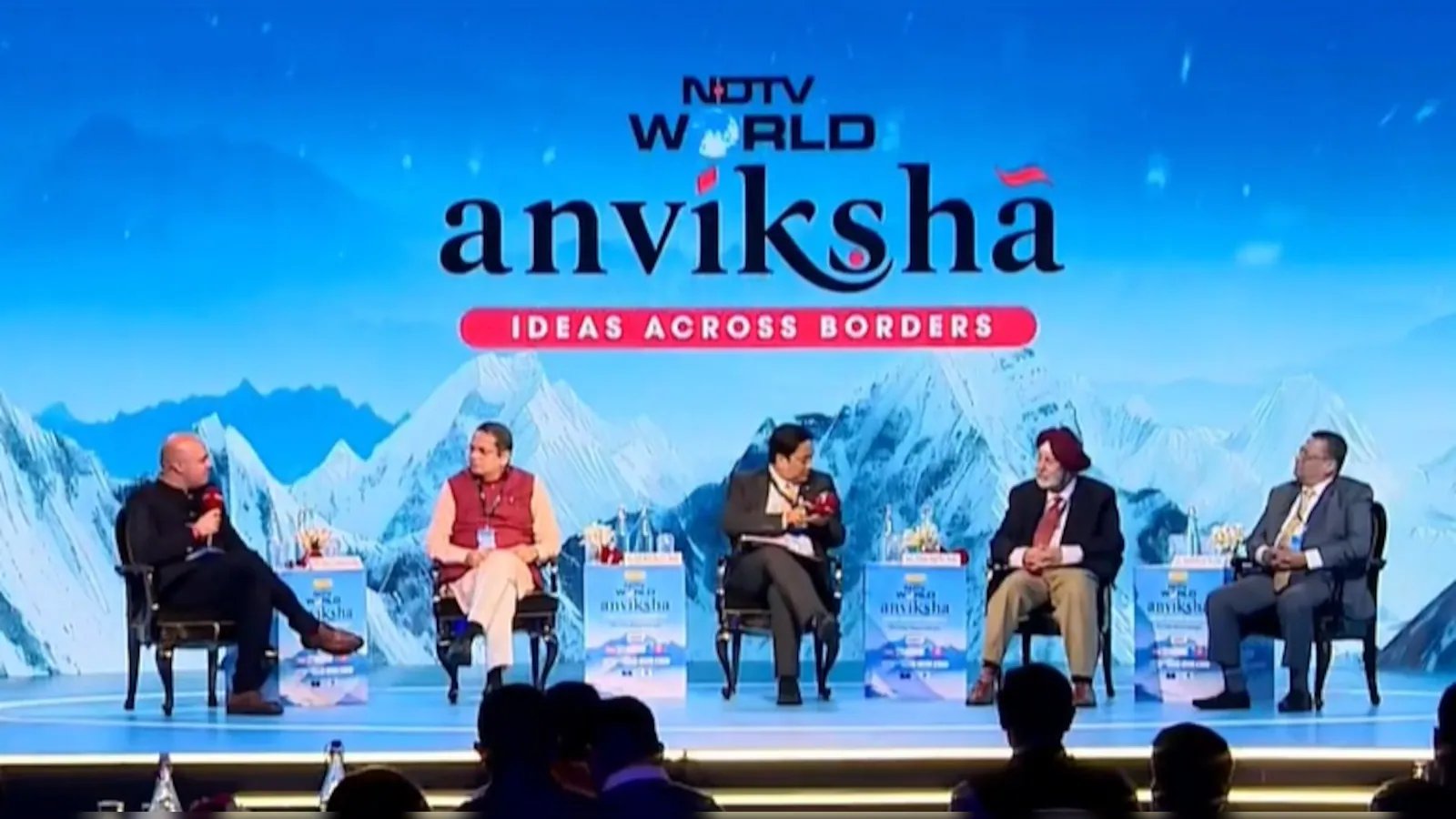
KATHMANDU – The diplomatic bond between India and Nepal remains robust, underscored by a swift and coordinated response to a recent natural catastrophe. Panelists at the NDTV World Anviksha Summit in Kathmandu highlighted that the growing partnership between the two neighbors is entering a new chapter of mutual cooperation and development.
The summit followed a high-level conversation between Indian Prime Minister Narendra Modi and his Nepalese counterpart, Prime Minister Balen Shah. Their discussion was prompted by a series of devastating flash floods that originated in Tibet and swept through provinces in Nepal, destroying infrastructure, washing away villages, and impacting critical power facilities. In a move reflecting the strength of regional ties, India emerged as the first responder, mobilizing immediate support for the affected areas.
A Relationship of Continuity
Experts at the summit emphasized that the prompt communication between the two heads of state was not merely diplomatic protocol, but a reflection of a deeply embedded connection.
“PM Modi’s conversation with Balen Shah reflects the closeness between India and Nepal and also the help received during the 2015 earthquake,” said Major General Binoj Basniyat, a strategic analyst and retired Nepal Army officer. He noted that the disaster serves as a broader geopolitical signal: “It appears that the floods are also a warning to collaborate—through nature, ecology, and institutions.”
Manjeev Singh Puri, former Indian ambassador to Nepal, echoed this sentiment, describing the call as a “natural” extension of the two nations’ shared history. Despite shifting leadership dynamics, Puri noted that the fundamental connection between the countries remains steadfast.
Support Without Interference
Addressing concerns regarding shifting political landscapes, Dr. Vijay Chauthaiwale, in-charge of foreign affairs for the BJP, asserted that India’s policy toward Nepal is rooted in respect for democratic processes. He invoked PM Modi’s 2014 mandate, stating, “We are here to support and not to interfere.”
Dr. Chauthaiwale emphasized that India continues to treat the current Nepalese government with the same respect as its predecessors, noting that the ongoing, flash floods act as a litmus test for regional resilience. He confirmed that an invitation has been extended for Prime Minister Shah to visit India, which would continue the tradition of frequent high-level bilateral exchanges.
A Generational Shift
The discussion also touched upon the demographic changes defining modern Nepal. Dr. Nishchal N. Pandey, Director of the Centre for South Asian Studies in Kathmandu, observed that the “big change” in Nepal is the empowerment of the younger generation.
“The young generation, who were earlier desperately trying to migrate, now have options at home,” Dr. Pandey said, noting that the current cabinet includes professionals educated in India, Australia, and the U.S. This shift toward a globally connected, well-educated leadership is expected to further enhance, rather than complicate, bilateral relations.
As the summit concluded, the consensus among experts was optimistic. Despite the environmental and political challenges inherent in the Himalayan region, the trajectory of Indo-Nepal relations remains clear: “I believe the best is yet to come,” Dr. Pandey added.