







Maharashtra Leads Passenger and Commercial Vehicle Sales in Q1; UP Dominates Two-Wheeler Market
NEW DELHI: India’s automotive sector saw a distinct regional shift during the first quarter of the 2027 fiscal year, according to the latest data released by the Society of Indian Automobile Manufacturers (SIAM). The report highlights a clear divergence in consumer preferences across the country, with Maharashtra cementing its position as the hub for passenger and commercial vehicles, while Uttar Pradesh maintains its stronghold on the two-wheeler and three-wheeler segments.
A Strong Start for Passenger Vehicles
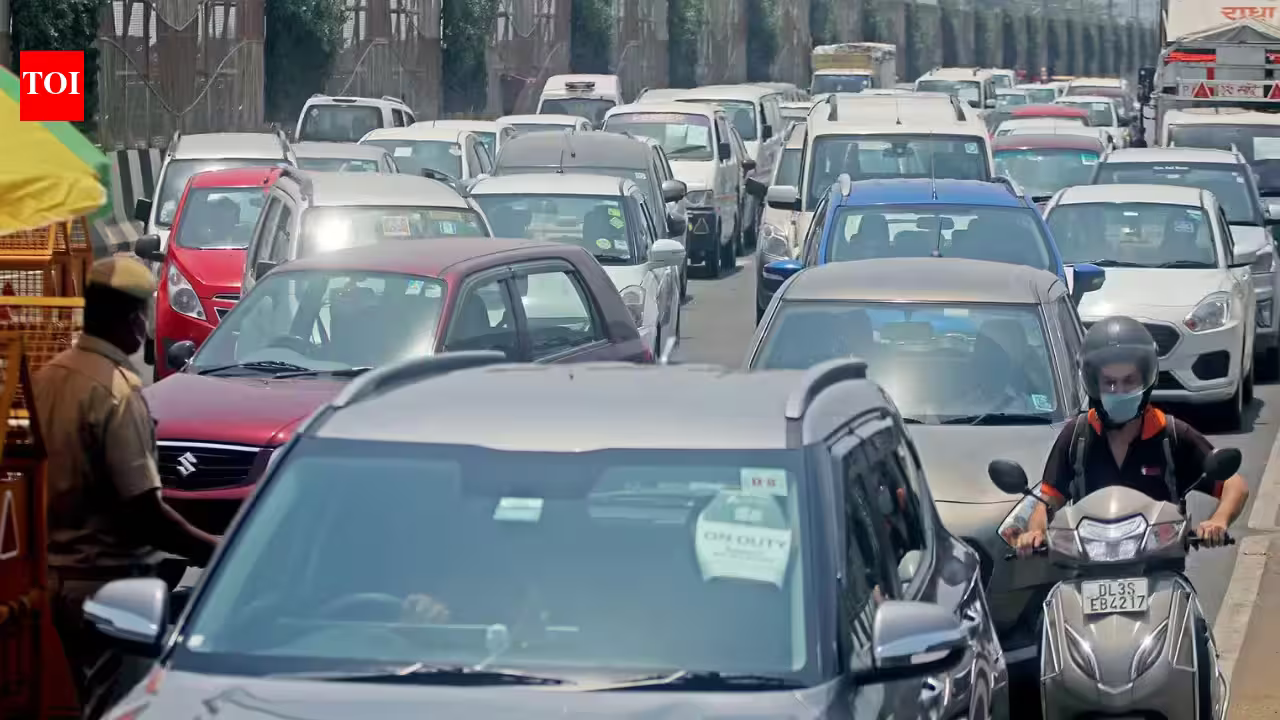
During the April-June quarter, the Indian market saw robust activity in the passenger vehicle segment, with total sales exceeding 12.7 lakh units. Maharashtra emerged as the clear leader in this space, recording sales of nearly 1.5 lakh units. The state was followed by Uttar Pradesh, Gujarat, Karnataka, and Tamil Nadu, rounding out the top five contributors.
On a regional scale, the western zone performed exceptionally well, contributing 3.9 lakh units to the national tally, reflecting the high demand for mobility solutions in India’s industrial and financial heartland.
The Two-Wheeler Surge
While passenger vehicles showed steady growth, the two-wheeler market remained the volume driver of the industry. With approximately 56.3 lakh units sold during the quarter, the segment continues to dominate India’s roads.
Uttar Pradesh, in particular, proved to be a powerhouse for the two-wheeler industry, accounting for over 8.8 lakh units. This massive volume highlights the essential role that affordable, personal mobility plays in the state’s economy. The stark divide between the top states for passenger cars and those for two-wheelers underlines the varied socio-economic drivers and infrastructure requirements across different Indian regions.
Market Implications
The Society of Indian Automobile Manufacturers (SIAM) report provides critical insights for original equipment manufacturers (OEMs) looking to refine their regional strategies. As the industry moves toward further electrification and evolving emission standards, understanding these regional hubs—Maharashtra for premium/commercial segments and Uttar Pradesh for high-volume two-wheelers—will be vital for future sales targets and distribution networks.
As FY27 progresses, analysts will be watching closely to see if these trends hold or if emerging markets in southern and northern states begin to challenge the current leaders in the passenger and commercial vehicle space.