








GUWAHATI, India (AP) — The flood crisis in India’s northeastern Assam state continued to be critical on Monday, with the death toll reaching 100 after two additional fatalities were reported overnight, according to officials.
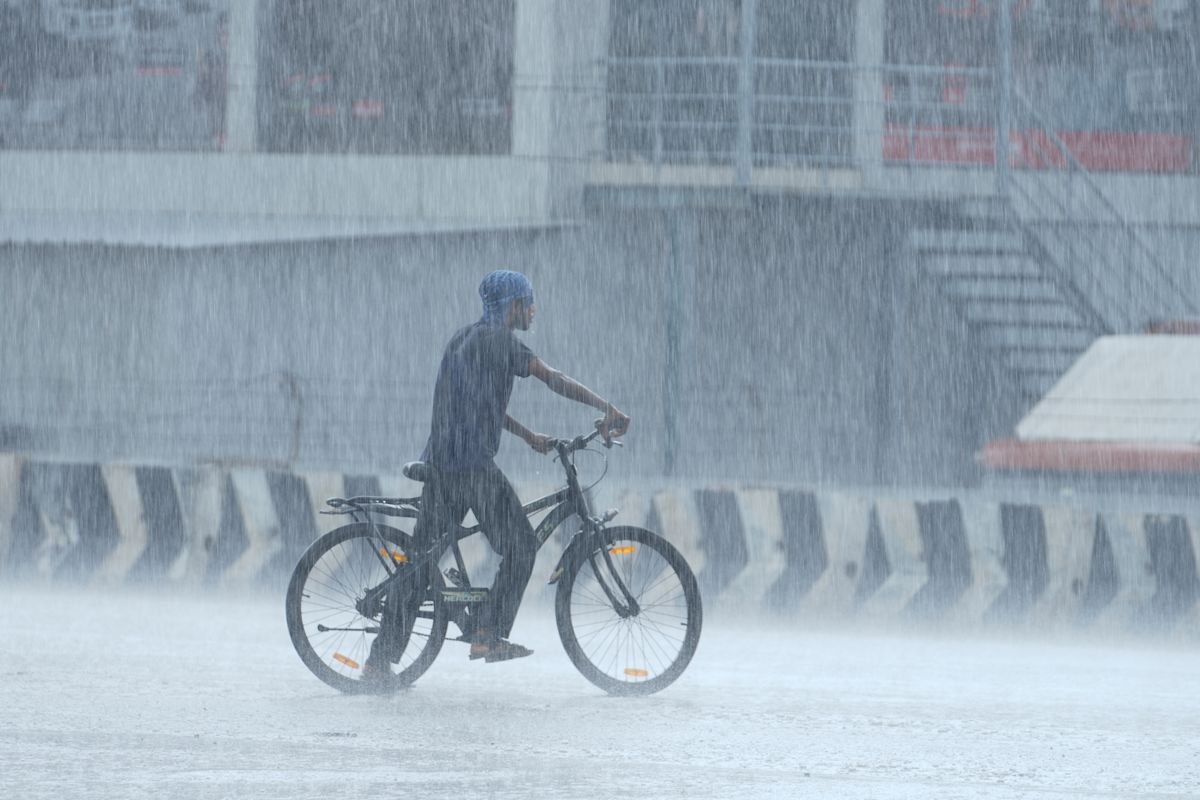
Several rivers in the region remain above danger levels, increasing the risk of further flooding in areas already vulnerable. The Assam State Disaster Management Authority reported that days of heavy monsoon rain have caused rivers, including the Brahmaputra, to overflow, inundating communities, disrupting livelihoods, and damaging crucial infrastructure.
The Brahmaputra, one of Asia’s largest rivers, originates in China’s Tibet region and flows approximately 900 kilometers (560 miles) through Assam. Its swollen waters have flooded numerous villages, swept away homes, and forced nearly 300,000 people into government-run relief camps, officials confirmed.
The floods, which began last month, have displaced over 700,000 people, submerged vast expanses of farmland, and damaged roads and other local infrastructure. While many residents have started returning to their homes as floodwaters recede, at least 49,000 flood-affected individuals are still housed in 125 relief camps and distribution centers, officials stated.
Authorities are actively engaged in relief and monitoring efforts, working to assess the full extent of the damage and the immediate needs of the affected populations.
The floods have also had a devastating impact on livestock, with a significant number of cattle lost. This poses a severe blow to rural communities and raises concerns about potential disease outbreaks. In areas where waters have receded, many families are returning to homes buried under thick layers of silt, adding to the complexities of recovery.
Assam Agriculture and Irrigation Minister Pijush Hazarika, following a review meeting, announced, “We have directed officials to complete damage assessment as soon as possible so the government could provide financial assistance for their rehabilitation.” He also mentioned that interim monetary compensation has already been provided to some 500,000 affected people.
Annual monsoon seasons frequently trigger severe flooding in Assam, where swollen rivers routinely inundate large areas and displace thousands of residents each year.
Experts suggest that human-caused climate change is intensifying South Asia’s monsoons. These monsoons traditionally occur from June to September and again from October to December. However, the previously predictable rainfall patterns are now characterized by erratic bursts that deliver extreme amounts of water in short periods, often followed by prolonged dry spells.