









Tragedy struck in Palm Beach County on Sunday afternoon when a private business jet nosedived into a residential area, resulting in the death of all nine people on board. The Learjet 60, which had departed from Austin-Bergstrom International Airport in Texas, was reportedly en route to the Bahamas before it crashed at approximately 12:50 p.m.
The incident, which U.S. Transportation Secretary Sean Duffy described on X (formerly Twitter) as a “horrific tragedy,” has prompted an immediate investigation led by the National Transportation Safety Board (NTSB) with support from the Federal Aviation Administration (FAA). While authorities have not yet confirmed the identities of the passengers or the precise cause of the mechanical failure, the event has drawn intense focus from federal aviation regulators and regional emergency services.
Eyewitness Documentation and Digital Analysis
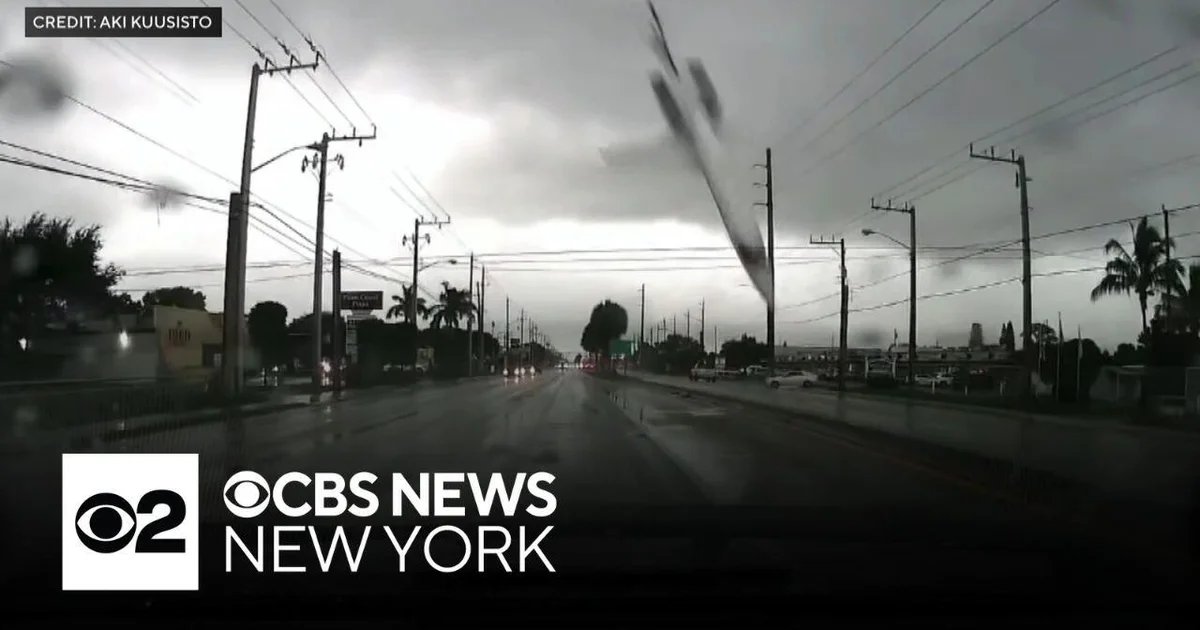
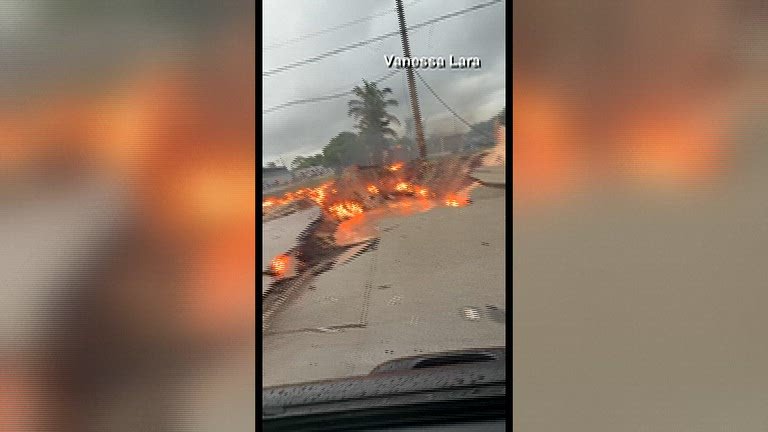
The final moments of the flight were captured in chilling detail by witnesses on the ground, many of whom used smartphones to record the aircraft as it plunged toward the earth. The footage, which has circulated rapidly across digital news platforms and social media, shows the plane striking near a busy roadway, missing nearby houses by a narrow margin before erupting into a massive fireball.
In the modern aviation era, such crowdsourced video evidence is becoming an increasingly vital component of incident documentation. Analysts often use these high-definition clips, alongside automated flight data, to reconstruct the trajectory of a crash. In this case, the footage shows thick black smoke rising over the crash site, an image that quickly dominated Google News feeds and trended across algorithmic platforms as citizens sought real-time updates on the disaster.
AI and Tech’s Role in Aviation Safety
The aviation industry is currently undergoing a massive digital transformation, with Artificial Intelligence playing an expanding role in both flight safety and post-crash investigation. Modern aircraft like the Learjet 60 rely on sophisticated avionics systems that generate vast amounts of telemetry data. Following a crash, investigators utilize AI-driven data processing tools to parse thousands of parameters—ranging from engine performance to sensor feedback—to determine if a human error or a mechanical malfunction caused the descent.
Furthermore, cloud-based reporting systems allow the FAA to coordinate responses faster than in previous decades. As the NTSB prepares to conduct its forensic analysis, they will rely on these integrated digital frameworks to compare the flight’s final movements against historical simulation data. This intersection of aerospace engineering and data science is essential for modern air safety, ensuring that even in the aftermath of a catastrophic event, lessons are logged into global databases to prevent future occurrences.
The Response from Local and Federal Authorities
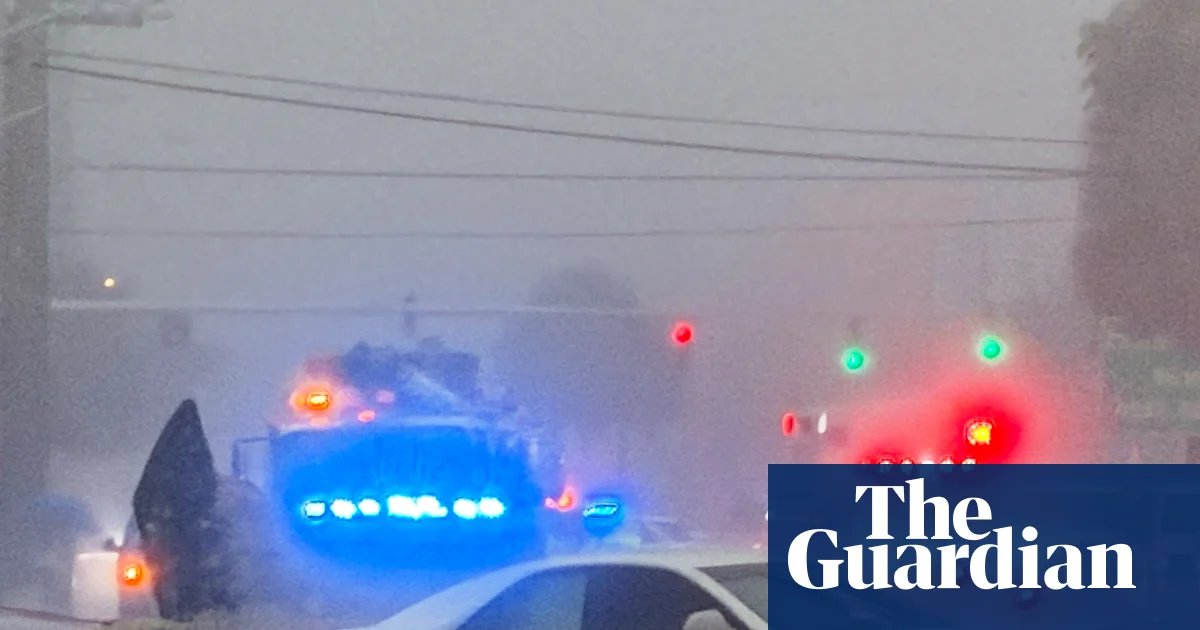
The Palm Beach County Sheriff’s Office took immediate action to cordon off the area near Military Trail and 10th Avenue North, urging the public to avoid the crash site to allow fire crews and investigators to work safely. The impact caused localized infrastructure issues, including a power outage that persisted for several hours after the crash.
As the investigation moves forward, the tech industry continues to play a quiet but significant role. From the digital mapping software used by emergency responders to the social media platforms acting as the primary source for breaking news, the digital age dictates how we consume and process such profound losses. While the focus remains on the grieving families and the technical cause of the crash, the integration of technology in these high-stakes investigations continues to be a defining factor in modern aviation accountability. The FAA has confirmed that their team is now on-site to assist in recovering the flight data recorders, which will provide the definitive narrative of the final moments of the flight.
Disclaimer: This content is auto-generated for informational purposes only.
Source: Read Original News