









TALLAHASSEE, Fla. – As Florida grapples with the rapid expansion of digital infrastructure, a new state law is reshaping how massive data centers interact with the state’s electricity grid and water resources. The legislation, which took effect July 1, 2026, seeks to balance the demand for high-tech development with the preservation of local resources and public oversight.
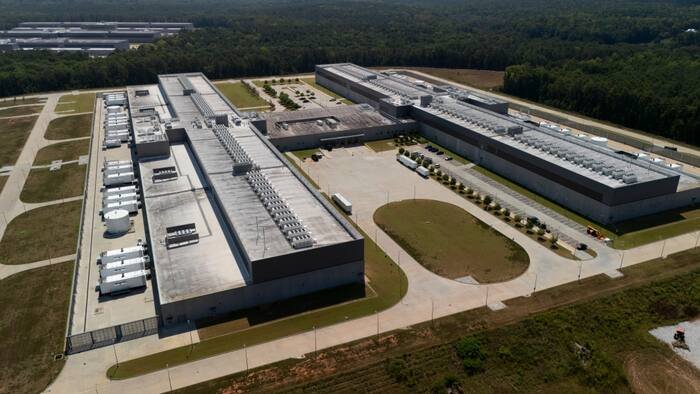
The law, Chapter 2026-65, focuses on “large-scale data centers”—facilities with a monthly peak electric load of at least 50 megawatts. Under the new mandates, these facilities are now required to bear the full cost of their service, effectively preventing the financial burden of new utility infrastructure from shifting onto residential ratepayers.
The Florida Public Service Commission (PSC) has been tasked with establishing strict tariff requirements by March 1, 2027. These measures may include upfront infrastructure contributions, long-term service contracts, and demand charges, ensuring that major energy users pay their fair share for connection, transmission, and grid maintenance.
Water usage, often a point of contention for energy-intensive cooling systems, is also under tighter scrutiny. Applicants seeking to use more than 100,000 gallons of water per day must now submit detailed conservation plans and cannot be approved without a public hearing. Furthermore, the law mandates the use of reclaimed water whenever it is technically and economically feasible, prioritizing the protection of Florida’s aquifers and surface-water supplies.
The legislation arrives amidst a wave of local concern. In June, Nassau County commissioners implemented a 12-month moratorium on data-center applications to allow a specialized committee to study the long-term impact on local infrastructure and the environment. While the state law preserves local zoning and planning authority, it explicitly bars public agencies from using nondisclosure agreements to hide development details from residents, aiming to increase transparency in the permitting process.
The topic has also emerged as a defining issue in the 2026 gubernatorial race. Democratic candidate David Jolly has campaigned on a promise to implement an immediate moratorium on hyperscale data centers, arguing that the pace of development currently outstrips the state’s ability to mitigate environmental and public-health risks.
Conversely, Republican U.S. Rep. Byron Donalds contends that development decisions should remain squarely in the hands of local governments. Donalds argues that by focusing on rigorous water-permitting and fair-cost utility tariffs, the state can accommodate necessary economic growth without compromising the interests of everyday Floridians. He has promised to release a state-commissioned study on the infrastructure impacts of these facilities by June 2027.
As the PSC works to finalize its rules, officials emphasize that while data centers are a critical component of modern life—powering everything from AI and banking to cloud storage—they must now operate under a framework that mandates fiscal accountability and environmental stewardship. For now, counties continue to navigate the balance, utilizing their local planning codes to ensure that the growth of the digital age does not come at the expense of Florida’s communities.
Disclaimer: This content is auto-generated for informational purposes only.
Source: Read Original News