






The Evolution of the Forza Horizon Engine
The Forza Horizon franchise has long served as a technical benchmark for open-world racing titles. With the release of Forza Horizon 6, Playground Games introduced a revamped version of their proprietary ForzaTech engine. This iteration places a heavy emphasis on dynamic global illumination, advanced ray-tracing techniques, and high-fidelity texture streaming that allows for expansive, seamless environments without the need for traditional loading screens. By pushing the boundaries of current hardware, the development team has managed to increase the density of environmental objects and foliage while maintaining a consistent 60 frames per second on high-end hardware.
One of the most notable technical improvements involves the implementation of a real-time weather and atmosphere system. Unlike previous titles that utilized pre-baked lighting solutions, Forza Horizon 6 calculates light refraction through volumetric clouds and varying humidity levels in real time. This contributes significantly to the visual depth of the game, as sunlight and rain interact with the road surfaces and vehicle chassis with physical accuracy. These engine-level upgrades are not merely aesthetic; they are designed to impact the traction physics and environmental feedback, requiring players to adapt their driving style to the specific surface conditions governed by these complex simulations.
Strategic Expansion and Lifecycle Management
Since the initial launch of Forza Horizon 6 on Xbox Series X|S and PC, Playground Games has maintained a rigorous update schedule. By delivering monthly content rotations and incremental performance patches, the studio has managed to refine the user experience based on telemetry data gathered from millions of active players. However, the community has remained focused on the anticipated arrival of the first major expansion packs. These DLC drops are traditionally designed to introduce significant new landmasses, unique gameplay mechanics, and specialized vehicle lists that distinguish the expansion from the base map.
The delay of these expansion packs has led to a shift in how the development roadmap is perceived. While free content updates continue to address quality-of-life improvements and bug fixes, the silence regarding the larger, paid content drops has sparked debate regarding the long-term production timeline. Playground Games maintains that the content is in active development, aiming to ensure that the scale and technical complexity of the expansions meet the standards set by the base game. This measured pace suggests a focus on stability and performance optimization, ensuring that new content does not introduce regression in the game’s core mechanics.
The Multi-Platform Expansion Strategy
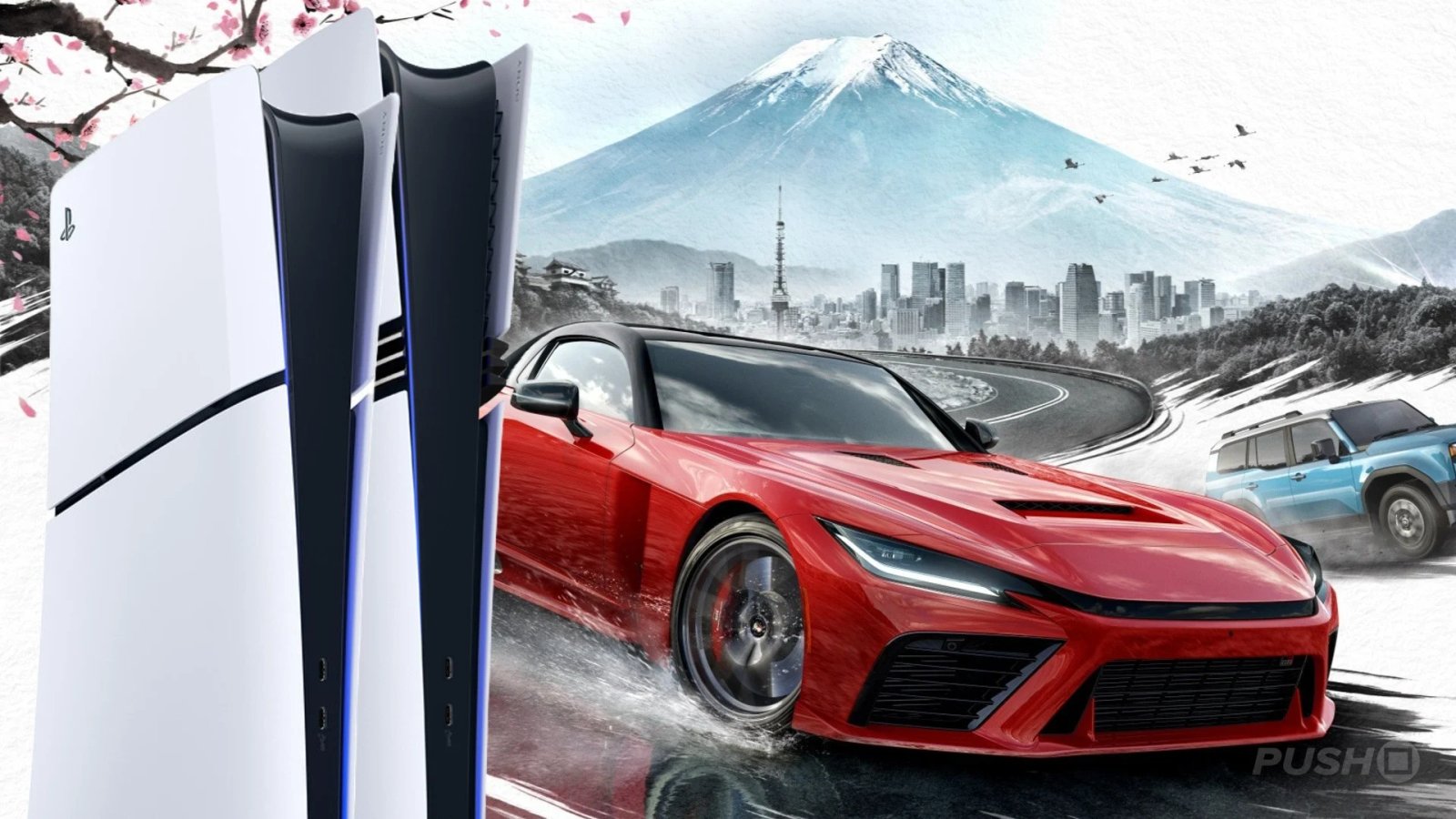
The announcement regarding the 2026 arrival of Forza Horizon 6 on the PlayStation 5 platform marks a significant shift in Microsoft’s strategy for the Forza ecosystem. Integrating a AAA open-world title into the PS5 architecture requires a deep understanding of the console’s unique I/O throughput and proprietary GPU features. The technical challenge lies in optimizing the ForzaTech engine—historically tailored for DirectX and Windows-based environments—to run efficiently on the PlayStation 5’s hardware configuration without sacrificing the fidelity that defines the franchise.
The timing of this cross-platform release is noteworthy, particularly as industry analysts suggest a alignment with the arrival of the game’s first major DLC expansion. By bundling the base game with the debut expansion for the PS5 launch, the studio could effectively maximize engagement and provide a complete experience for a new player base. This strategy allows Playground Games to treat the 2026 milestone as a significant refresh of the title, potentially bringing cross-play functionality to the forefront to unify the racing community across Xbox, PC, and PlayStation.
Technical Challenges in Cross-Console Porting
Porting a title as complex as Forza Horizon 6 involves more than just re-compiling code; it involves re-engineering the interaction between game assets and the hardware’s specialized processors. The PlayStation 5 utilizes a different API compared to the Xbox Series consoles, necessitating a rewrite of the render pipeline to ensure that the advanced ray-tracing and physics calculations remain synchronized. Furthermore, the handling of high-speed streaming—a critical component of the “no-loading” experience—must be re-calibrated to take advantage of the PS5’s custom solid-state drive controller.
The impact of this work on the existing player base is expected to be positive. Enhancing the engine to support a wider array of hardware often leads to greater overall optimization, which can result in more efficient resource utilization across all platforms. As the developers work toward the 2026 target, the focus remains on maintaining parity in graphical fidelity and input latency, ensuring that the driving experience remains responsive and identical in quality regardless of the device in use.
Impact on the Competitive Racing Landscape
The decision to bring Forza Horizon 6 to the PlayStation 5 is poised to reshape the competitive racing landscape. With a larger, unified player base, the studio can support more ambitious recurring events, seasonal tournaments, and community-driven content. The competitive features of the game, such as the blueprint system and custom race creation, will benefit from the increased population, leading to a broader variety of community-generated tracks and game modes.
From a technical standpoint, the integration of new hardware support allows the developers to stress-test their architecture on a broader range of configurations. This iteration process is vital for the longevity of the game, as it forces the team to streamline asset management and improve the scalability of the engine. Whether the 2026 release date holds firm or shifts to accommodate the expansion development cycle, the continued evolution of Forza Horizon 6 highlights a commitment to longevity and technical excellence, cementing its position as a central pillar of the modern racing genre.
Disclaimer: This content is auto-generated for informational purposes only.
Source: Read Original News