









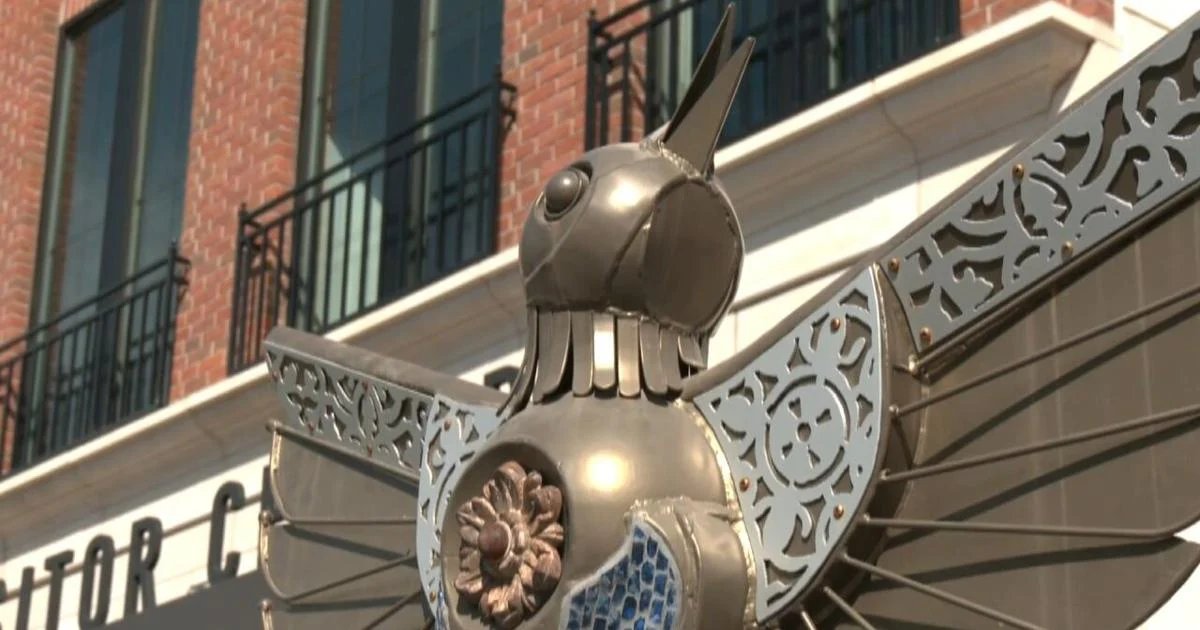
DENISON, Texas — Seven years ago, the heart of downtown Denison was a landscape of charred timber and broken glass following a catastrophic blaze that tore through Main Street. Today, the once-devastated block has undergone a remarkable metamorphosis, serving as a testament to communal resilience and the intersection of local history with modern innovation.
The centerpiece of this revitalization is a newly opened visitor center, which acts as a bridge between Denison’s storied past and its burgeoning future. Most striking is a towering Phoenix sculpture installed on the site—a profound artistic achievement forged directly from the salvaged materials of the buildings that succumbed to the 2017 fire. This literal reconstruction represents a community rising from the ashes, a narrative that is increasingly being captured and preserved through digital tools that help local economies thrive in the modern era.
## Leveraging Digital Tools for Economic Resurgence
As Denison’s downtown area continues to see a surge in tourism and new business development, the city’s stakeholders are increasingly relying on sophisticated digital infrastructure to manage this growth. The local chamber of commerce and independent business owners are utilizing Google Business Profiles and localized SEO strategies to ensure that visitors searching for “things to do in Denison” find the revitalized Main Street at the top of their search results.
This digital presence is crucial for smaller municipalities. By integrating Google Maps data and optimized location pins, the city is able to provide real-time updates to tourists navigating the historic district. The use of Google’s suite of business tools has allowed local proprietors to post photos of the new Phoenix sculpture and the visitor center, effectively turning a physical reconstruction project into a trending digital destination.
## AI and the Future of Urban Preservation
The transformation in Denison mirrors a broader trend across the tech industry: the integration of AI-driven analytics in urban planning and preservation. While the Phoenix sculpture stands as a physical monument, the data behind Denison’s revitalization is managed through cloud-based platforms that help city planners understand foot traffic patterns and visitor engagement.
In the tech sector, AI is currently being deployed to assist in the restoration of historic landmarks across the globe. By using high-resolution imagery and machine learning algorithms, architects can create digital twins of heritage sites, ensuring that if catastrophe strikes again, the historical data remains intact. Denison’s move toward a modern visitor center highlights a similar mindset—one that recognizes the necessity of digital accessibility to maintain the longevity of a small-town economy.
## A Blueprint for Modern Tourism
The success of the Main Street project serves as a case study for how small towns can leverage global tech standards to foster community identity. As Google continues to roll out updates to its generative AI search experiences, the ability for small, hyper-local attractions to be featured in AI-generated summaries is becoming a vital economic driver. When a user asks an AI assistant about “unique landmarks in North Texas,” the integration of well-optimized local information ensures that the Denison Phoenix sculpture is included in the conversation.
By combining the raw, physical history of the fire with the strategic use of 21st-century digital tools, Denison has not only rebuilt a block of storefronts but has created a blueprint for sustainable growth. The Phoenix, both as a physical sculpture and as a metaphor for the digital footprint of the downtown area, proves that history does not have to be lost to the flames; with the right strategy, it can be amplified to draw the world to one’s doorstep.
Disclaimer: This content is auto-generated for informational purposes only.
Source: Read Original News