



VICTORIA — British Columbians awoke Sunday morning to a political landscape transformed overnight, as the BC Conservatives secured a historic majority in the provincial election held on Saturday, Oct. 24. The victory marks the first time a Conservative government has held power in the province since 1933, propelling Lorne Doerkson from the assistant deputy speaker’s chair to the premiership.
For many, the election of Doerkson represents a stunning rise for a politician who, until recently, operated largely under the radar. First elected as a BC Liberal in 2020, the Cariboo-Chilcotin MLA switched to the Conservatives in May 2024. Following a period of leadership instability that saw the party teetering on the edge of collapse, Doerkson was appointed interim leader on Sept. 20, 2026, just days before a snap election call by outgoing NDP Premier David Eby.
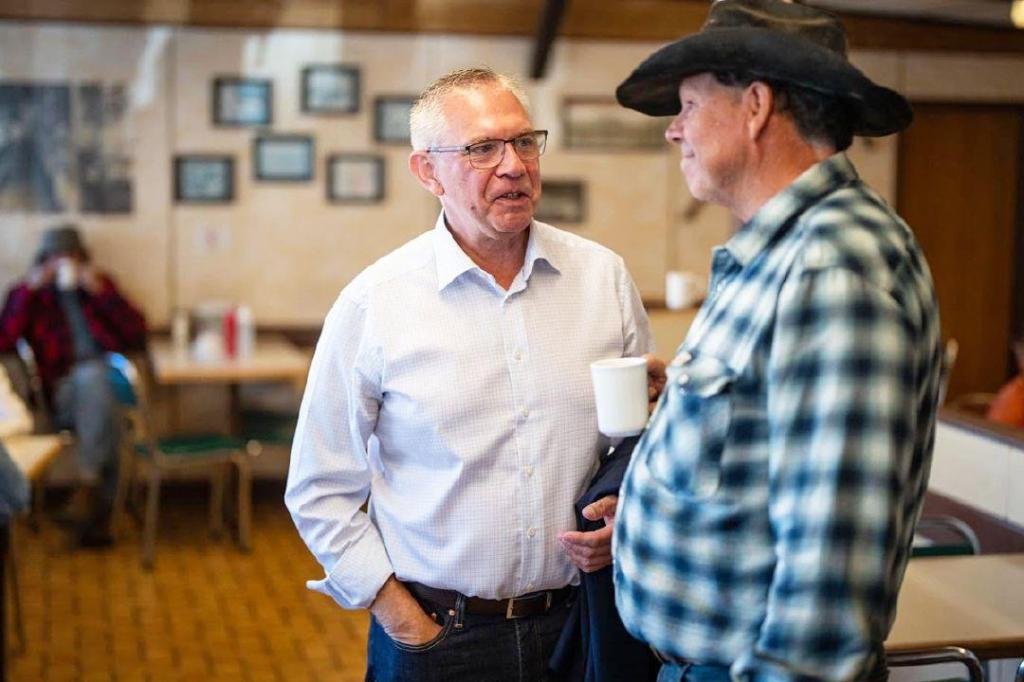
Doerkson’s path to the province’s highest office is as unconventional as the circumstances of his rise. Born in New Westminster and a former publisher for Black Press Media, Doerkson’s resume includes stints as a rodeo bareback rider, a Chevrolet dealership manager, and a financial adviser. On the campaign trail, he frequently drew upon his rural roots, using his experience as a former rodeo contestant to highlight the degradation of health services, noting that during his riding days, he never encountered a hospital with a closed emergency department.
Facing a “shattered” party upon taking the helm, Doerkson orchestrated a remarkable turnaround. He successfully consolidated the caucus, sidelined culture war rhetoric in favor of “bread-and-butter” issues like affordability and tax cuts, and presented a tempered, moderate platform that resonated with voters. His campaign was marked by a distinct lack of political baggage and a willingness to break from party orthodoxy, including a blunt public denouncement of U.S. President Donald Trump.
The results were decisive: the Conservatives claimed 64 seats to the NDP’s 27. In his home riding of Cariboo-Chilcotin, Doerkson dominated with 76.9 per cent of the vote.
As he prepares to take office, Doerkson becomes the first premier from the B.C. Interior since Bill Bennett departed in 1986. However, the path ahead is fraught with complexity. While he enters the premiership with a strong mandate, he faces immediate scrutiny over his party’s controversial pledges to repeal the Declaration on the Rights of Indigenous Peoples Act (DRIPA) and scrap the SOGI 123 curriculum. Additionally, his government must grapple with a significant provincial deficit.
In his victory address, the premier-in-waiting sought to strike a tone of unity, emphasizing that the province’s economy is a single, interconnected entity. “For a very long time, a lot of British Columbians have felt like Victoria forgot about them,” Doerkson told supporters. “But tonight, the whole map counts.”
Disclaimer: This content is auto-generated for informational purposes only.
Source: Read Original News