









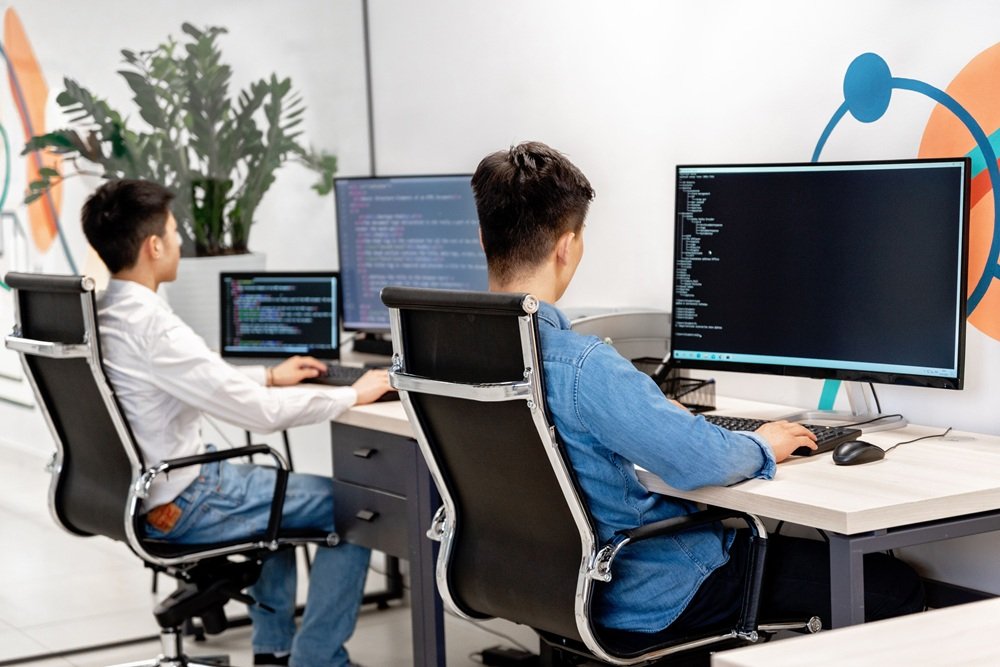
The landscape of computer science education is undergoing a quiet but transformative shift, one that prioritizes active, practice-centered learning over traditional, passive lecture models. As the demand for skilled software developers continues to accelerate, educators are increasingly finding that the standard pedagogical approach—reading textbooks and observing demonstrations—is insufficient for cultivating the deep, functional expertise required in professional environments. The solution to this competency gap is increasingly identified as the hands-on coding environment, an evolution in education that emphasizes “learning by doing.”
In traditional academic settings, passive learning has been a longstanding fixture, but it is proving to be a mismatch for the technical demands of modern programming. Watching a lecture on syntax or reading about algorithms does not equate to the ability to write functional software. Students who are denied regular, structured opportunities to practice in live coding environments often find themselves struggling to bridge the divide between theoretical knowledge and practical application. This disconnect is a primary driver of student attrition, as those who cannot visualize the application of their studies often lose interest before they can develop professional-grade skills.
The most effective learning occurs when students engage directly with the source code. By writing, running, and debugging programs in a live environment, students gain a comprehensive understanding of programming mechanics that lectures simply cannot facilitate. This method provides the immediate feedback loops necessary for rapid skill acquisition. Instead of waiting for a summative assessment to realize a conceptual error, students can debug their work in real-time, allowing them to iterate and learn from mistakes in a safe, consequence-free digital sandbox. This process fosters critical thinking and builds the resilience required for professional troubleshooting.
A significant hurdle in the teaching of computer science has historically been the “technical overhead”—the setup of local development environments, which often frustrates beginners with complex dependencies, versioning issues, and system configurations. Modern cloud-hosted and browser-based platforms have largely eliminated these barriers to entry. By providing standardized, pre-configured environments through tools like Codio, institutions can ensure that all students start from the same technical baseline. This shift not only saves valuable classroom time but also democratizes access to programming, ensuring that students are focused on writing logic rather than managing software installations.
Furthermore, these digital platforms are essential for creating an inclusive and personalized learning experience. Education is rarely a linear process; students progress at different speeds and possess varying styles of learning. Hands-on coding platforms integrate auto-grading and structured project pathways that allow for individualized progress tracking. Instructors are empowered to act as facilitators rather than merely lecturers, utilizing data from these platforms to identify struggling students early and provide targeted, meaningful interventions before minor difficulties escalate into insurmountable barriers.
The psychological impact of these environments on student confidence is equally critical. In a field plagued by “imposter syndrome,” the steady, incremental progress afforded by hands-on practice helps students build a sense of authentic competency. Each debugged function and each completed project milestone serves as a positive reinforcement, creating a momentum that encourages students to tackle more complex challenges.
As the technology sector continues to expand, the transition toward practice-centered education is becoming an institutional necessity rather than an optional enhancement. By fostering environments that prioritize engagement, immediate feedback, and consistent practice, educators are better equipping the next generation of developers for the realities of the modern workforce. This pedagogical evolution is not just improving grades; it is building the problem-solving confidence and technical proficiency that define the future of the digital economy.
Disclaimer: This content is auto-generated for informational purposes only.
Source: Read Original News