








Immigrant Contribution to US Tech Under Fire: Former Amazon Executive Hits Back at Visa Curbs
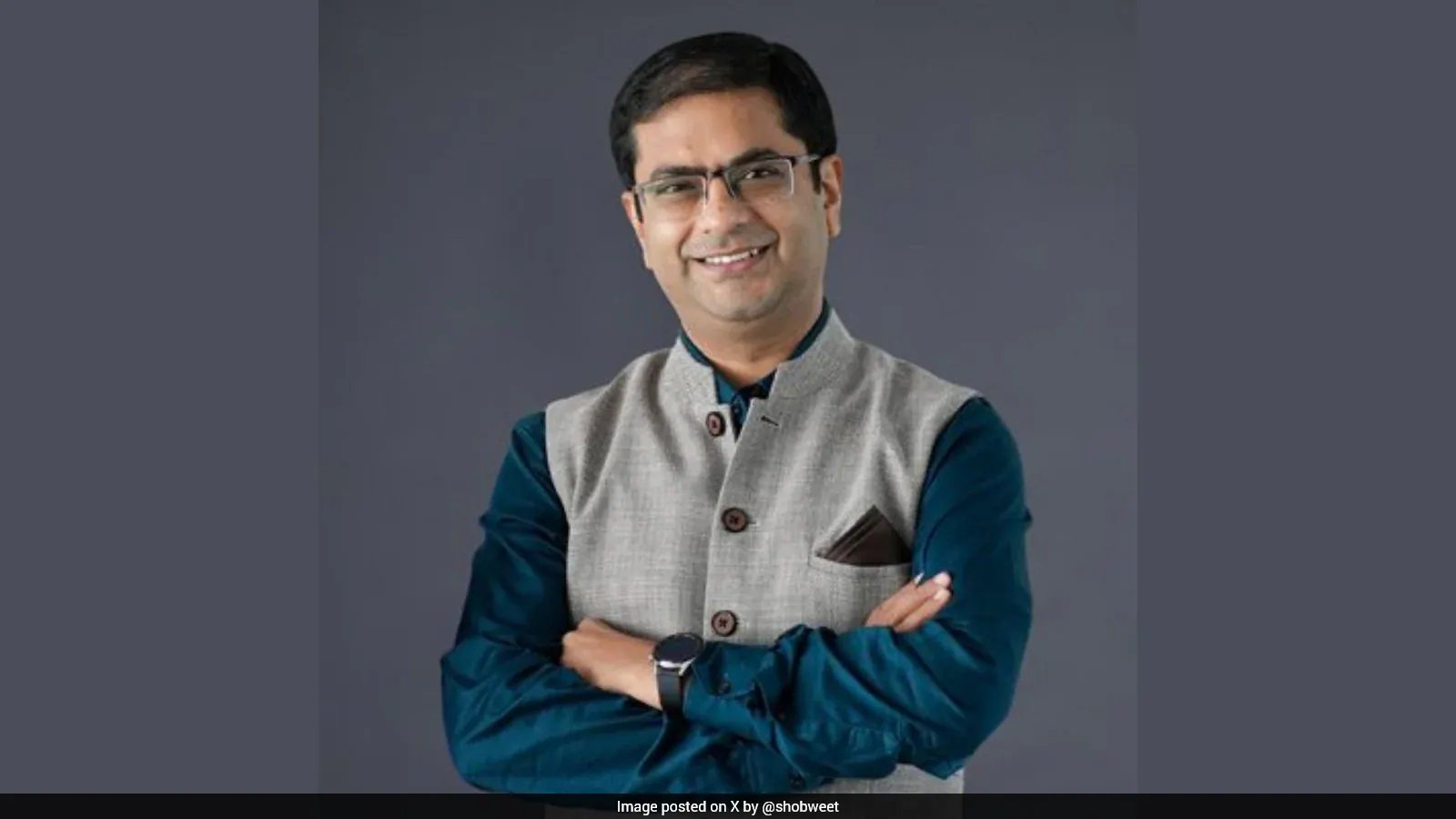
Shobhit Mathur, co-founder and Vice-Chancellor of Rishihood University, is pushing back against the recent tightening of US immigration policies, drawing on his own history as an early-stage employee at Amazon. Reflecting on his tenure at the retail giant between 2005 and 2009, Mathur emphasized that the H-1B visa holders of that era were instrumental in transforming the company from a struggling e-commerce outfit into a global technological powerhouse.
“When Amazon hired me, the company had been posting losses for a decade,” Mathur stated in an interview with NDTV. He argued that the current political climate in the United States, which is moving toward stricter visa oversight, risks alienating the very workforce that fueled America’s modern digital infrastructure.
Questioning the ‘Kicking the Ladder’ Narrative
Mathur’s vocal critique follows a widely circulated post on the social media platform X, where he highlighted that Indian professionals on H-1B visas were core contributors to the development of Amazon Web Services (AWS). He challenged the current US administration’s rhetoric, questioning whether the nation is essentially “kicking the ladder” after climbing to economic dominance on the backs of immigrant innovation.
“The fundamental technology that shifted Amazon from a bookstore to a massive tech firm was built during those years,” Mathur noted. While he acknowledged that large-scale corporate success is the result of collective effort, he maintained that the contributions of Indian professionals during that formative period are a historical reality that cannot be sidelined by modern political convenience.
Tensions Over Immigration Policy
The debate has intensified following the US government’s recent move to suspend Permanent Labour Certification (PERM) applications for several major technology firms, including prominent Indian IT companies. While the Indian Ministry of External Affairs (MEA) clarified that this suspension does not directly invalidate existing H-1B status, it does create significant hurdles for foreign professionals seeking permanent residency.
The diplomatic atmosphere remains strained following comments by US Vice-President JD Vance, who characterized some foreign workers as “indentured servants.” The Indian government has formally objected to this terminology, labeling it “deeply offensive” and underscoring the high level of skill and education that Indian professionals bring to the American economy. Mathur echoed this sentiment, arguing that such language is not only inappropriate but ignores the symbiotic relationship between immigrant labor and American prosperity.
The Future of Global Talent
Addressing concerns about potential misuse of the visa system, Mathur admitted that while the H-1B program is not flawless, it is unfair to disparage the entire system based on the actions of a few. He pointed to the rise of Indian-origin leaders like Satya Nadella and Sundar Pichai as definitive evidence of the profound positive impact that global talent has had on the American technology landscape.
However, Mathur warned that for Indian professionals, the allure of the “American Dream” is fading as the environment becomes increasingly unpredictable. He urged India to focus on strengthening its own domestic higher education, improving ease of doing business, and enhancing urban infrastructure. “If you are looking at the long term, India is a better bet,” he said. For Mathur, the lesson is clear: innovation thrives in environments that welcome talent, not those that turn their backs on it.
Disclaimer: This content is auto-generated for informational purposes only.
Source: Read Original News