







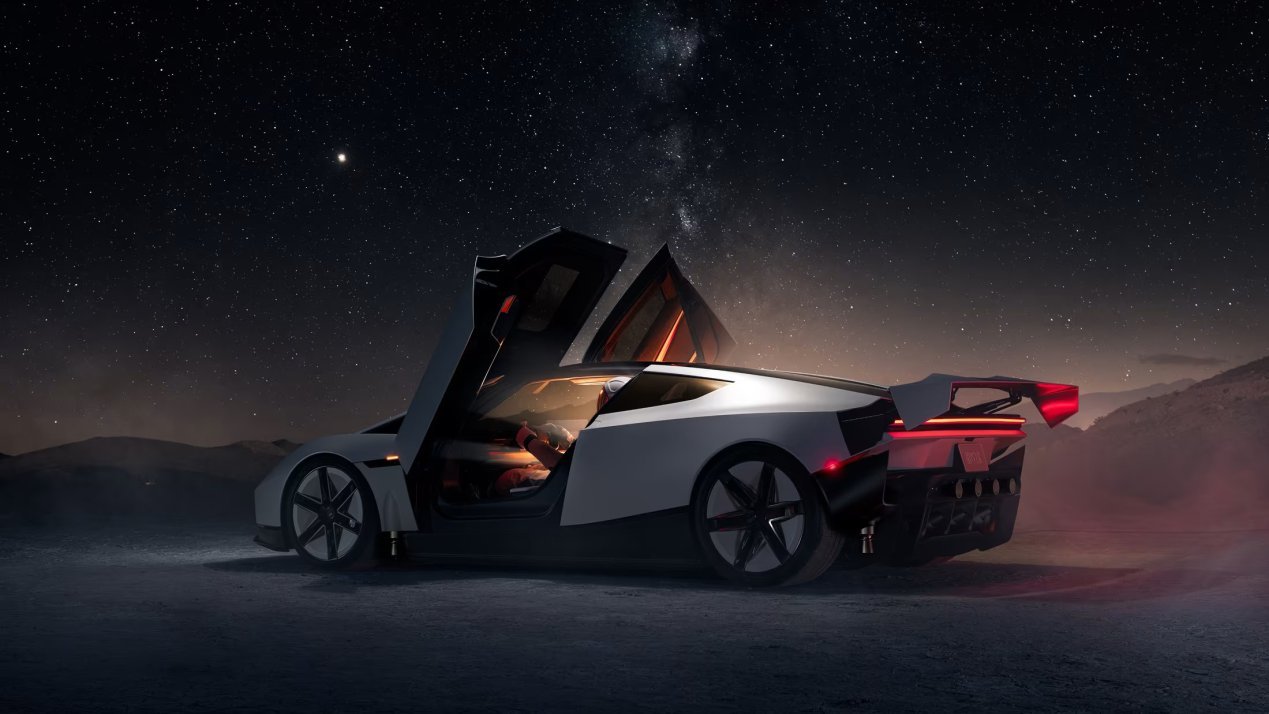
Tesla has officially unveiled a high-performance iteration of its long-awaited next-generation Roadster, featuring experimental propulsion technology developed through a unique partnership with SpaceX. The uncrewed demonstration, held at a testing facility in McGregor, Texas, showcased a vehicle capable of executing complex maneuvers, including aerial hops and mid-air twists, using a system of cold-gas thrusters.
The event marks a significant milestone for the project, which was first teased nearly a decade ago. Despite the impressive display of engineering—which included the car scaling a steep ramp and performing mid-air stunts—Tesla CEO Elon Musk confirmed that production for the vehicle is not expected to commence until 2028.
## Engineering Through SpaceX Collaboration
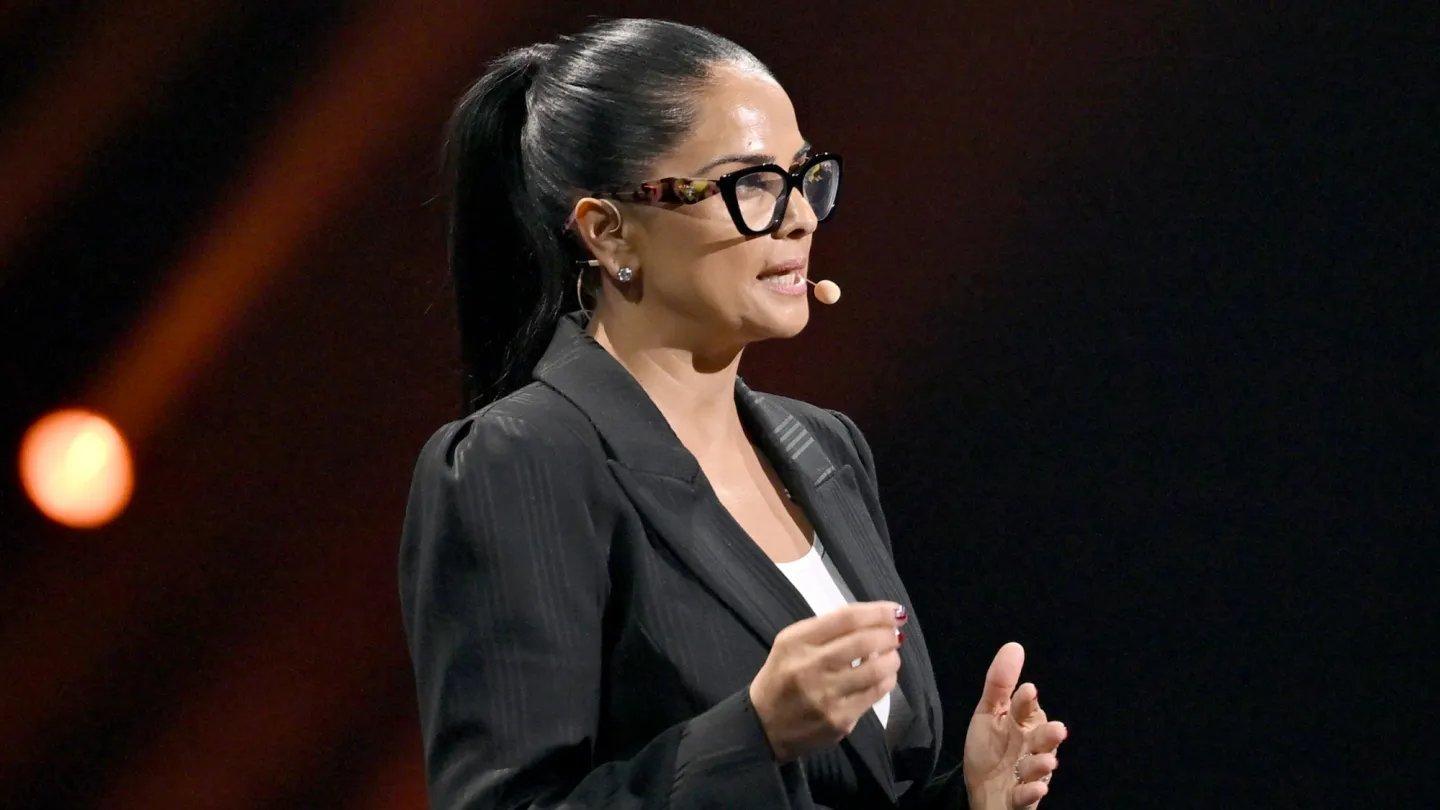
The core of the new Roadster’s capabilities lies in its integration of aerospace technology. The vehicle is equipped with ten specialized nozzles powered by ultra-high-pressure air tanks. According to Tesla’s vehicle engineering chief, Lars Moravy, this architecture allows the car to achieve a 0-to-60 mph sprint in under one second. The company claims the car will reach speeds exceeding 230 mph, with Musk suggesting the performance could eventually push even further.
While the engineering is ambitious, the vehicle’s practical specs have evolved. The current version reports a range of over 300 miles, a figure notably lower than the original projections shared during the vehicle’s initial 2017 reveal. Tesla has opened its reservation portal to accommodate various tiers, including a base performance model, a “Thrust” variant featuring the rocket-assisted technology, and an exclusive single-seat “Rocket” edition.
## Brand Strategy and Industry Reception
Financial analysts and industry experts are largely viewing the demonstration as a “halo” project—a high-visibility marketing initiative designed to bolster Tesla’s image as an innovator rather than a vehicle intended to serve as a primary revenue driver. Gene Munster of Deepwater Asset Management described the event as an “engineering flex,” while others noted that it serves as a powerful display of the potential synergies between Musk’s automotive and aerospace ventures.
Morningstar analyst Seth Goldstein noted that the Roadster fills a strategic void in Tesla’s lineup, providing a luxury flagship that highlights the company’s technical prowess. However, skeptics argue that the move is primarily a branding exercise intended to sustain momentum as the company pivots its primary focus toward artificial intelligence, autonomous robotics, and the development of the Cybercab.
## Regulatory Hurdles and Technical Realities
Despite the excitement generated by the “flying” performance, significant barriers remain before such features could see real-world application. Aviation experts, including those from the Smithsonian’s National Air and Space Museum, expressed skepticism regarding the feasibility of street-legal flying cars.
The challenges are both physical and regulatory. Aircraft design prioritizes extreme weight reduction, whereas road vehicles are built with heavy safety components like crumple zones and protective bumpers. Furthermore, current legal frameworks—such as those enforced by the European Union Aviation Safety Agency—would classify such a vehicle as an aircraft, necessitating complex pilot certifications and strict adherence to air traffic regulations.
As Tesla continues to allocate massive capital toward its AI and robotics infrastructure—with annual spending projected to exceed $25 billion—the Roadster remains a niche, albeit attention-grabbing, outlier. Investors are now shifting their attention to the upcoming October 21 quarterly earnings report, looking for data on margins and cash flow that will determine the company’s near-term market health. While the Roadster serves as a testament to Tesla’s R&D capabilities, its long-term impact on the company’s bottom line remains, in Musk’s own words, a “small potato situation.”
Disclaimer: This content is auto-generated for informational purposes only.
Source: Read Original News