









The Changing Paradigm of the Government-Industry Relationship
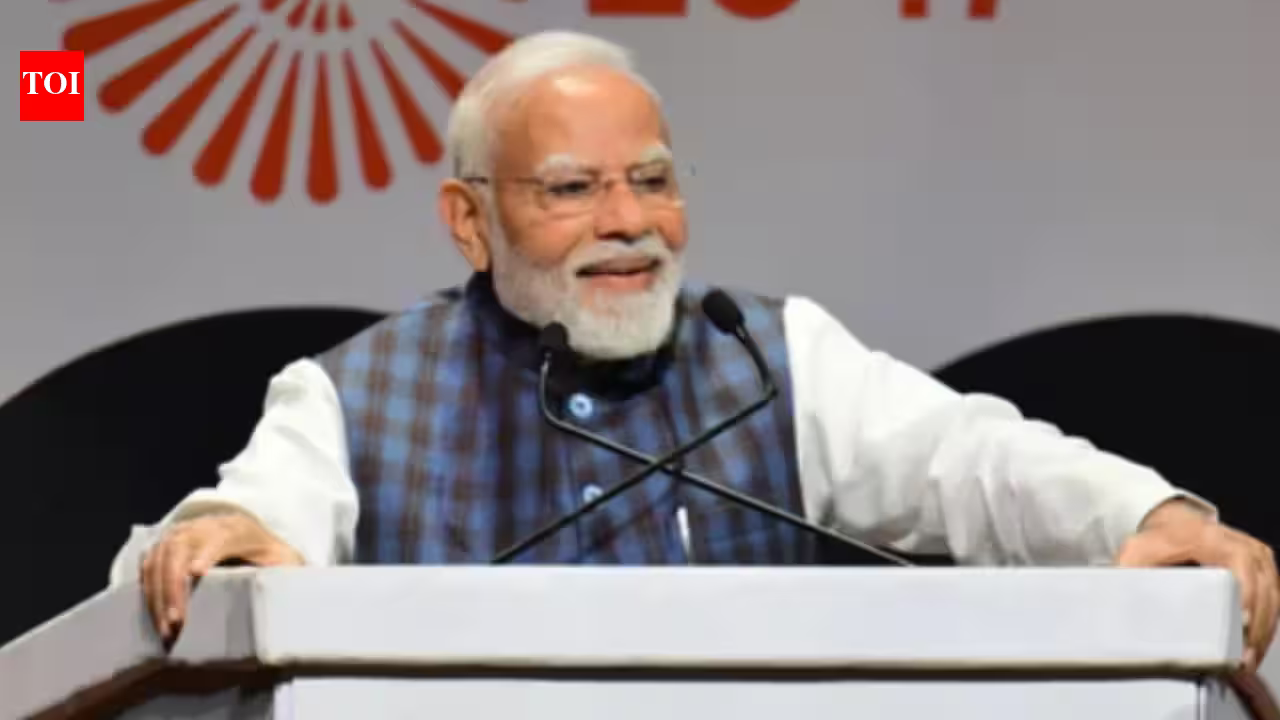
The recent critique delivered by Prime Minister Narendra Modi regarding the corporate sector’s perceived reluctance to prioritize job creation and wage growth marks a significant inflection point in the relationship between the Indian state and the private sector. For years, the narrative in New Delhi focused on “ease of doing business,” regulatory rationalization, and the provision of fiscal incentives to stimulate manufacturing and services. By calling out an “insatiable hunger for concessions” among industry leaders, the government has signaled that the era of unilateral fiscal handouts may be drawing to a close.
This rhetoric shift is not merely political; it reflects a deeper macroeconomic frustration. While the government has implemented structural reforms, including the reduction of corporate tax rates and the streamlined implementation of the Goods and Services Tax (GST), the expected “trickle-down” effect—manifesting as aggressive private capital expenditure and substantial household income growth—has been slower than anticipated. The government’s stance suggests a hardening of expectations: tax cuts are viewed as tools for expansion, not as subsidies for margin protection or dividend distribution. As policymakers prepare for the upcoming budget, the industry finds itself in a defensive position, needing to justify its performance metrics against the backdrop of soaring corporate profitability.
Analyzing the Divergence Between Profitability and Payroll
A core issue driving the friction is the stark divergence between corporate balance sheets and the standard of living for the average worker. Data from the 2025 Economic Survey highlights a trend that has caused unease within the administrative corridors of power: corporate profitability reached a 15-year high in 2024, yet the growth in employee expenses did not keep pace.
From the perspective of the industry, this lag is often attributed to the need for capital preservation during volatile periods. Global headwinds, including fluctuations in fuel prices, rising input costs, and the past instability of the Indian Rupee, have forced companies to adopt leaner operating models. However, the government’s counter-argument is that these macro-challenges were partially mitigated by state-led interventions. Officials maintain that the fiscal space surrendered by the government through tax rate reductions was intended to bolster the labor market. When high profits are recorded alongside moderate wage growth, the administration perceives a lack of reciprocity. This disconnect is particularly sensitive in the current domestic context, where the transition toward a consumption-led economy relies heavily on rising real incomes among the middle and working classes.
The Pressure of Macroeconomic Realities
Corporate leaders argue that their investment decisions are dictated by market demand rather than political directives. The reluctance of the private sector to commit to massive capital expenditure has been a point of contention for several years. While there has been a recent uptick in private investment, much of the sector still operates with a degree of caution.
From a business standpoint, the “concession-seeking” behavior mentioned by the Prime Minister is often framed as a necessity for global competitiveness. Indian firms operating in global value chains must contend with international price pressures and logistics costs. Executives frequently emphasize that without competitive tax structures and infrastructure support, their ability to hire at higher wages is curtailed by the need to maintain margins against global competitors. Despite these concerns, the government is no longer willing to accept this logic at face value. The administration’s push is aimed at shifting the corporate focus from pure profit maximization to a broader definition of corporate performance that includes domestic wealth redistribution through salaries and job security.
Strategic Alignment and the Future of Policy Making
As the industry prepares to present data to counter the government’s narrative, the discourse is shifting toward evidence-based advocacy. Industry bodies are now tasked with showcasing how increased employment figures and wage hikes are being integrated into their growth strategies. This is a critical exercise, as any failure to provide compelling data could result in a tighter fiscal environment.
The government’s message serves as a reminder that the social contract in a developing economy like India involves a shared responsibility for inclusive growth. For decades, the industry operated under the assumption that growth would naturally follow investment incentives. Now, the government is asking for a more active commitment to the national agenda. Future policy interventions may be conditioned on specific performance benchmarks related to human capital development and wage indexing. Companies that can demonstrate a clear link between tax efficiency and expanded human capital will likely maintain a constructive dialogue with the state, while those failing to meet these implicit social benchmarks may find the doors to further concessions firmly closed.
Navigating the Path to a Sustainable Growth Model
The cooling relationship between the state and the private sector does not necessarily signal a permanent rupture, but it does indicate a transition toward a more transactional and demanding partnership. Both sides are currently adjusting to this new reality. For the private sector, the challenge is to internalize the fact that tax policy is increasingly tied to socioeconomic outputs. For the government, the risk is that overly aggressive rhetoric might discourage investment if the business community feels that the regulatory environment is becoming unpredictable or overly punitive.
Moving forward, the focus will likely shift to sectors where labor-intensive growth is possible. Infrastructure, manufacturing, and technology remain pillars of the government’s vision, and the pressure on these sectors to expand their workforce will only intensify. The industry will need to navigate this climate by prioritizing investments that have a high multiplier effect on employment. In the long run, the integration of profitability and payroll growth is not just a regulatory expectation; it is a structural necessity for maintaining a stable consumer base. As the economy matures, the businesses that thrive will be those that view wage growth not as a cost to be minimized, but as a long-term investment in the sustainability of the Indian market. The current friction, while uncomfortable for boardrooms, acts as a catalyst for a recalibration that may ultimately determine the quality and reach of India’s long-term economic expansion.
Disclaimer: This content is auto-generated for informational purposes only.
Source: Read Original News