








LOS ANGELES — A federal jury has found 30-year-old Jonathan Rinderknecht guilty of arson and property destruction, closing a high-profile legal battle over the devastating Palisades Fire. The verdict, delivered Friday, marks a significant turn in the case after an initial trial ended in a mistrial earlier this year.
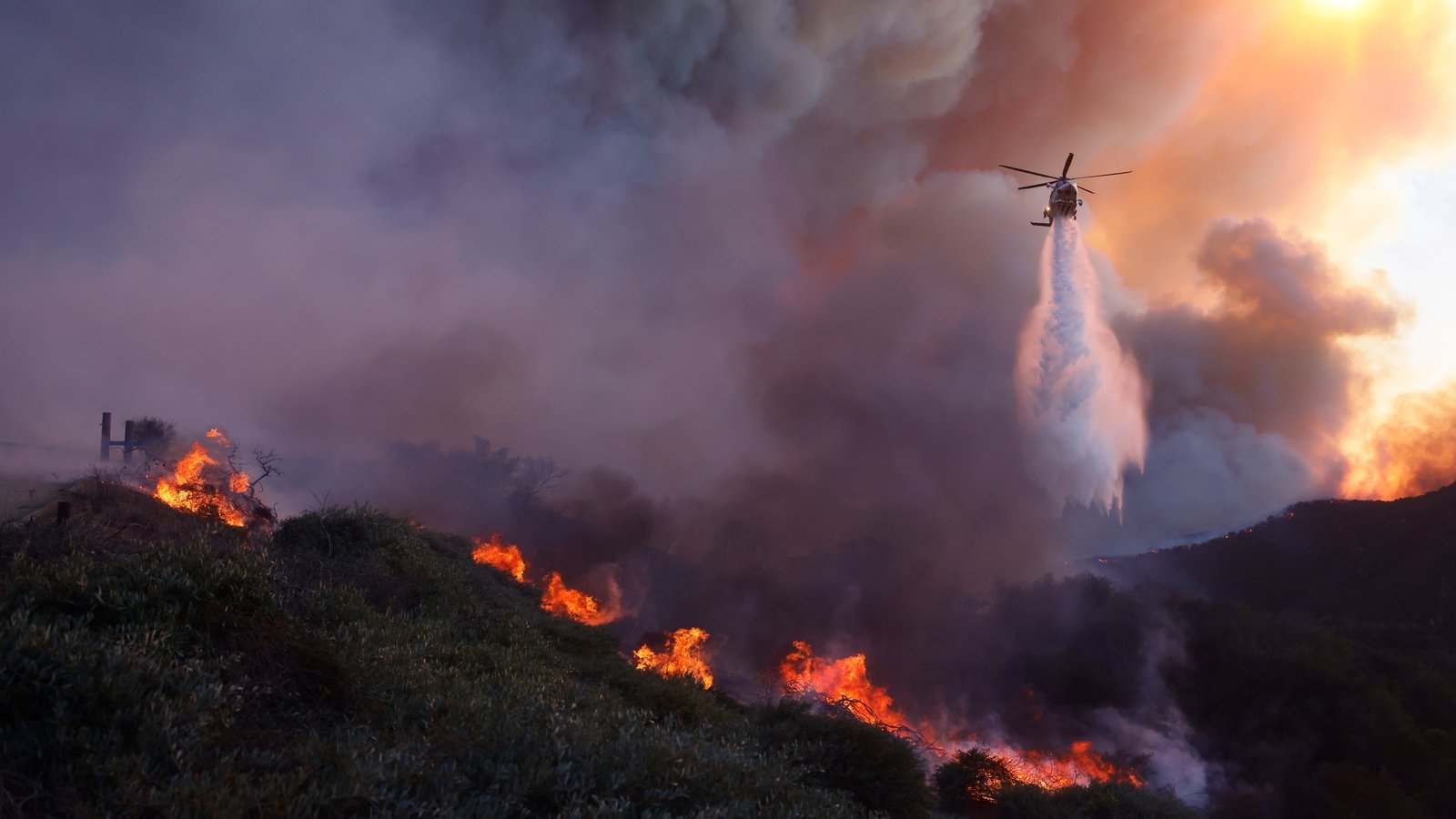
Rinderknecht was convicted of igniting a blaze on Jan. 1, 2025, which smoldered undetected within deep root systems for nearly a week. On Jan. 7, the dormant fire flared into a catastrophic inferno, tearing through neighborhoods in Los Angeles and Malibu. The disaster claimed 12 lives and ranks among the most destructive wildfires in California’s history.
Following the reading of the verdict, Rinderknecht displayed little visible emotion as he embraced his attorneys before exiting the courtroom. His father, who attended the duration of the trial, remained present as the jury’s decision was read.
The prosecution’s success in the second trial came after a shift in strategy. While the initial proceedings focused heavily on Rinderknecht’s perceived resentment toward the wealthy, the government’s retrial presentation relied on a more precise synthesis of digital forensic data and expert testimony. Assistant U.S. Attorney Mark Williams successfully placed Rinderknecht at the scene of the fire’s origin using cellphone tower records and photographs of his vehicle near the trailhead.
Perhaps most damaging to the defense was evidence of Rinderknecht’s actions while the fire was still in its infancy. Prosecutors revealed that as Rinderknecht walked down the hill, he screen-recorded a video on his phone while placing over a dozen 911 calls. During that same window, digital logs showed he queried ChatGPT, asking, “Are you at fault if a fire is lit because of your cigarettes?” Prosecutors characterized these actions as a calculated attempt to manufacture an alibi.
Defense attorney Steve Haney fought the conviction, arguing that the government’s case relied on circumstantial evidence. He pointed to the fact that the ignition site remained accessible to the public for six days before the fire intensified, suggesting the site could have been easily compromised. Haney also presented testimony from a retired U.S. Forest Service investigator who disputed the government’s determination of the origin point, and urged jurors to consider eyewitness accounts of teenagers fleeing the area. He further pushed the theory that the blaze was started by rogue fireworks, noting that multiple neighbors reported hearing a loud “bang” or explosion that evening.
However, the prosecution effectively countered the fireworks narrative, pointing out that thousands of hours of high-definition fire detection footage failed to capture a single burst of light or pyrotechnic in the sky above the hill.
Rinderknecht faces a mandatory minimum of five years in federal prison, with a maximum penalty of 20 years for each count. A sentencing date has not yet been set.
Disclaimer: This content is auto-generated for informational purposes only.
Source: Read Original News