








First Mammal Case of H5 Bird Flu Confirmed on Australian Mainland
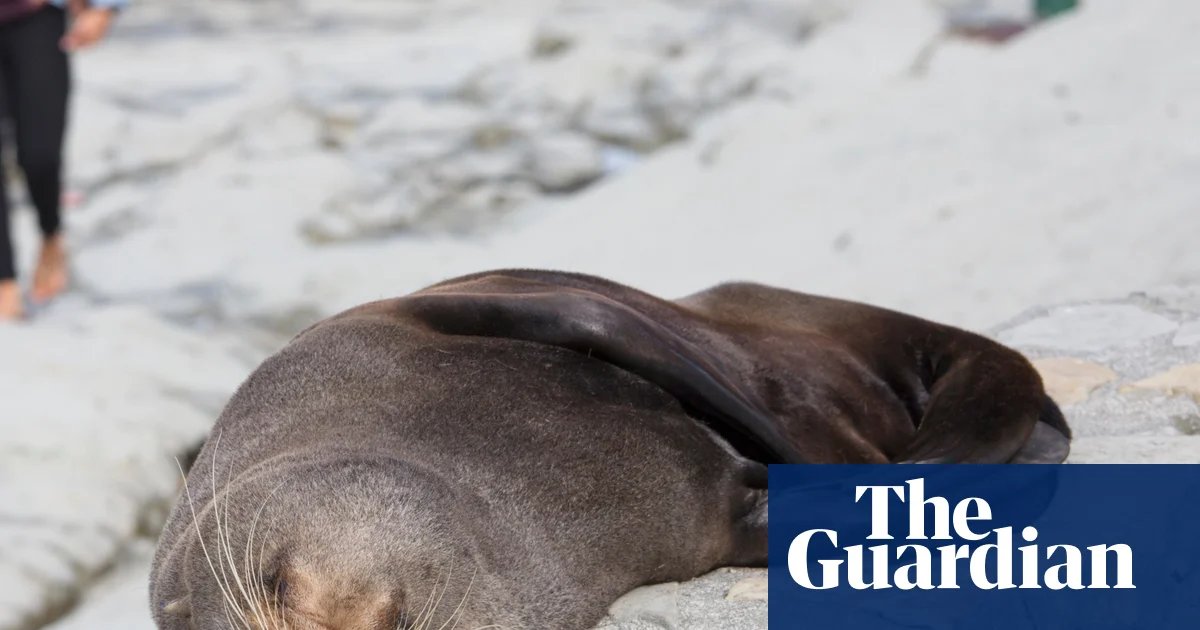
ADELAIDE, South Australia — Health and environmental authorities have confirmed a grim milestone in the nation’s battle against the H5 bird flu outbreak, as a long-nosed fur seal has been identified as the first mammal on the Australian mainland to succumb to the virus.
The animal was discovered deceased on Wednesday near Beachport, located on the state’s Limestone Coast. This discovery marks a significant escalation in the reach of the highly pathogenic strain, which has already devastated avian populations across the country.
The news comes just days after South Australian Premier Peter Malinauskas announced a series of alarming mass mortality events on offshore islands. More than 1,000 greater crested terns have been found dead in recent weeks, signaling a rapid and concerning spread of the virus throughout local wildlife.
Growing Threat to Marine Mammals
The highly pathogenic H5 strain has been responsible for the deaths of millions of birds globally and has shown an increasing ability to cross the species barrier. Previously, the virus claimed the lives of more than 13,000 elephant seal pups on remote Australian islands, providing a harrowing preview of the impact the disease could have on the mainland’s marine life.
Federal government risk assessments have specifically identified long-nosed fur seals and the endangered Australian sea lion as being at “very high risk” of infection. The confirmation of the Beachport case suggests that these vulnerable populations are now facing direct exposure to the virus.
In addition to the seal, authorities have confirmed that a little penguin found on Kangaroo Island earlier this week also tested positive for the H5 strain, further highlighting the widespread nature of the current outbreak.
Urgent Monitoring
As the virus continues its progression across South Australia, officials are bracing for a potential surge in cases. Wildlife experts and government agencies are maintaining heightened surveillance along the coastline to monitor the health of seal colonies and other susceptible species.
The scientific community remains on high alert as the H5 bird flu continues to traverse the continent, raising concerns about the long-term ecological impacts on Australia’s unique marine biodiversity.
This is a developing story. Further updates will be provided as more information becomes available.