








The Pixel 11 Pro Strategy: Why Google is Making You Upgrade Sooner Than You Think
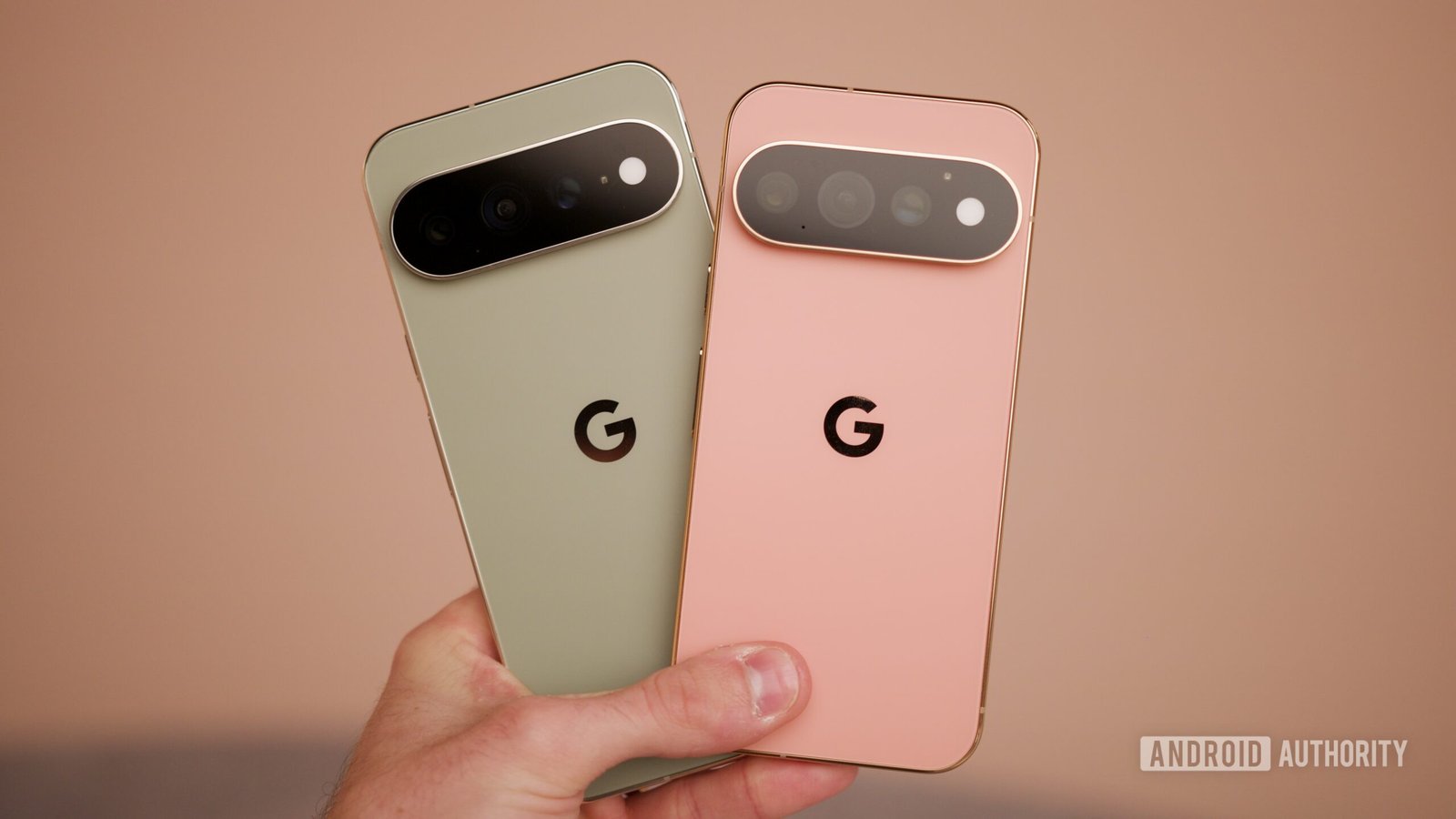
The arrival of the Google Pixel 11 Pro has sparked a wave of frustration among long-time enthusiasts, and for good reason. Between the price hikes and the questionable decision to reduce the base RAM on flagship models, the hardware value proposition feels thinner than ever. While 12GB of RAM is theoretically sufficient for most daily tasks, the principle of paying more for less hardware leaves a sour taste.
However, the hardware itself isn’t the true headline. The Pixel 11 Pro is a calculated blueprint for how Google intends to shorten the typical smartphone upgrade cycle—and it relies on shifting your focus from silicon specs to software-exclusive experiences.
Selling the Experience, Not the Specs
Google has historically marketed its devices based on intelligence rather than raw benchmarks. With the Pixel 11 Pro, this strategy has reached a new peak. During the launch, Google barely touched upon the raw performance of its new Tensor G6 chipset, choosing instead to focus entirely on its specialized TPU capabilities.
A prime example is the new "Google Rambler" feature. By taking incoherent, stream-of-consciousness audio and refining it into professional-grade text, Google has created a highly practical tool. By framing such features as hardware-dependent, Google effectively creates a "walled garden" for its own devices. We saw this previously with the Tensor G5 and "Magic Cue"; features that were initially restricted to the latest hardware, despite the previous generation’s theoretical ability to handle them.
This creates a recurring narrative of obsolescence. When consumers are told their current flagship—barely a year old—is suddenly incapable of running the latest AI tools, the pressure to upgrade becomes psychological rather than functional.
A Familiar Playbook
This isn’t a strategy exclusive to Mountain View. Samsung previously faced similar backlash with the Galaxy S24 Ultra, where the company claimed certain AI features required the latest Snapdragon chipset. For the average user, the distinction between a year-old processor and a brand-new one is invisible in day-to-day apps like Instagram or Chrome. Because modern hardware has become so capable, the natural lifecycle of a phone has extended to three or four years. Manufacturers are now scrambling to find ways to force that cycle back down.
As noted in our recent analysis of the Pixel 11 Pro setting a dangerous precedent for Android upgrades, we are witnessing a pivot where software features are used as the primary catalyst for hardware sales.
The Future of "Leased" Features
While Google has occasionally offered workarounds—like bringing Gemini Nano to older devices via cloud processing—these options are often slower and less secure. The real danger lies in the potential for a subscription-based future. Much like premium hobbyist products that hide firmware capabilities behind paywalls, it is not difficult to imagine a future where advanced AI tools are locked behind a Google One subscription or tied exclusively to the latest hardware.
We are reaching a point where Google’s AI tools are becoming genuinely useful to the average consumer. Once those features become essential parts of our daily digital lives, the desire to maintain access will override the logic of keeping a perfectly good phone.
Google may soften the blow with aggressive trade-in programs and financing, but the end goal is clear: turning the smartphone from a durable tool you own into a service you must consistently refresh to keep relevant. It’s an effective business strategy, but for the average user, it marks a depressing shift toward a perpetual cycle of leasing the latest AI capabilities.