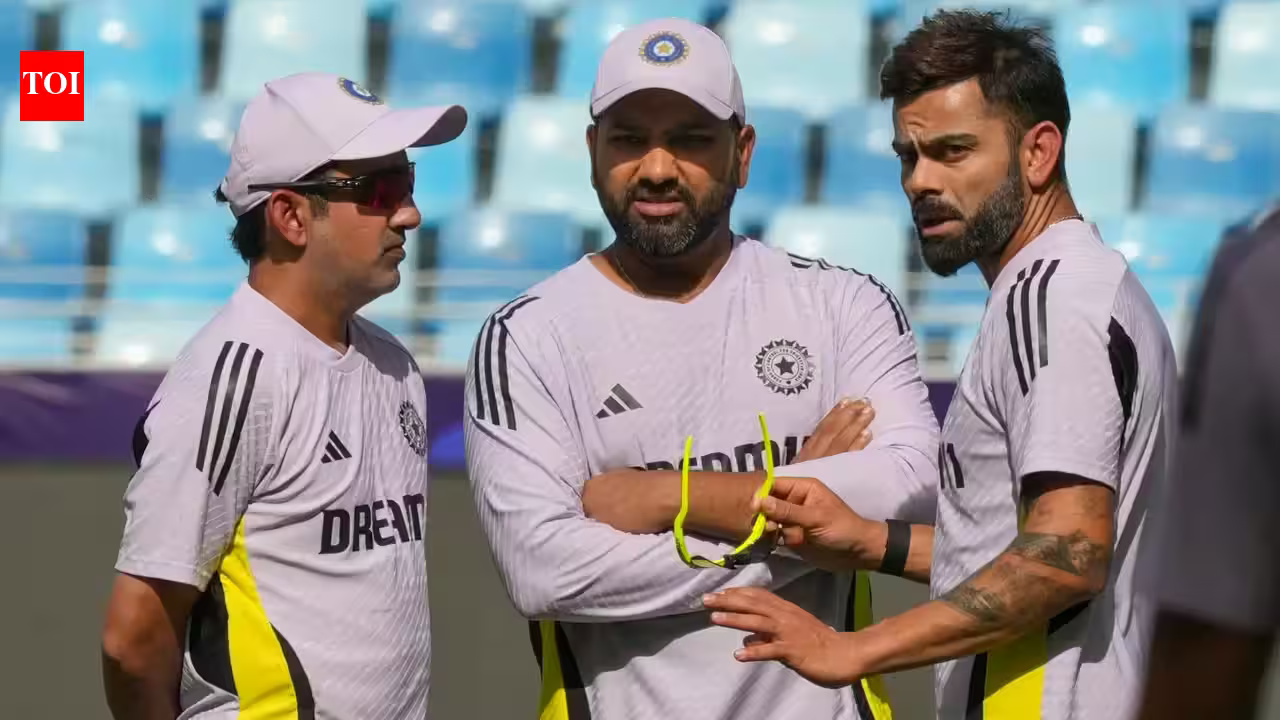








Sleepless nights are not typically associated with the high-octane, data-driven world of modern international cricket, yet for India head coach Gautam Gambhir, a single selection call in the summer of 2024 proved to be an exception. In a candid admission ahead of India’s home season against the West Indies, the former World Cup winner opened up about the emotional toll of dropping Sanju Samson during the team’s tour of England, revealing it was the only night in his two-year coaching tenure that he found himself unable to sleep.
The decision was far from routine. Samson, fresh off being crowned the Player of the Tournament during India’s triumphant T20 World Cup campaign, was excluded from the starting XI following the opening match of the five-game T20I series against England in July. In his place came teenage sensation Vaibhav Sooryavanshi, a prospect whose blistering form and prodigious talent forced a tactical shuffle that sent shockwaves through the Indian cricketing landscape.
The Anatomy of a Difficult Decision
Gambhir’s transparency regarding the conversation with Samson underscores the delicate balance he maintains as a coach: the tension between rewarding past merit and capitalising on current, white-hot form.
“In two years of my journey, that was the only night I could not sleep,” Gambhir admitted during an interview with JioStar. “I told this to Sanju because I knew that it was probably the toughest decision in my coaching tenure in a T20 format. You have someone who was the Player of the Tournament, and then you have to leave him out after three or four games.”
The justification for the move was rooted in the immediate needs of the series. With India trailing after the first T20I in Manchester, the team management identified a necessity for a different tactical approach at the top of the order. Sooryavanshi, with his unique attacking rhythm, was deemed the catalyst needed to shift the momentum.
Gambhir emphasized that the conversation was held in total honesty, a hallmark of his direct coaching style. “I had a very, very honest conversation with him… he took it in good spirits,” Gambhir added.
Prioritizing Process Over Populism
Beyond the specific exclusion of Samson, Gambhir’s comments provided a rare window into his philosophy regarding team selection. In an era where the opinions of social media pundits often reach a fever pitch, the India coach is adamant that the playing XI will be determined by the inner sanctum of the dressing room, not the public consensus.
“Social media or outside noise doesn’t decide the playing eleven,” Gambhir stated firmly. “The playing eleven is decided by the coach and the captain, based on who can win us the match and who has done well for such a long time. We can’t suddenly ignore that a combination has created such an impact over the last year or two just because of three or four failures.”
This rhetoric highlights a crucial tenet of Gambhir’s tenure: the pursuit of long-term stability. While the emergence of explosive talents like Sooryavanshi provides a welcome headache for the management, it does not mandate a reactionary overhaul of the team’s core. Gambhir remains wary of the “popular decision”—the move that satisfies the fans but risks eroding the confidence of players who have established their reliability in the highest echelons of the sport.
A Return to Stability
The validity of Gambhir’s measured approach was arguably vindicated when the squad returned home for the three-match T20I series against Afghanistan. Samson was reinstated into the lineup at the expense of Sooryavanshi and proceeded to deliver a masterclass, hitting back-to-back fifties as India dominated the series to complete a 3-0 sweep.
This sequence of events serves as a microcosm of the current Indian T20 setup. It is a side that boasts immense depth and a burgeoning pipeline of talent, yet it is steered by a leader who values the continuity that led to their recent World Cup glory.
Gambhir reflected on the team’s extraordinary run over the last 17 months, noting that a single series or a handful of poor performances cannot invalidate the progress made by this group of players. “Imagine, we won the World Cup,” he reminded critics. “Suddenly one bad series or three bad games here and there does not make them a bad player or does not make us a bad side. So it was very important for us to have that continuity.”
The Path Forward
As India looks toward the West Indies series and beyond, the message from the head coach is clear: the path to the national side requires patience, even for the most gifted youngsters. Vaibhav Sooryavanshi represents the future, but the established stars represent the current foundation.
By taking the “tough” decisions rather than the “popular” ones, Gautam Gambhir is aiming to foster a dressing room defined by security and merit. For Sanju Samson, the bounce-back against Afghanistan was the perfect riposte to the uncertainty of the English summer. For the fans, the episode serves as a reminder that the high-stakes world of international cricket often involves difficult, sleepless nights for the men in the hot seat—all in the service of maintaining a winning culture.
Disclaimer: This content is auto-generated for informational purposes only.
Source: Read Original News