






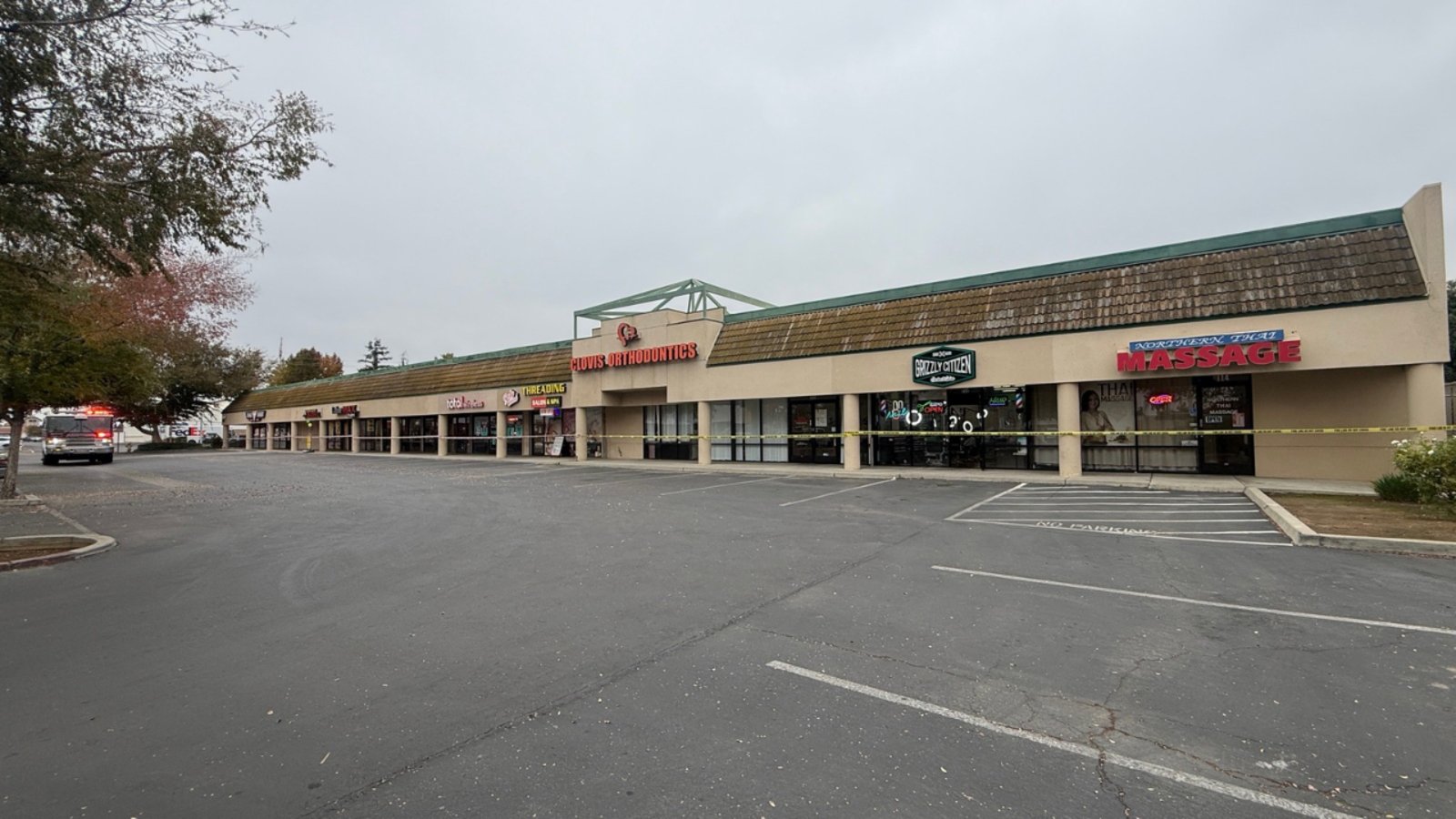
A significant gas leak triggered emergency evacuations in Clovis, California, on Wednesday, creating a chaotic morning for business owners and commuters at the intersection of Shaw and Villa. While local authorities from the Clovis Police and Fire Departments continue to work alongside PG&E crews to secure the scene, the incident serves as a stark reminder of how modern infrastructure monitoring—often managed through advanced digital ecosystems—remains critical to public safety.
## Leveraging Real-Time Data and Cloud Infrastructure
In the modern era, incident management for utility providers has been transformed by the integration of large-scale cloud computing and geospatial analysis. Major tech players, including Google Cloud, provide the backbone for many utility companies’ operational grids. By utilizing sophisticated data analytics, utility providers can monitor gas pressure sensors across entire city blocks in real-time.
When a leak is detected, these systems don’t just alert manual crews; they trigger automated safety protocols that can isolate sections of a gas line to prevent catastrophic failures. In the case of the Clovis incident, the rapid response from local authorities and PG&E underscores the reliance on high-speed communication networks. These networks, often optimized by AI-driven traffic management software, help emergency vehicles navigate through congested urban environments more efficiently, minimizing the time it takes for first responders to arrive on the scene.
## The Role of AI in Urban Infrastructure Safety
Beyond simple monitoring, the tech industry is increasingly focusing on predictive maintenance. Artificial Intelligence models are being trained to recognize patterns in pipeline pressure data that human operators might miss. By analyzing years of historical telemetry, these AI models can predict potential weak points in aging infrastructure before a leak even occurs.
Companies like Google have been heavily invested in these “digital twin” technologies, which allow cities to create virtual replicas of their infrastructure. Through this lens, municipal leaders can run simulations of various emergency scenarios—such as a major gas leak at a high-traffic intersection—to determine the most effective evacuation routes and impact mitigation strategies. While today’s evacuation in Clovis was a direct, manual response to a localized hazard, the future of urban safety lies in the ability of AI to anticipate these disruptions before they impact the public.
## Navigating Public Safety via Digital Communication
During active emergencies, the flow of information is as important as the physical work of stopping the leak. Residents and business owners in Clovis likely relied on a variety of digital tools to stay informed during the crisis. Google News, search algorithms, and location-based alerts are the primary engines for disseminating real-time safety updates.
When an incident occurs, Google’s search ecosystem prioritizes verified information from local news outlets like KFSN, ensuring that residents receive accurate directives rather than rumors. Furthermore, Google Maps integration allows local officials to push real-time road closure data, which automatically re-routes traffic around the affected area. This synergy between physical infrastructure, utility monitoring, and digital communication platforms represents the current standard for incident response.
As of Wednesday evening, the duration of the evacuations remained uncertain, with officials urging the public to avoid the area while repairs are finalized. The incident continues to highlight the complex interdependency between traditional city utilities and the sophisticated digital technologies that support them. As utility providers move toward more digitized, AI-augmented management systems, the hope is that such evacuations will become easier to manage, faster to resolve, and increasingly rare as proactive safety measures take hold.
Disclaimer: This content is auto-generated for informational purposes only.
Source: Read Original News