









General Mills Commits to Phasing Out Synthetic Colors Across All U.S. Products
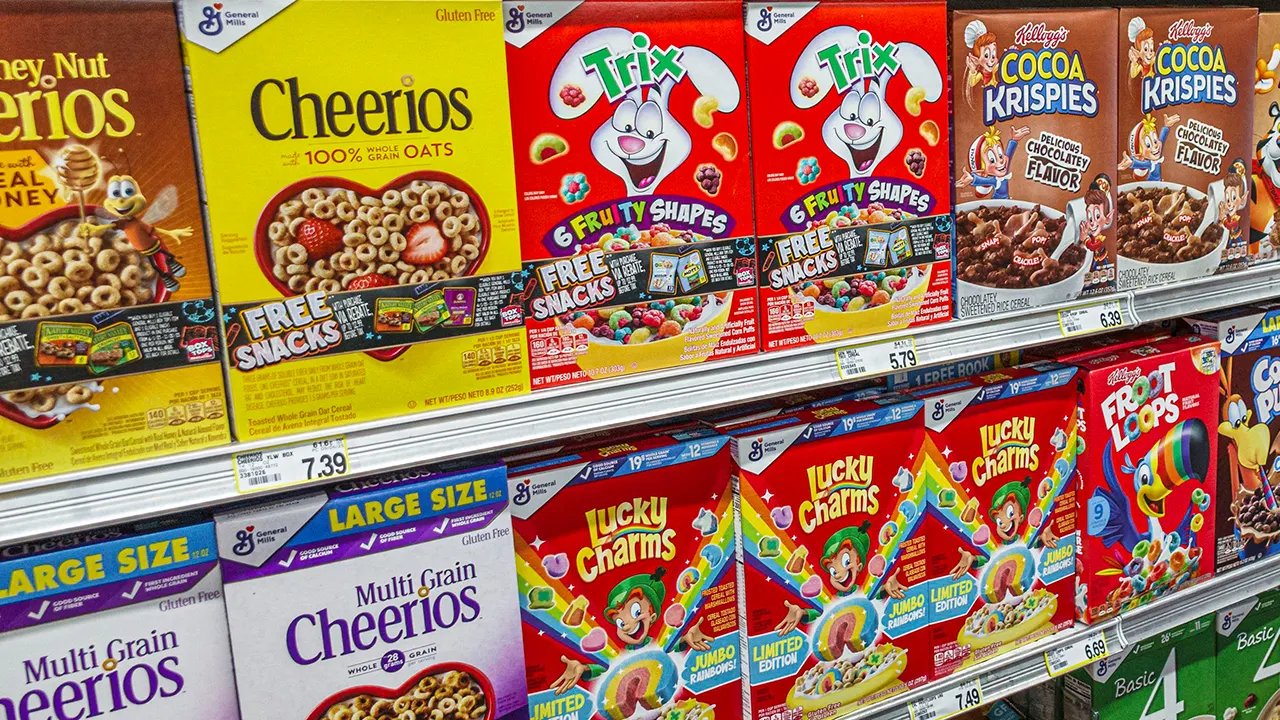
In a significant shift for the American breakfast aisle, food-manufacturing giant General Mills has officially announced that every one of its U.S. cereal offerings is now produced without the use of “certified colors.”
The move marks a major milestone in the company’s long-term sustainability and health initiative. General Mills, which produces iconic brands like Lucky Charms and Trix, confirmed that 90% of its total U.S. retail portfolio has now successfully transitioned away from these synthetic additives. The company has pledged to eliminate all certified colors—also known as synthetic color additives—from its remaining U.S. products, including fruit snacks and various baking goods, by the end of 2027.
A History of Navigating Consumer Preference
This latest push toward cleaner ingredient lists is not the company’s first attempt to move away from artificial additives. In 2016, General Mills launched a high-profile effort to remove artificial flavors and colors from its entire cereal line, promising a new generation of products free from high fructose corn syrup and synthetic dyes.
However, the transition was not without challenges. Following the reformulation of Trix, the company faced a vocal outcry from consumers who missed the vibrant, nostalgic appearance of the original product. By 2017, the company pivoted, reintroducing “Classic Trix” as an alternative alongside the new, natural-color version to satisfy fans who desired the traditional aesthetic.
At the time, then-General Mills spokesperson Mike Siemienas explained that the company listened to the feedback of thousands of customers who reached out via social media and email to request the return of the original recipe. The dual-offering approach served as a compromise, allowing consumers to choose between the brand’s natural evolution and its nostalgic roots.
A Broader Strategy
Today’s announcement suggests that General Mills has achieved a level of innovation that satisfies both regulatory expectations and consumer demand for cleaner labels. By successfully reformulating its entire cereal portfolio, the company is signaling that the industry at large is moving toward more natural product development.
As the manufacturer looks ahead, the pressure remains on the company to maintain its reputation while navigating a changing economic landscape. Beyond ingredient reformulations, the company has recently contended with external market pressures, such as shifting consumer spending habits driven by the rising cost of living and housing expenses, as well as operational hurdles, such as recent recalls involving its popular Pillsbury brand.
As part of its broader General Mills initiative, the company continues to manage a massive portfolio of household names, including Betty Crocker and Pillsbury, as it works toward its 2027 goal of removing synthetic additives from every shelf-stable item it sells in the United States.