







TRIGGER WARNING: This article includes references to sexual abuse.
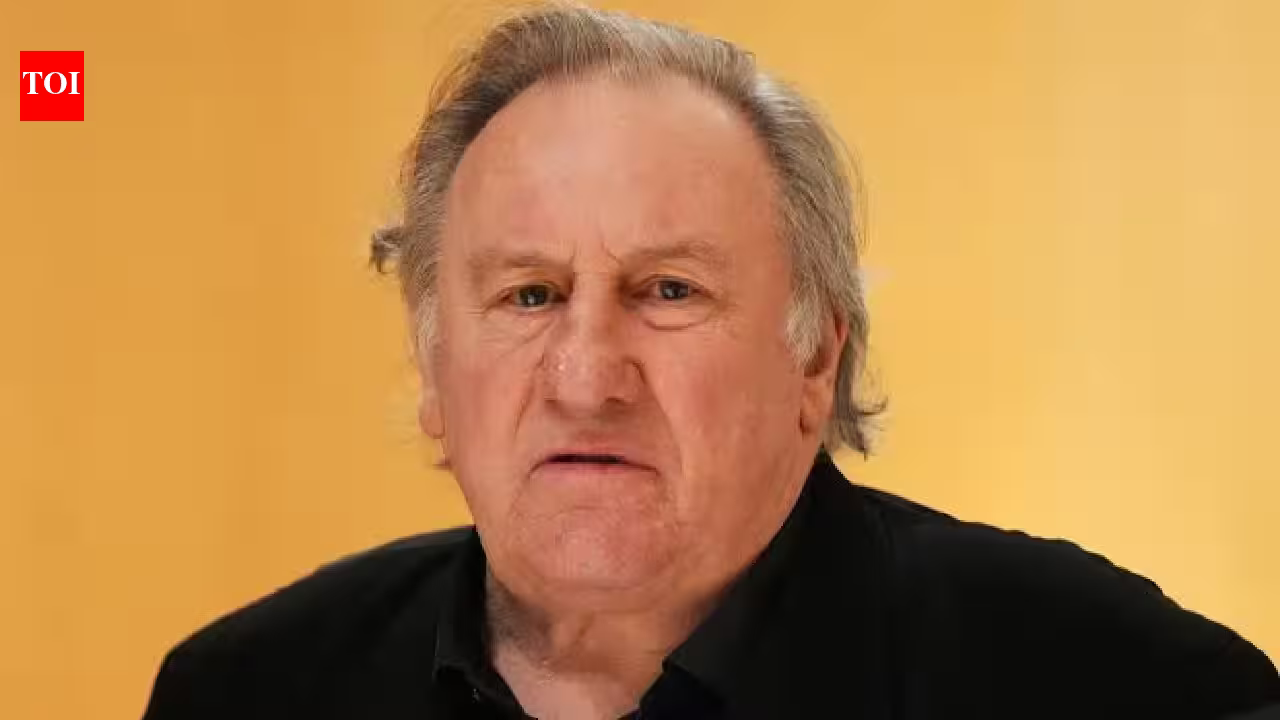
The French film industry, often characterized by its legendary icons and unwavering artistic devotion, finds itself at a somber crossroads this week. For decades, Gérard Depardieu stood as the face of French cinema—a monumental talent whose physical presence and raw intensity commanded screens across the globe. Yet, as of this past Monday, the narrative surrounding the 77-year-old icon has shifted from cinematic triumph to legal reckoning. In a move that surprised many observers, Depardieu has officially withdrawn his appeal against a sexual assault conviction, choosing instead to accept an 18-month suspended sentence.
This decision, coming on the very morning his appeal was set to commence in a Paris courtroom, marks a rare moment of capitulation for an actor whose career has been defined by defiance. By dropping the challenge, Depardieu has effectively closed one of the most high-profile chapters of his legal struggles, but the reverberations of the case will undoubtedly be felt long after the courtroom doors have swung shut.
A Reckoning on the Set of ‘Les Volets Verts’
The charges at the heart of this conviction stem from the 2021 production of the film Les Volets Verts (The Green Shutters). The allegations, brought forward by a 54-year-old set decorator and a 34-year-old assistant, painted a harrowing picture of a working environment where power dynamics were weaponized to dehumanize those behind the scenes.
In May 2025, the court found the veteran actor guilty of sexual assault, sentencing him to 18 months of suspended prison time. Furthermore, the court mandated that Depardieu pay a total of 29,040 euros in fines and compensation to his accusers. Perhaps most damningly, the ruling required that his name be entered into France’s national sex offender database—a permanent stain on a man who once carried the banner of French culture. For the victims, the verdict was a hard-won validation; for the industry, it served as a stark, unavoidable reminder that the “old guard” of cinema is no longer shielded from the reality of its own behavior.
Moving from Defiance to Apology
The transition from the initial trial to this week’s withdrawal is striking. During the initial legal proceedings, Depardieu’s strategy was largely one of denial. He admitted to the use of crude language and, at one point, conceded to grabbing the hips of a staff member during an argument, but he categorically rejected the classification of his actions as sexual assault.
The statement issued on Monday, however, struck an entirely different chord. In a written admission, the actor offered his “deep and sincere apologies” to the women impacted by his conduct. He reflected on the atmosphere he fostered on his film sets, acknowledging that his penchant for “provocative language” and “crude humor” was not the harmless eccentricity he had long claimed it to be. Instead, he admitted to a devastating myopia: the belief that his status and his words would carry no weight and have no consequences. This shift from bluster to contrition marks a significant, albeit late, acknowledgment of the power structures that have allowed systemic abuse to fester in the creative arts for too long.
The Looming Shadow of Future Allegations
While this chapter is technically closed, the storm clouds surrounding Depardieu are far from dissipating. His legal team and his representatives are bracing for what may prove to be an even more difficult battle ahead. In 2018, actress Charlotte Arnould leveled accusations of rape against the actor, alleging that he assaulted her at his private residence.
That case, which has lingered in the public consciousness for years, reached a critical junction in August 2025 when an investigating judge recommended that it proceed to a full trial. An appellate court in Paris is now tasked with making the final determination on whether the evidence warrants a criminal trial. Given the current climate and the precedent set by his conviction regarding the Les Volets Verts production, the pressure on the French legal system to ensure accountability is immense. Should the Arnould case go to trial, it would represent a monumental escalation in the legal peril facing one of France’s most storied performers.
A Legacy in Permanent Flux
Gérard Depardieu has been a titan of the silver screen for over fifty years. From his breakout roles in the 1970s to his international acclaim, he has embodied the messy, passionate spirit of French cinema. Yet, we are currently witnessing the messy, painful deconstruction of that legacy.
In the wake of the #MeToo movement, the global film industry has been forced to interrogate the toxic masculinity that often hid behind the guise of “artistic temperament.” Depardieu’s case is arguably the most significant test of that interrogation in France. When an icon falls, the industry is forced to decide how to reconcile the art with the person. As the legal dust settles, the conversation in Paris isn’t just about one man’s criminal record—it is about the future of film sets, the safety of crew members, and the long-overdue end of a culture that prioritized the whims of a star over the fundamental rights of his colleagues.
The apology, the suspended sentence, and the looming trial don’t just signal the end of a career; they signal the end of an era of impunity. Whether this leads to genuine systemic change or remains a isolated moment of accountability remains to be seen, but one thing is clear: the industry can no longer look away.
DISCLAIMER: If you or someone you know is experiencing domestic violence, assault, or abuse, please seek immediate help. Reach out to a mental health specialist, NGO, or trusted individual. Several helplines are available to offer assistance.
Disclaimer: This content is auto-generated for informational purposes only.
Source: Read Original News