






The Evolution of a Franchise: Introducing RuneScape 4
At RuneFest 2026, Jagex surprised its global community by officially confirming the existence of a fourth installment in the venerable RuneScape franchise. Currently operating under the working title RS4, this upcoming entry represents a significant technical leap for the developer. As the first numbered successor since the launch of RuneScape 3 in 2013, the announcement signals a new chapter for a studio that has defined the MMORPG genre for over two decades.
The project is currently in the early stages of production, with Jagex establishing a dedicated internal team to oversee its development. While the studio has yet to disclose specific hardware targets or confirm definitive release windows, they have indicated that the game is still several years away from completion. Despite the long timeline, the announcement serves as a strategic roadmap for the brand, confirming that Gielinor’s lore will continue to expand in a high-fidelity environment.
From Survival Expansion to Full-Scale MMO
Perhaps the most fascinating aspect of RS4 is its origin story. The project did not begin as an independent title, but rather as a planned expansion for RuneScape: Dragonwilds, the upcoming Unreal Engine 5 survival game from Jagex. During the testing phases for Dragonwilds, developers observed a consistent trend: playtesters were gravitating toward the dense, world-building elements and requested a traditional MMORPG framework that utilized the mechanics and setting of the survival title.
What was originally intended to be a 2027 content drop for a survival game expanded in scope until it became a standalone project. By shifting the focus to a persistent, massively multiplayer architecture, Jagex effectively repurposed the technical groundwork laid for Dragonwilds. The narrative of RS4 will take place in the Ashenfall region, picking up chronologically several years after the events of the Dragonwilds timeline. This interconnectedness suggests a long-term plan to unify various RuneScape titles under a shared geographical and historical identity.
Harnessing the Power of Unreal Engine
A cornerstone of the RS4 announcement is the transition to Unreal Engine. While Jagex has kept the specific version of the engine under wraps, the industry consensus and the connection to Dragonwilds strongly imply the use of Unreal Engine 5. This shift represents a departure from the proprietary engines that have powered RuneScape 3 and Old School RuneScape, which were largely based on legacy codebases modified over time to meet modern requirements.
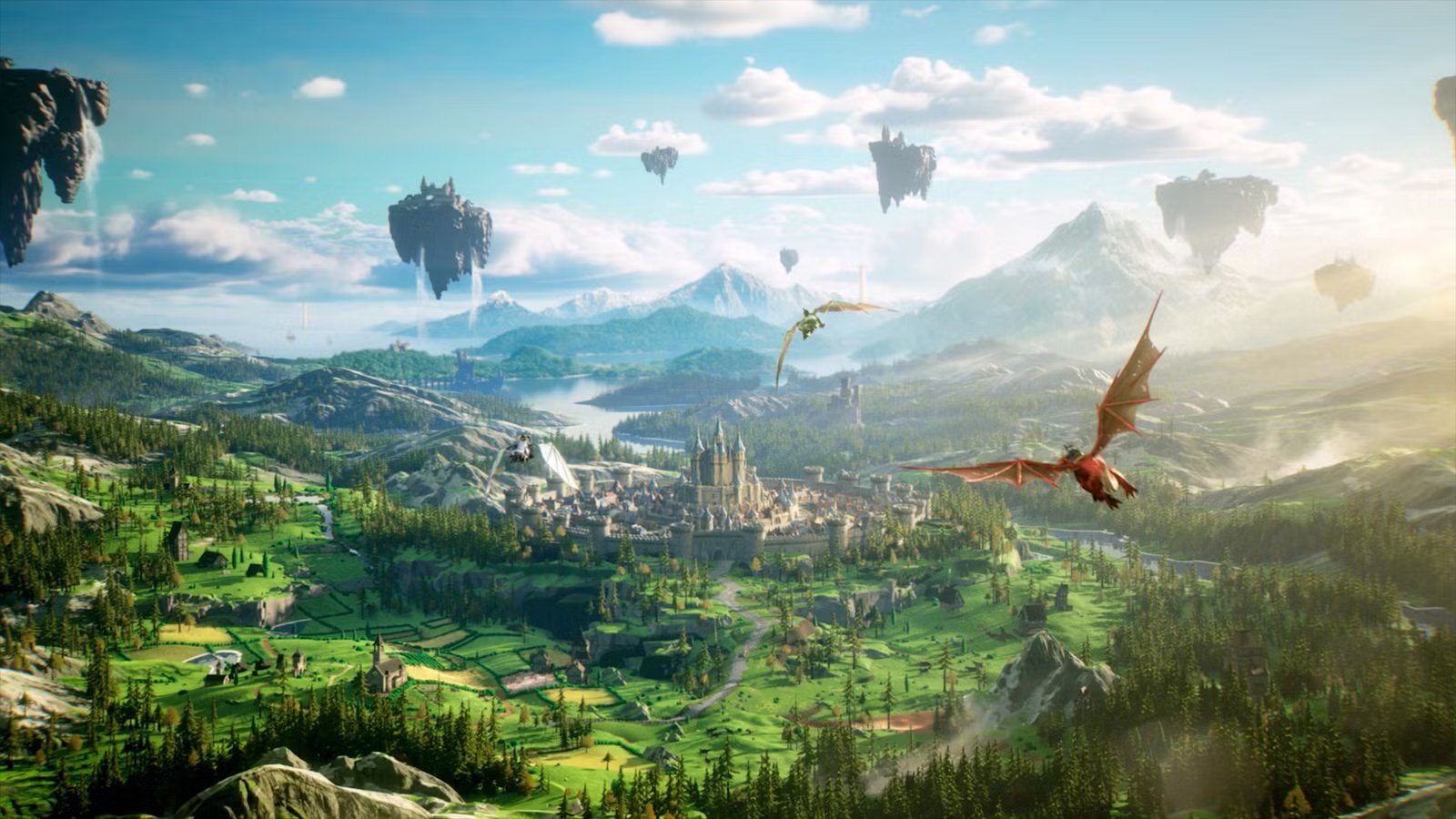
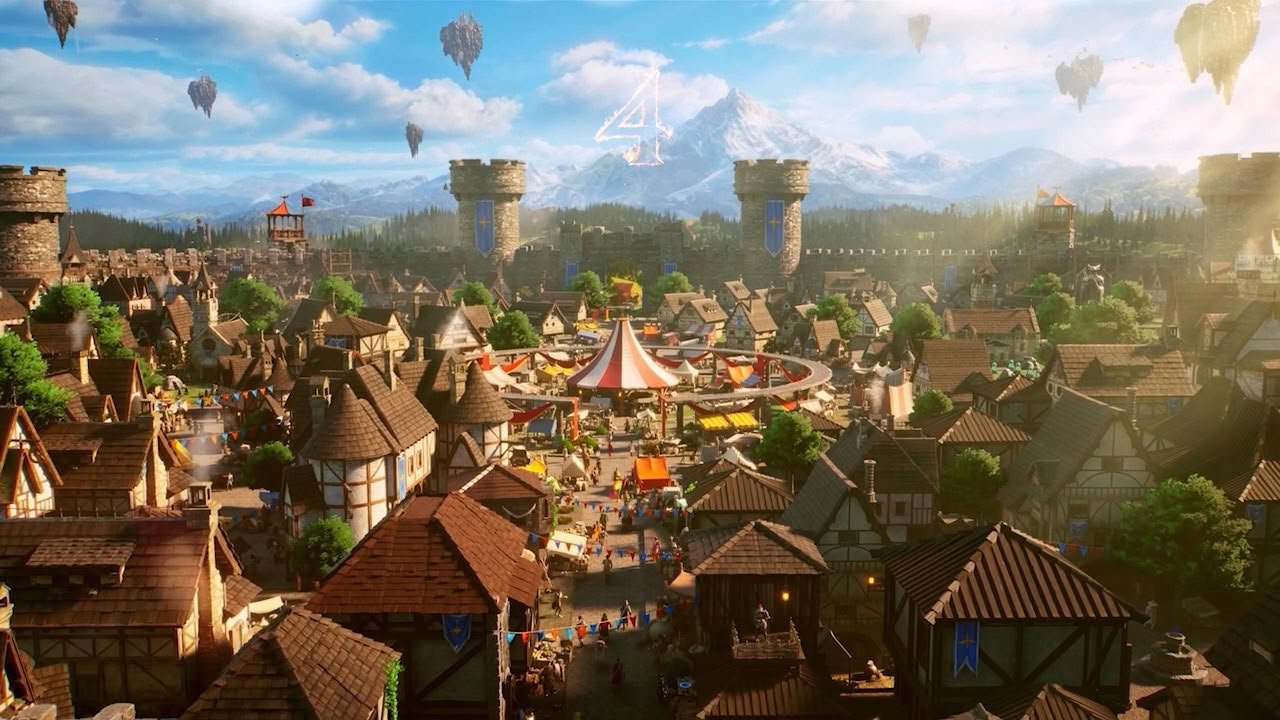
The CGI teaser revealed at RuneFest provides a glimpse into the visual direction of the project. It showcases lush, green valleys, floating geographical formations, and high-stakes combat featuring a complex three-headed dragon. Moving to a modern, industry-standard engine allows Jagex to implement advanced lighting, physics-based rendering, and sophisticated animation rigs that were previously impossible within the studio’s legacy infrastructure. This transition aims to modernize the aesthetic of the RuneScape universe, offering higher fidelity without losing the core artistic identity that fans expect from the series.
Strategic Multi-Platform Coexistence
Jagex has confirmed a vital piece of information regarding the future of its current offerings: RuneScape 3, Old School RuneScape, and the upcoming Dragonwilds will all continue to receive updates and remain fully operational alongside RS4. This multi-game strategy allows the studio to cater to different segments of its player base simultaneously. Old School RuneScape maintains the classic, tick-based mechanics preferred by veteran players, while RuneScape 3 continues to serve the modern, quest-heavy, and high-fidelity crowd.
The addition of RS4 introduces a third pillar, focused on contemporary technical standards and a refined, modernized take on the MMO loop. By keeping these titles separate, Jagex avoids the risk of alienating existing communities. Instead, they are positioning their portfolio to cover the entire spectrum of RPG gameplay, from the survival-centric mechanics of Dragonwilds to the large-scale, traditional cooperative environments that define the numbered RuneScape titles.
The Long Road to Launch
Despite the excitement surrounding the reveal, the studio is tempering expectations regarding a near-term release. Because the team is currently in the early stages of development, many core features—including monetization models, cross-progression systems, and platform availability—remain undefined. The lack of concrete details is a deliberate move, as Jagex intends to iterate on the foundational work built during the Dragonwilds expansion phase.
For the community, the wait for RS4 will likely involve significant speculation regarding how the game will handle account data. A common question among the player base concerns whether progress from RuneScape 3 will carry over into this new title. Given the architectural differences between an older, custom engine and a modern Unreal environment, full character migration remains a technical hurdle, if not an impossibility. As the project matures over the next few years, the focus will remain on building a stable, engaging, and technically robust world that pays homage to the history of Ashenfall while introducing the next generation of RuneScape gameplay.
Disclaimer: This content is auto-generated for informational purposes only.
Source: Read Original News