






General Motors and Ford are pivoting toward two high-growth sectors—defense and energy storage—as they look to offset cooling vehicle sales and capitalize on massive shifts in the U.S. economy. Following a century of intense competition on the open road, the two automotive giants are now applying their manufacturing expertise to the battlefield and the electrical grid.
## Expanding Into the Energy Storage Market
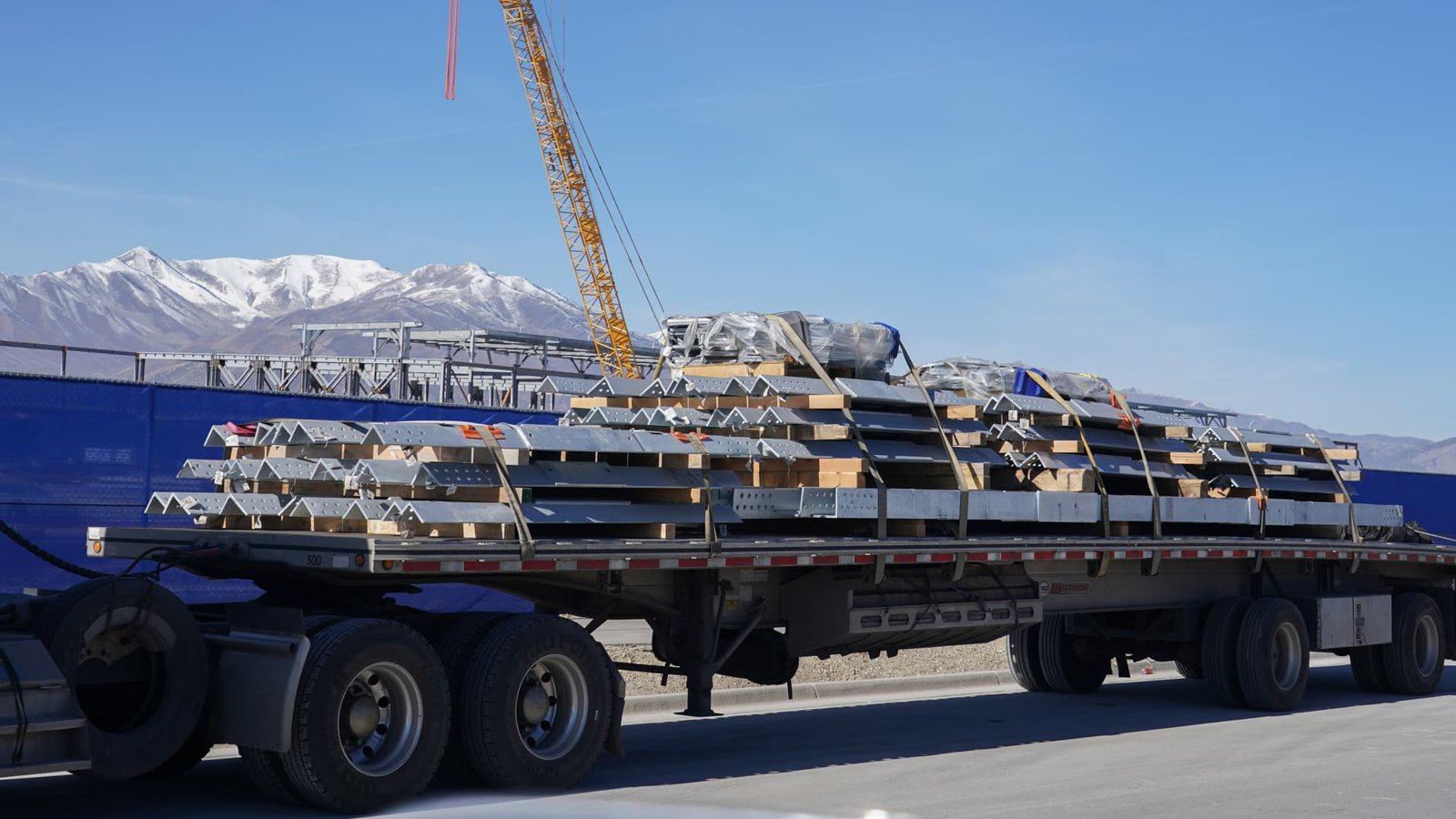
The global energy storage systems (ESS) sector is projected to undergo massive expansion over the next decade, with market valuations expected to climb from less than $1 trillion today to over $5 trillion by 2034. For automakers like Ford and GM, this transition offers a strategic way to utilize factory capacity that was initially earmarked for electric vehicles (EVs) that struggled to capture mass-market demand.
Ford is investing $2 billion into this transition, including the repurposing of a battery plant in Kentucky and the utilization of space in its Marshall, Michigan, facility to manufacture battery units for residential and utility-scale storage. Similarly, GM is exploring advanced battery technologies, such as sodium-ion cells developed with the startup Peak Energy, to improve grid-scale performance. Both companies view these systems as a way to power the growing demand for data centers, which require reliable, high-capacity energy solutions. By leveraging their existing battery-manufacturing supply chains, both companies are positioning their energy divisions to become critical components of the national infrastructure.
## A New Frontier in Defense Manufacturing
Beyond the energy sector, both automakers have renewed their focus on the U.S. defense industrial base. The move, encouraged by federal efforts to bolster domestic production, has allowed these companies to provide the military with advanced automotive engineering.
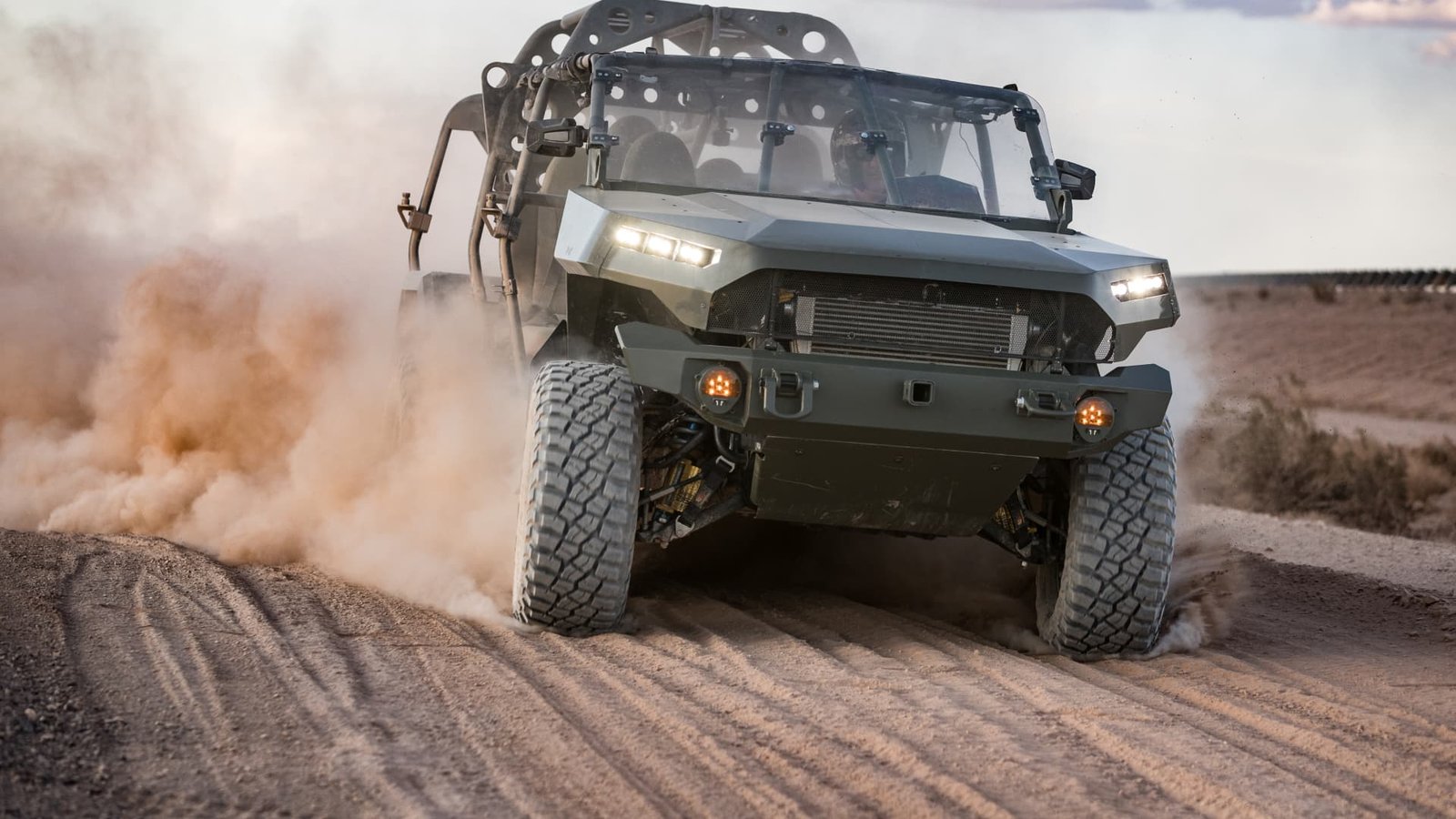
GM has held a significant head start in this arena, having reactivated its defense division in 2017. The company is already producing Infantry Squad Vehicles (ISVs) for the U.S. Army, a project with a contract potential exceeding $1 billion. GM’s defense revenue is expected to climb to $700 million in 2026 as the company continues to collaborate with aerospace giants like Lockheed Martin.
Ford is now following suit, stepping up its defense involvement to leverage its commercial mass-manufacturing scale. While details on its domestic contracts remain limited, the company is actively competing for international defense vehicle programs, including a partnership with General Dynamics Land Systems to bid for the United Kingdom’s light mobility vehicle projects.
## Diversification Amid Market Headwinds
Wall Street analysts note that these new ventures serve as important “verticals” that allow the companies to diversify away from traditional car sales, which have slowed significantly in the United States. While defense and energy storage are not expected to overtake vehicle sales in terms of total revenue in the near term, they provide a necessary cushion against the volatility of the automotive market.
Industry experts suggest that this shift is reminiscent of the “Arsenal of Democracy” era during World War II, when automakers pivoted their assembly lines to support military efforts. Today, however, the digital integration of these systems is paramount. Automakers are increasingly utilizing their data-driven insights and sophisticated supply chains to create products that are not just hardware, but integrated systems for modern, tech-heavy logistics.
By diversifying into defense and energy, Ford and GM are attempting to prove they are more than just legacy carmakers. Instead, they are transforming into diversified industrial technology companies capable of navigating the complex demands of 21st-century national security and energy independence.
Disclaimer: This content is auto-generated for informational purposes only.
Source: Read Original News