







The Dynamics of Dhanteras Consumption: Market Resilience and Strategic Shifts
The Indian festival of Dhanteras serves as a critical barometer for the health of the retail economy. Traditionally observed as an auspicious day for purchasing precious metals, automobiles, and home goods, this year’s celebrations underscored a profound shift in consumer behavior and market expectations. Despite volatility in commodity prices, the confluence of a price correction in gold and aggressive retail strategies translated into robust sales performance across various sectors.
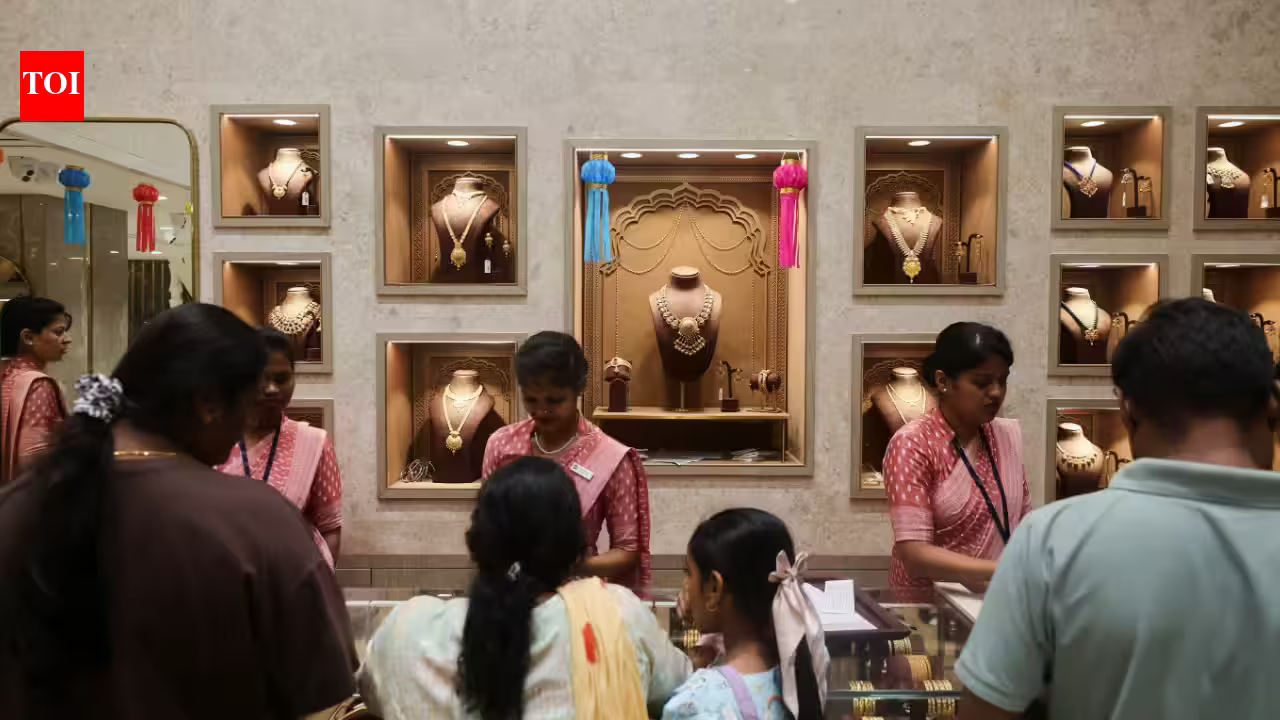
The jewellery sector, in particular, demonstrated significant elasticity. When market prices for gold witnessed a corrective dip, consumer hesitancy evaporated, leading to a surge in both footfall and transaction volume. This behavior confirms the entrenched role of gold as a foundational asset in the Indian household. Unlike speculative trading, retail buying on Dhanteras is deeply embedded in cultural tradition, where the acquisition of gold—whether in the form of coins, bars, or intricate jewellery—is viewed as a conduit for long-term prosperity.
The Evolution of Gold Retail: From Investment to Lifestyle
The modern Indian jewellery market is currently navigating a transition from heavy, traditional investment-grade pieces to versatile, lightweight, and fashion-forward designs. Industry leaders such as Senco Gold & Diamonds and Kalyan Jewellers have observed that while the desire for gold remains immutable, the form factor is changing. The demand for lighter pendants, chains, and everyday-wear jewellery suggests that consumers are integrating gold into their personal aesthetics rather than merely storing it in vaults.
Furthermore, the rise of lower-carat offerings, such as 9-carat gold and lab-grown diamonds, represents a strategic pivot to capture a broader demographic. By reducing the price barrier to entry, brands are attracting younger consumers who prioritize modern designs and frequent, smaller purchases over singular, high-value investment pieces. This democratisation of luxury is a significant development in the retail landscape, allowing established jewellers to maintain high volume growth even as raw material prices fluctuate. The participation of first-time buyers in tier-II and tier-III cities further highlights the expansion of the organized retail footprint across the country.
Digital Transformation and the Speed of Retail
Perhaps the most disruptive trend observed during this year’s festive season is the integration of quick commerce into traditional buying patterns. The transition from physical showroom reliance to digital platforms for purchasing gold coins and small bars has been swift. Platforms like Flipkart and Bigbasket have successfully tapped into the latent demand for instant gratification, with quick commerce accounting for a significant majority of gold coin orders.
This development is not merely a convenience-based change; it signifies a structural change in how consumers view precious metal acquisition. The ability to purchase a one-gram gold coin via an app and have it delivered within minutes provides a seamless experience that traditional brick-and-mortar stores are now forced to complement with their own omnichannel strategies. As digital penetration grows in smaller cities, the growth rates observed—exceeding 40% in non-metropolitan areas—point toward a future where online-to-offline synergy becomes the gold standard for high-frequency retail sales.
Automotive Sector: Deliveries and Inventory Management
The automotive sector’s performance during Dhanteras provides an analytical insight into supply-side management and consumer demand in the high-ticket retail space. Carmakers like Maruti Suzuki, Hyundai, and Tata Motors have reported high delivery volumes, reflecting a sustained appetite for personal mobility. However, the data also reveals the complexities of inventory management. With manufacturers operating at near-full capacity and dealership stocks for popular SUV models reaching near-zero levels, the focus has shifted from inventory accumulation to logistical efficiency.
The reliance on festival-specific delivery scheduling is a strategic imperative for manufacturers. By bundling festive demand into the Dhanteras period, companies can clear existing inventory and prepare for the next cycle of product launches. The growth in deliveries, despite high interest rates and macroeconomic headwinds, reinforces the status of the Indian automotive market as one of the most resilient globally. The emphasis on high-teen growth projections for the fiscal year confirms that the current festive momentum is not a localized anomaly but part of a sustained demand cycle for premium and utility-oriented passenger vehicles.
Strategic Outlook for Post-Festive Retail
As the festive season draws to a close, the data from Dhanteras offers a clear roadmap for businesses. The core takeaway is that the Indian consumer remains price-sensitive but willing to engage with brands that provide both cultural relevance and tangible value. The success of the jewellery and automotive sectors was predicated on meeting the consumer exactly where they are—whether that is through a price correction that incentivizes buying or a supply chain that ensures timely delivery of a new vehicle.
Looking ahead, the integration of technology, from digital gold sales to the precise tracking of festive delivery logistics, will continue to define market competitiveness. Companies that have invested in localized retail strategies, particularly in tier-II and tier-III cities, have clearly outperformed those relying on a singular, metro-centric approach. The diversification of product offerings, such as the entry-level gold products, has successfully widened the total addressable market.
Ultimately, the performance of the economy during this period demonstrates that retail growth in India is driven by a unique blend of tradition and modernity. As the industry moves past the peak festive rush, the focus will likely shift toward sustaining this momentum through personalized loyalty programs and enhanced digital experiences. The ability to forecast demand cycles and manage inventory, as evidenced by the automotive sector’s robust festive output, will remain the primary differentiator between market leaders and those struggling to adapt to the changing retail environment. The Indian retail sector is proving that even in a volatile global climate, the domestic appetite for consumption remains a primary engine of economic growth.
Disclaimer: This content is auto-generated for informational purposes only.
Source: Read Original News