






The Mechanics of a Historical Market Rally
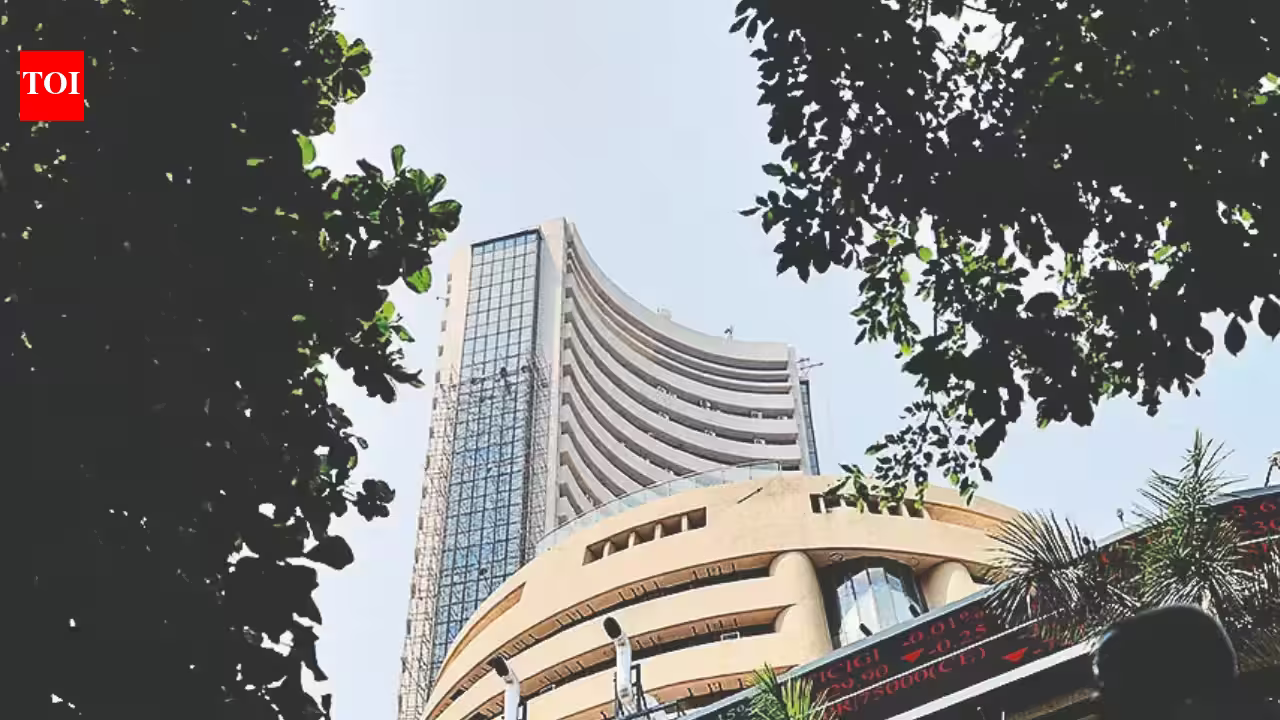
The Indian equity market recently concluded a period of extraordinary performance, characterized by a seven-session pre-Diwali rally that delivered a 10.6 percent gain for the Sensex. This surge, marking the best pre-festive run in 35 years, reflects a significant shift in investor sentiment. In a span of just one week, the Sensex added over 7,700 points, reclaiming the psychologically significant 80,000-point threshold, while the Nifty 50 comfortably crossed the 25,000-point mark. This performance is particularly noteworthy because it occurred despite global headwinds, including a sharp correction in United States equity markets and a notable decline in artificial intelligence-linked stocks.
The technical strength behind this rally stems from a renewed influx of liquidity. Data from the National Securities Depository Limited (NSDL) and the Bombay Stock Exchange (BSE) indicate that foreign portfolio investors (FPIs) injected approximately Rs 49,500 crore—roughly $5.2 billion—into Indian stocks on a net basis during this window. This sudden reversal in FPI behavior suggests that global institutional investors are increasingly viewing India as a defensive yet high-growth destination amidst geopolitical uncertainty.
Deciphering the Drivers of Foreign Capital Inflow
The resurgence of foreign capital into the Indian market is not an isolated event but a calculated response to specific macroeconomic developments. One of the primary drivers has been the expectation of policy stability following major geopolitical shifts, particularly the aftermath of United States elections. For global fund managers, policy predictability is the bedrock of emerging market investment. When markets perceive a lower risk of trade volatility or abrupt regulatory changes in key global economies, risk appetite tends to shift back toward high-growth markets like India.
Furthermore, the cooling of global energy prices has provided a substantial tailwind. Crude oil, which is a critical import for India and a significant determinant of the country’s current account deficit, witnessed a price correction of nearly 20 percent within a two-week period. As the threat of escalation in West Asia appeared to subside, the risk premium on oil dropped, easing fears of imported inflation for the Indian economy. Lower oil prices improve the fiscal position of the government and enhance the profit margins of corporate India, particularly in the manufacturing, logistics, and consumer goods sectors. When these macro-level benefits align with a favorable policy environment, the structural case for investing in Indian equities becomes difficult for global funds to ignore.
Decoupling from Global Volatility and AI Stagnation
Perhaps the most impressive aspect of this rally is the Indian market’s ability to decouple from international trends, most notably the turbulence in United States technology stocks. The recent rout in AI-focused equities abroad, which typically triggers a domino effect of selling in global markets, failed to dampen investor enthusiasm in Mumbai. This phenomenon points to a maturation of the Indian retail and institutional investor base.
Historically, the Indian market was highly sensitive to the Nasdaq and the performance of mega-cap technology firms. However, the current rally demonstrates that the domestic story—fueled by robust corporate earnings, a burgeoning middle class, and strong infrastructure spending—has become a powerful counter-narrative to global volatility. While the US market grappled with concerns over the sustainability of AI-related valuations, Indian investors focused on domestic fundamentals. The three consecutive sessions of four-figure point gains indicate a sustained buying conviction rather than a speculative bubble. This resilience suggests that Indian assets are increasingly regarded as an independent asset class rather than just a satellite of US market performance.
The Significance of the Pre-Diwali Sentiment
In the Indian business context, the period leading up to Diwali often carries historical weight as a window for portfolio rebalancing and new investment cycles. The festival is traditionally viewed as a time for wealth creation and financial planning, and this year, the market sentiment aligned perfectly with these cultural expectations. Beyond the symbolism, the timing of this rally is critical because it coincides with the second-quarter earnings season.
Investors have been closely monitoring corporate results to gauge the impact of domestic consumption patterns. Despite some concerns regarding rural demand and commodity costs, the broader market consensus remains optimistic about the resilience of the Indian corporate sector. The fact that the Sensex and Nifty touched these milestone levels just before the festive season provides a boost to consumer confidence. Higher market valuations often contribute to a wealth effect, where increased portfolio values encourage higher spending on durable goods and services, potentially creating a virtuous cycle for the broader economy during the peak festive consumption months.
Strategic Outlook and Market Sustainability
Looking ahead, the sustainability of these gains depends on whether the current inflow of FPI capital is tactical or structural. While the immediate drivers—lower oil prices and geopolitical stabilization—are positive, investors must remain cognizant of the valuations. The recovery in the Sensex above 80,000 suggests that a significant portion of expected growth may already be priced into the indices. Consequently, market participants should anticipate a period of consolidation as investors digest the recent gains and await further cues from the Reserve Bank of India (RBI) regarding interest rate policies and liquidity management.
Corporate performance will remain the primary determinant of future movement. If the upcoming quarters confirm that the growth trajectory of Indian firms is robust enough to justify current price-to-earnings multiples, the market is likely to maintain its current levels. Conversely, if earnings growth fails to meet the expectations set during this rally, volatility may return. However, the sheer volume of FPI interest witnessed in this period underscores that India remains a central pillar in the growth strategy of global institutional portfolios. As long as India continues to present a combination of policy continuity, manageable inflation, and strong domestic demand, the market is well-positioned to navigate future global corrections with the same resilience demonstrated during this historic seven-session run.
The recent rally is a testament to the depth of the Indian financial system. By successfully absorbing external shocks and channeling capital into key sectors, the market has proven its capacity to function as a primary engine for capital appreciation. For investors, the takeaway from this period is clear: structural growth narratives, when supported by positive macroeconomic shifts, provide a strong buffer against the volatility associated with speculative global asset bubbles.
Disclaimer: This content is auto-generated for informational purposes only.
Source: Read Original News