








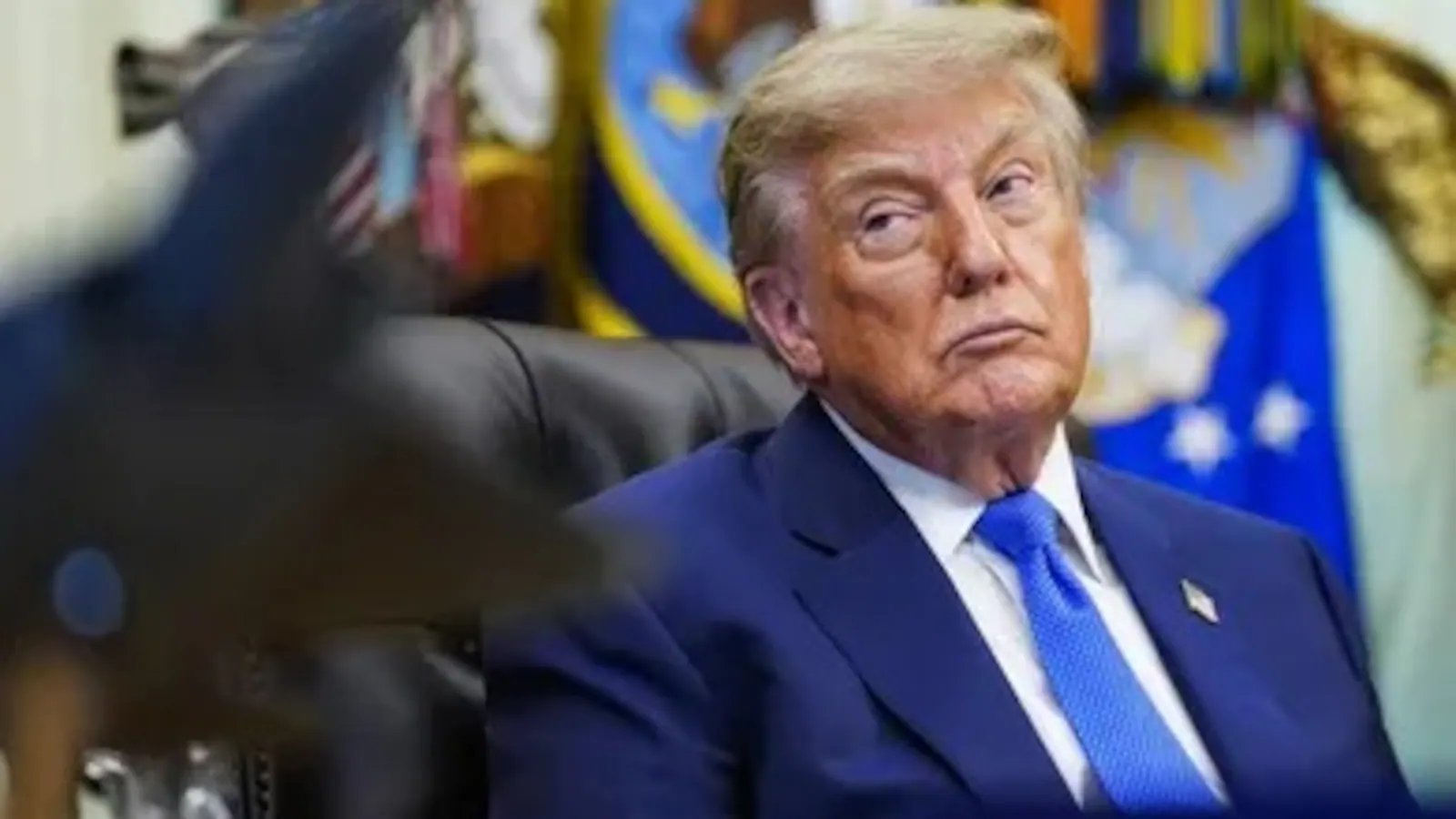
The Trump administration has identified over 40 global trade partners, including prominent economies like India, Canada, and the European Union, as potential contributors to a sophisticated “shadow trans-shipment network” designed to facilitate Chinese tariff evasion. The United States has declared its intention to deploy advanced artificial intelligence to detect and penalize these illicit trade practices.
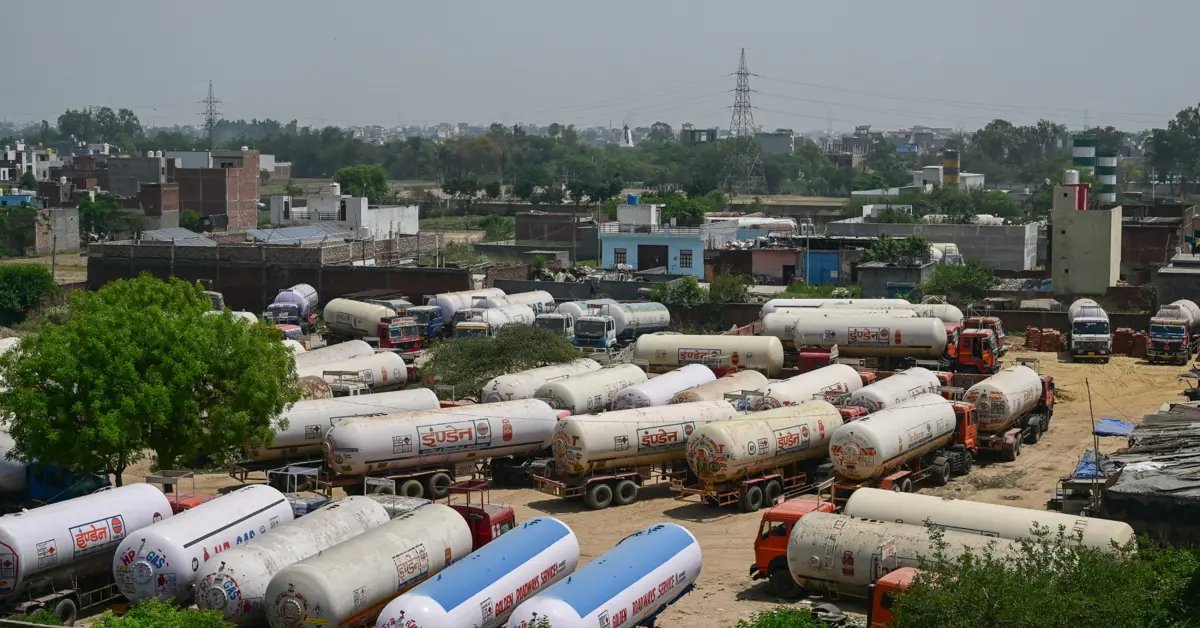
A detailed White House report, aptly titled ‘The Great Transshipment Scam,’ critically examined the persistent issue of illegal transshipment. This involves routing goods through a third country that is subject to lower US tariffs, thereby circumventing the higher levies imposed by the Trump administration. Beyond the initial list, other nations implicated in this report include Taiwan, Mexico, Japan, South Korea, and Vietnam.
According to Peter Navarro, then-President Donald Trump’s chief trade advisor, these transshipments became increasingly prevalent after 2018. This period coincided with the Trump administration’s imposition of Section 301 tariffs on China, a measure taken to counteract what it deemed “unfair trade practices.” Navarro asserted that for years, this “great transshipment scam” allowed Communist China to effectively “launder its exports” through a multitude of countries.
The report specifically highlighted that over 40 countries are associated with an elevated risk of illegal transshipment. For some of these economies, the risk of transshipment is intrinsically linked to broad, legitimate trade flows. Other nations were found to be more deeply integrated with China-linked supply chains. A third group possessed advantages such as preferential US market access, making them “attractive opportunistic targets” for rerouting Chinese goods.
Navarro further elaborated that China began exploiting these third countries for minimal processing, relabeling, repackaging, reinvoicing, or subtle changes in routing. These actions created the deceptive appearance of a new national origin, while the underlying Chinese content remained largely unaltered. By circumnavigating the tariffs, China and its state-supported manufacturers and trading firms were able to funnel goods into jurisdictions characterized by cheap labor, lax customs oversight, permissive free zones, or advantageous US trade access.
The report cited a specific example involving India’s Pune–Gujarat–Chennai production belt. This region, according to the report, absorbs Chinese pumps and compressors, impacting industrial supply chains in key American cities like Cincinnati, Dayton, and Columbus. Navarro underscored the economic impact, stating, “A Chinese pump that leaves Pune as Indian is a pump not machined in Cincinnati, Dayton or Columbus.” The report estimated the annual value of illegally transshipped goods to be anywhere between approximately $40 billion and $303 billion, depending on the methodologies and definitions employed.
To combat this widespread evasion, Navarro’s report outlined the White House’s collaborative efforts with US Customs and Border Protection. They are developing an AI-enabled “detective border” system designed to assess whether a shipment involves transshipped goods. This sophisticated system will leverage various data points, including shipment data, routing histories, and other analytical tools.
Experts have long observed significant supply chain diversions away from China, a trend that gained momentum during Trump’s first presidency when Washington and Beijing were embroiled in a tariffs war around 2018. Economists have noted that countries like Vietnam benefited considerably as businesses sought to diversify their supply chains. Since his return to the White House last year, Trump has continued to impose sweeping tariffs on US trading partners, compounding existing duties on Chinese imports, further intensifying the need to address the “great transshipment scam” and its extensive global network for Chinese tariff evasion.