









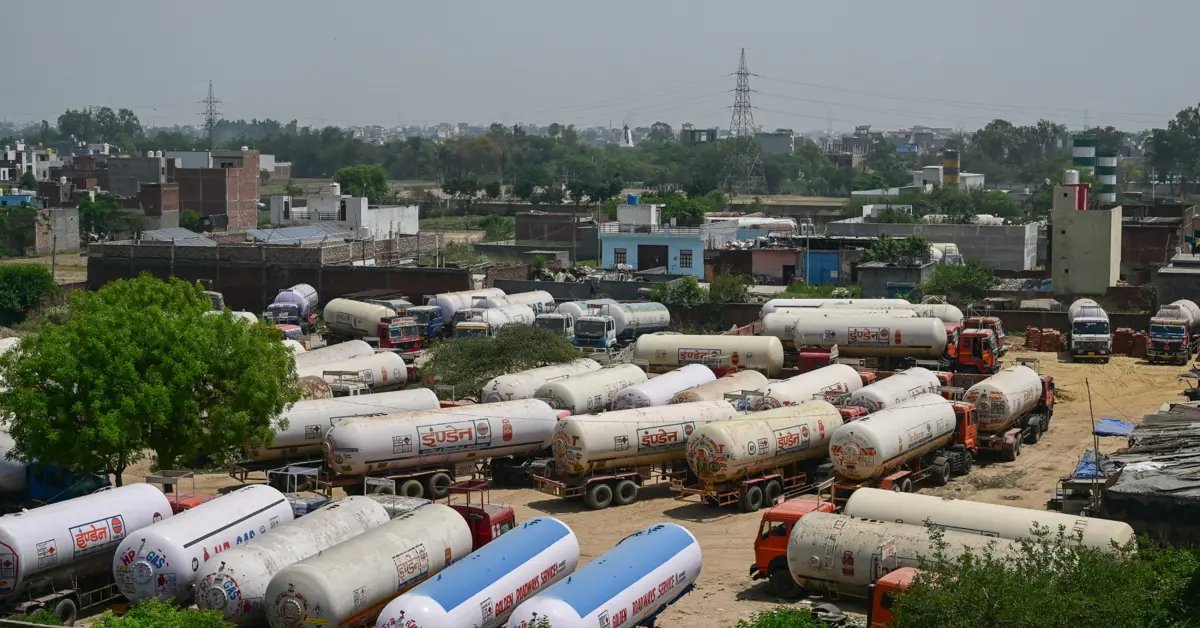
India is actively pursuing a strategic realignment of its liquefied petroleum gas (LPG) procurement, with state-owned refiners currently engaged in discussions to significantly increase their annual contractual imports from the United States for the upcoming year. This initiative marks a decisive step for the world’s largest consumer of cooking fuel to diversify its import portfolio.
Directives from the Indian government have mandated that major public sector undertakings, including Indian Oil Corporation, Bharat Petroleum Corporation, and Hindustan Petroleum Corporation, secure a minimum of 15% of India’s 2027 LPG imports through long-term contracts with US suppliers. This represents a substantial escalation from the approximately 2.2 million tons, or 10% of total inbound shipments, that the nation arranged its first ever US term supplies earlier this year. Executives from these three refining giants are reportedly on US soil, actively negotiating these critical LPG supply deals in private discussions, aiming to bolster India’s energy security.
This strategic pivot serves a dual purpose: expanding India’s pool of potential suppliers and simultaneously addressing the existing trade imbalance with the US, a key objective as New Delhi seeks to finalize a comprehensive trade agreement with Washington. The impetus behind this move is largely attributed to the urgent need to diminish reliance on the Middle East, which historically furnished over 90% of India’s LPG imports. Recent acute shortages, exacerbated by disruptions to flows through the Strait of Hormuz due to regional conflicts, underscored the vulnerabilities of this concentrated supply chain. The United States has already emerged as India’s leading supplier of this crucial oil product, with shipments reaching an unprecedented 3.9 million tons by August of this year.
In a concerted effort to streamline the procurement process, the state refiners are planning to jointly issue a tender for US LPG, following a thorough assessment of potential suppliers and their respective offers. While the Indian oil ministry and spokespersons for the involved companies have yet to publicly comment on these ongoing discussions, the trajectory is clear.
The push for increased energy exports to India has been a recurring theme in US trade policy, particularly under previous administrations, as India stands as one of the world’s largest importers of oil and gas. Despite prolonged negotiations since last year, a definitive trade deal between Washington and New Delhi remains elusive. Meanwhile, the unresolved impasse surrounding the Strait of Hormuz and the stalled US-Iran talks continue to pose a significant threat to India’s crucial cooking-gas supplies. Last month alone, LPG consumption experienced a notable decline of over 16% year-on-year, plummeting to 2.35 million tons. This reduction was a direct consequence of the supply shortages, compelling households and industries to resort to alternative, often more polluting, energy sources such as piped natural gas, biomass, and kerosene.