



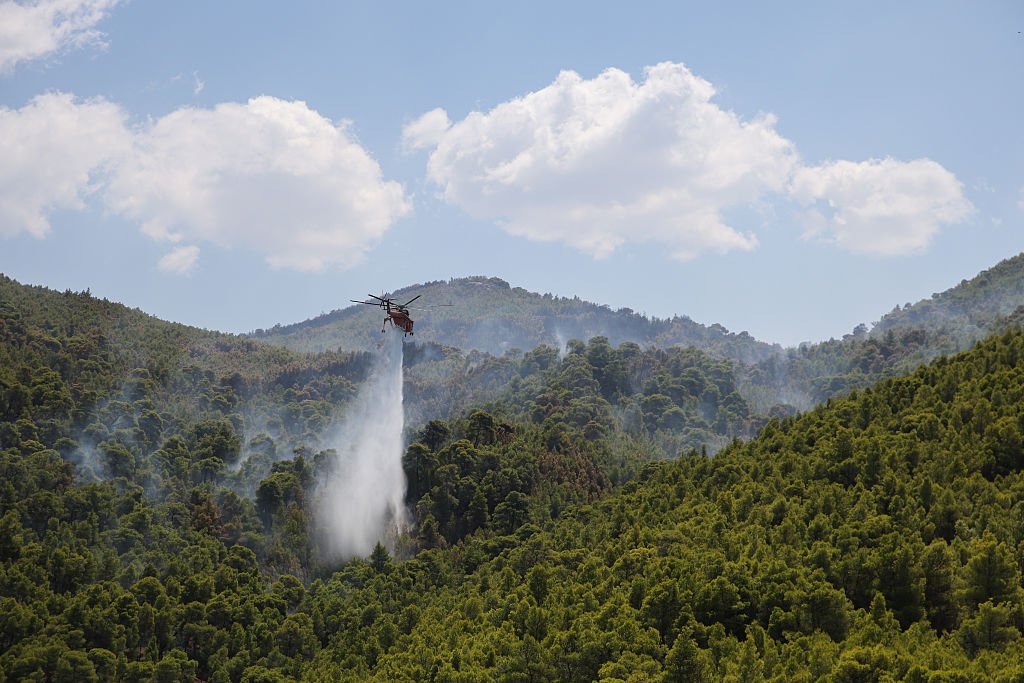
The figure has fallen since the Greek government toughened penalties.
Greece Witnesses Significant Drop in Arson-Related Wildfires Following Stricter Penalties
ATHENS, GREECE – A noticeable decline in the number of wildfires attributed to arson has been reported across Greece, following a concerted effort by the government to implement more stringent penalties for perpetrators. The move, aimed at combating the devastating impact of seasonal blazes, appears to be yielding positive results, offering a glimmer of hope to a nation frequently plagued by such environmental catastrophes.
For years, Greece has grappled with the dual threat of natural wildfires exacerbated by extreme heatwaves and, more disturbingly, a significant proportion of fires deliberately set. These acts of arson, often driven by motives ranging from land speculation to sheer negligence, have caused immense ecological damage, economic hardship, and tragic loss of life.
A Decisive Shift in Policy
Recognizing the urgency of the situation, the Greek government, spearheaded by the Ministry of Climate Crisis and Civil Protection, introduced a series of legislative amendments designed to toughen the legal framework surrounding arson. These reforms, which came into effect earlier this year, increased both the financial penalties and potential prison sentences for individuals found guilty of setting fires, whether intentionally or through gross negligence.
“We reached a critical juncture where the existing deterrents were simply not effective enough,” stated a spokesperson from the Ministry. “The toughening of penalties was a necessary step, sending a clear message that such destructive acts will no longer be tolerated and will be met with the full force of the law.”
While specific statistical data detailing the precise percentage drop in arson-related incidents is still being compiled and verified by official bodies, anecdotal evidence and preliminary reports from fire brigades across the country suggest a considerable improvement. Local authorities in regions historically prone to arson attacks, such as Attica, Peloponnese, and parts of the Aegean islands, have indicated a reduced frequency of suspicious outbreaks.
Beyond Penalties: A Multi-pronged Approach
Experts caution that while stricter penalties are a crucial component, they are part of a broader strategy. The decline in arson cases is also attributed to enhanced surveillance capabilities, including the deployment of drones and satellite monitoring, increased ground patrols in high-risk areas, and more effective public awareness campaigns. These campaigns aim to educate citizens on fire prevention and the severe consequences of negligent behavior, such as improper waste disposal or agricultural burning during dry periods.
Dr. Eleni Papadopoulou, a leading environmental criminologist at the University of Athens, commented, “The Greek government’s approach reflects an understanding that deterrence isn’t solely about punishment. It’s about a combination of increased risk of detection, certainty of consequence, and public engagement. When potential perpetrators perceive a higher chance of being caught and face severe repercussions, their calculus changes.”
Challenges Remain
Despite the encouraging trend, Greece continues to face formidable challenges in its fight against wildfires. Climate change remains a significant factor, with increasingly frequent and intense heatwaves creating tinderbox conditions across vast swathes of the country. Furthermore, while intentional arson may be decreasing, accidental fires due to human activity – such as sparks from agricultural machinery or carelessly discarded cigarettes – still pose a substantial threat.
The government’s long-term strategy includes further investment in fire-fighting infrastructure, reforestation efforts with fire-resistant species, and community-level preparedness programs. The success in curbing arson-related fires offers valuable lessons and underscores the importance of robust legal frameworks coupled with comprehensive preventative measures.
As Greece prepares for future fire seasons, the current data provides a cautious but optimistic outlook. The recent legislative changes demonstrate that a strong stance against environmental crime can indeed translate into tangible positive outcomes, protecting the nation’s precious natural heritage and its communities from the ravages of deliberate destruction.