








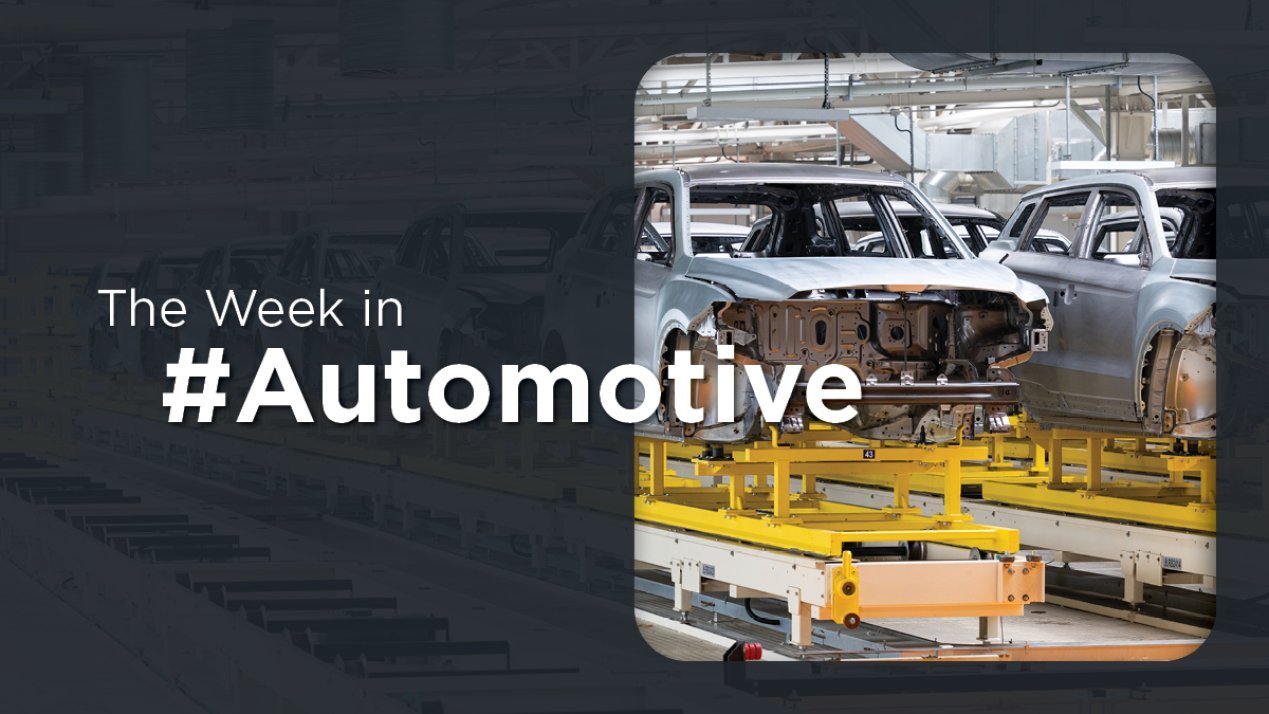
Mexico’s automotive sector is navigating a volatile period as a convergence of labor unrest, structural supply chain deficits, and shifting consumer preferences forces manufacturers to fundamentally rethink their operational strategies. With national transport strikes stalling critical transit corridors and an acute shortage of up to 90,000 heavy-duty truck drivers paralyzing logistics, the “just-in-time” model that underpins North American manufacturing is being pushed to its breaking point.
The Convergence of Labor Crises and Logistic Bottlenecks
The recent indefinite national strike led by the National Chamber of Freight Transport (CANACAR) has exposed significant vulnerabilities in Mexico’s logistical arteries. By targeting major routes near Mexico City and Guadalajara, as well as critical customs operations at ports like Manzanillo and Altamira, the protests have disrupted the flow of parts and finished vehicles. This instability is compounded by a massive labor gap; estimates from the International Road Transport Union and CANACAR highlight a shortfall of nearly 90,000 certified drivers.
To survive this “driver exodus,” transport fleets are being forced to aggressively overhaul pay structures and safety protocols. Simultaneously, the auto parts industry is lobbying federal authorities for urgent, technology-driven solutions at the border. The goal is to modernize customs protocols through digitalization, aiming to replace manual, friction-heavy processes with automated trade clearance systems that can withstand future disruptions.
AI Adoption: The New Standard for Operational Resilience
In response to these tightening pressures, industry leaders are increasingly turning to AI-driven analytics to maintain their competitive edge. Data is no longer a peripheral asset; it has become an “indispensable element” of the supply chain. Leading holding groups are leveraging AI models to process complex variables—such as real-time inventory transit, historical sales data, and dealer stock projections—to make rapid, high-stakes decisions.
These AI-powered diagnostics allow companies to navigate the stringent new On-Time Delivery (OTD) metrics enforced by Original Equipment Manufacturers (OEMs). As OEMs move to prioritize suppliers who can guarantee near-perfect logistical precision, companies that successfully integrate predictive AI into their planning cycles are securing their positions for long-term contract renewals. Furthermore, the use of telemetry and state-level data on fleet status has emerged as a crucial necessity. Industry observers warn that current tracking methods fail to distinguish between active, decommissioned, and under-maintenance vehicles, leading to inflated operational capacity figures that mask the true extent of the industry’s crisis.
Rebalancing the Showroom: Electrification and Leasing Shifts
While the manufacturing sector battles supply chain woes, the consumer market is undergoing a parallel transformation. A distinct shift is occurring away from pure internal combustion engines toward hybrid technologies, which currently dominate consumer appeal in Mexico. Dealers are responding by deploying granular, AI-enhanced regional allocation models to match inventory with local demand patterns.
This transition is being mirrored by a changing approach to vehicle ownership. The latest industry data reveals a surge in flexible fleet leasing, with a 24.4% year-over-year increase in new light vehicle acquisitions by leasing firms. As consumers and businesses alike pivot away from traditional ownership, the automotive landscape is becoming more service-oriented and digitally managed.
Looking ahead, the long-term future of the Mexican automotive industry remains tied to technological evolution. While projects like the domestic Olinia electric vehicle highlight the existence of local technical capacity, the industry’s survival depends on moving away from passive reliance on existing workflows. The integration of advanced coatings, sustainable production methods, and digitized supply chain monitoring suggests that the path forward for Mexican manufacturers is one of high-tech, data-reliant resilience. Success, it seems, will belong to those who can master the transition from being mere assembly points to becoming hubs of intelligent, automated manufacturing.
Disclaimer: This content is auto-generated for informational purposes only.
Source: Read Original News