









The Mechanics of Food Inflation in the Indian Context
The recent surge in headline retail inflation to 6.09 percent in October marks a significant transition in the Indian macroeconomic landscape. By breaching the Reserve Bank of India’s upper tolerance threshold of 6 percent, the current inflationary climate signals an end to the period of relative price stability that characterized the earlier months of the fiscal year. At the center of this movement is a broad-based escalation in the food basket, which surged to 8.9 percent. Unlike localized supply chain disruptions that typically resolve within a single harvest cycle, the current data from the National Statistical Office suggests a structural upward pressure across nearly 200 food items.
In the Indian market, food inflation acts as a primary determinant of household disposable income. Because a substantial portion of the average Indian family budget is allocated toward staples, the simultaneous rise in prices for rice, pulses, and vegetables creates a compounded effect. The trend is no longer confined to perishable goods that are traditionally volatile; it has expanded to include coarse grains like millets and jowar, as well as essential cooking mediums like refined, groundnut, and mustard oils. This suggests that the current inflationary spike is driven by a combination of climate-induced supply volatility, rising input costs for farmers, and potential bottlenecks in the distribution chain.
Impact on Consumer Behavior and Household Economics
The immediate consequence of this price escalation is the rapid erosion of real income for middle and lower-income households. When essentials—items that cannot be substituted—experience double-digit price increases, consumer sentiment shifts from discretionary spending to strict necessity-based budgeting. For instance, the drastic price swings in vegetables, such as a 116 percent rise in onion prices alongside significant hikes in garlic and ginger, force households to reorganize their monthly financial priorities.
This shift in spending patterns has a direct ripple effect on the broader economy. When a larger share of a household’s income is diverted toward basic sustenance, the demand for non-essential goods and services inevitably contracts. This creates a challenging environment for the fast-moving consumer goods (FMCG) sector and the retail industry at large. Companies must navigate a delicate balance between passing on increased raw material costs to the consumer and maintaining sales volume in a price-sensitive market. The data indicates that the inflationary pressure is not merely a transient fluctuation but a persistent challenge that is forcing consumers to adjust their purchasing frequency and volume across the entire food ledger.
Macroeconomic Consequences of Rising Service Costs
The inflationary surge is not restricted to raw commodities; it is increasingly permeating the service sector. The jump in restaurant and accommodation services inflation to 10 percent highlights how the rising cost of ingredients is being passed down to the consumer in the form of higher prices for cooked snacks and dining services. This reflects a trend where the costs of energy, logistics, and raw materials are embedded deeper into the value chain of the hospitality industry.
Furthermore, the escalation in transport costs, specifically the 43.2 percent surge in domestic airfares and the sustained inflation in petrol and diesel prices, adds a secondary layer of pressure. As logistics become more expensive, the cost of moving goods from farm gates to urban markets rises, creating a feedback loop that sustains high food prices. For the Indian economy, this represents a significant bottleneck. Higher transport costs directly affect the competitiveness of domestic products and complicate the efforts of the central bank to anchor inflation expectations. When both essential food and essential services see simultaneous price growth, the resulting cost-of-living squeeze restricts the overall velocity of money in the economy.
Climate Volatility and the Agriculture Supply Chain
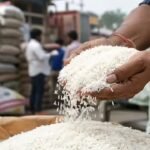
A critical insight from the recent NSO data is the inconsistency in agricultural output that has led to such extreme price variances. The surge in the price of staples like rice (12.5 percent) and various pulses like arhar and urad points to potential imbalances in supply versus demand. Indian agriculture remains heavily dependent on seasonal weather patterns, and recent years have shown that even minor variations in rainfall or temperature can lead to massive swings in harvest yields.
The rise in prices for protein-rich items such as buffalo meat and fish, coupled with the continued high cost of eggs and chicken, further underscores the input-cost pressure on the livestock and aquaculture sectors. When animal feed—often derived from coarse grains and oilseeds—increases in price, the cost of protein inevitably follows. To address these structural issues, the Indian market requires greater focus on cold chain infrastructure and storage modernization. Reducing post-harvest losses and ensuring that surplus production from bumper seasons is preserved could significantly dampen the volatility observed in the current indices. Without such systemic interventions, the Indian economy remains vulnerable to these recurring inflationary cycles that threaten both food security and economic stability.
Strategic Outlook for Policy and Industry
The move beyond the 6 percent red line set by the Reserve Bank of India places policymakers in a precarious position. Monetary policy, which typically relies on interest rate adjustments to manage inflation, may be insufficient on its own to tackle supply-driven food inflation. While raising rates may help control demand, it does little to address the supply-side deficits in the agriculture sector. Consequently, the government’s role in managing buffer stocks and trade policies becomes more critical than ever.
For businesses, the current climate demands a pivot toward operational efficiency and supply chain diversification. Firms that can secure long-term contracts for raw materials or invest in localized sourcing are better positioned to weather the volatility. There is also an urgent need for the private sector to collaborate with the agricultural ecosystem to improve yield consistency. As the cost of living continues to exert pressure on consumer demand, the businesses that succeed will be those that prioritize value-driven offerings and transparent pricing.
The path forward requires a synchronized effort between fiscal policy, which manages supply-side constraints, and monetary policy, which preserves the value of the currency. The October data acts as a clear warning that the current trajectory of food and service prices could dampen the broader growth narrative of the nation. Monitoring the evolution of these price indices over the next two quarters will be vital to determining whether this is a temporary cyclical peak or the start of a period of sustained, higher inflation. For stakeholders across the Indian business spectrum, the strategy must shift from expansion to resilience, focusing on cost containment and agility in the face of persistent macro headwinds.
Disclaimer: This content is auto-generated for informational purposes only.
Source: Read Original News