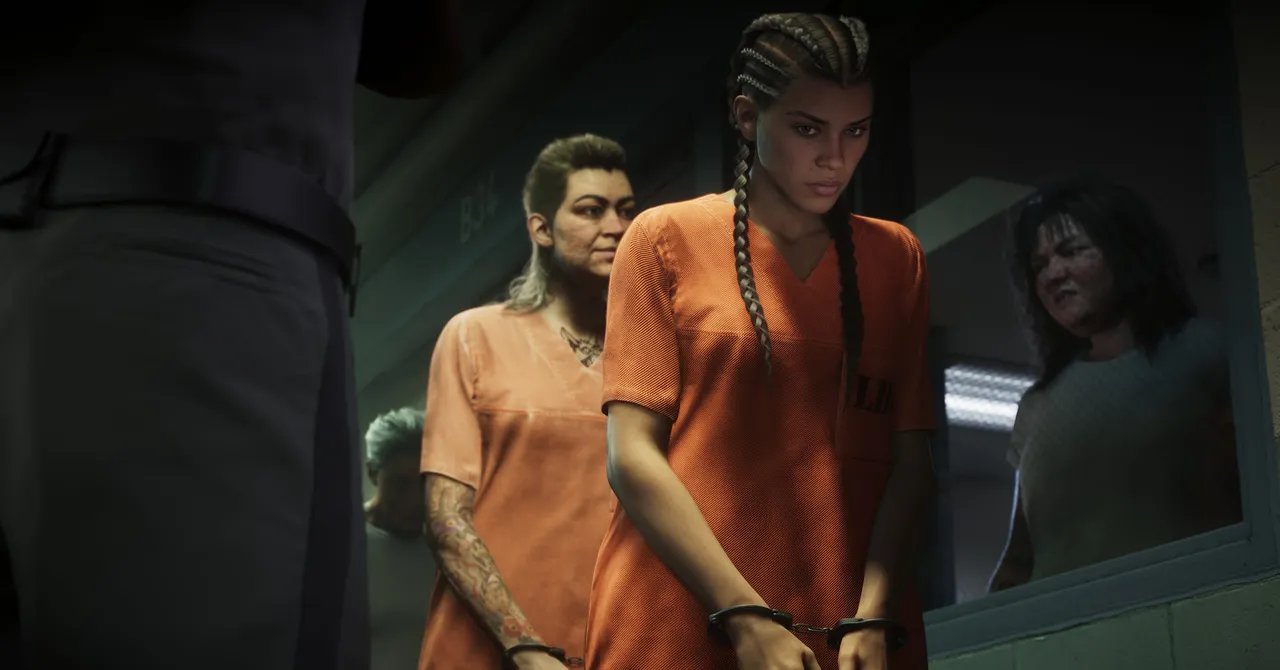








The Evolution of Satire in Grand Theft Auto VI
Rockstar Games has long utilized its Grand Theft Auto (GTA) franchise as a mirror to contemporary American culture, often relying on biting satire to underscore the absurdity of modern life. With the release of GTA VI, the developer has shifted its focus from poking fun at marginalized groups to targeting the burgeoning culture of online outrage and digital toxicity. The game’s iteration of Vice City functions as a sophisticated, reactive digital environment where the artificial intelligence governing non-player characters (NPCs) effectively mimics the rhetoric found within extremist online spaces.
The transition from the series’ previous focus to its current direction has created a noticeable friction. Players navigating the world are frequently confronted by NPCs spouting conspiracy-laden dialogue, political jargon, and aggressive slogans that echo the “manosphere” and radicalized online communities. This design choice serves as a commentary on the hyper-polarized discourse that permeates social media platforms. By embedding these behaviors directly into the game’s mechanics, Rockstar has forced a confrontation between the player and the reality of modern digital discourse.
Technical Realism and the New Gameplay Loop
Beyond the social commentary, GTA VI introduces a shift in core gameplay mechanics that emphasizes routine and sustainability over the frantic, purely destructive cycles of its predecessors. One of the most discussed features is the inclusion of mundane tasks, such as personal hygiene management and household responsibilities. While some segments of the gaming community have criticized these additions as tedious or unnecessary, they serve a specific function within the game’s internal logic.
These mechanics mirror the “slow gaming” philosophy found in titles like Red Dead Redemption 2, where the necessity of maintaining one’s character’s condition serves to deepen immersion. By integrating these systems into an urban setting, Rockstar forces a reevaluation of the player’s relationship with their virtual avatar. The inclusion of acts of service, such as supporting in-game relationships, challenges the traditional “power fantasy” model that has defined the series for decades. Instead of acting as an untouchable entity, the player is now tethered to a system that requires empathy, consistency, and maintenance, shifting the gameplay loop toward a more grounded, albeit unconventional, experience.
Addressing the Backlash from Online Personalities
The reception of GTA VI among certain online influencer circles has been marked by significant hostility, often driven by a misunderstanding of the game’s intent. Several figures known for promoting “looksmaxxing” or anti-woke activism have vocalized their disapproval, citing the perceived “mundane” requirements of the gameplay and the design of female characters as evidence of the developer’s shift in priorities.
Technical critiques have often been obfuscated by broader ideological conflicts. For instance, misinformation regarding restricted gameplay actions within certain, supposedly “prohibited” locations, has been debunked by developers and independent observers who noted that the mechanics remain consistent across all in-game environments. This phenomenon highlights a significant issue in the modern digital era: the propensity for audiences to project their own expectations onto software, resulting in a polarized reception that ignores the actual functional updates and technical improvements made by the development team.
The Impact of Narrative and Mechanical Parody
The narrative depth of GTA VI acts as a systematic critique of the very people who feel aggrieved by it. By positioning the “alpha male” archetype as a target of irony, the game creates a sandbox where toxic attitudes are rendered ineffective or laughable within the context of the game’s universe. This is a deliberate design strategy: the game is not merely a simulator of crime, but a simulator of current societal frustrations.
By forcing players to navigate a world that actively mocks their real-world belief systems, the game functions as a psychological test. For those accustomed to gaming as a purely escapist, ego-driven activity, the inclusion of these satirical elements—and the requirement to engage in domestic, character-driven tasks—creates a fundamental mismatch in expectations. The “bug zapper” effect, as described by critics of the far-right response, proves that the game has succeeded in its role as a mirror of contemporary cultural tensions, regardless of whether the players themselves appreciate the reflection.
Innovation Through Challenging Established Tropes
Rockstar’s departure from its historical treatment of marginalized groups signals a broader trend in high-budget gaming. By moving away from tropes that previously targeted specific populations, the studio has allowed its writers to focus on more universal, yet biting, subjects like cryptocurrency scams, digital alienation, and the fragmentation of truth.
This maturation of the franchise suggests that the future of AAA game development may lie in testing the boundaries of player patience. By asking players to consider the necessity of cooperation and personal care, GTA VI is attempting to subvert the “lone wolf” narrative that has been the industry standard for thirty years. Whether this evolution will be embraced by the broader gaming public remains to be seen, but the technical and narrative risks taken by the development team reflect a clear intent to elevate the franchise beyond the superficial violence that once defined it. The shift toward more human-centric, albeit satirical, storytelling represents a crucial milestone in how massive, commercially driven digital products can influence cultural dialogue.
Disclaimer: This content is auto-generated for informational purposes only.
Source: Read Original News